
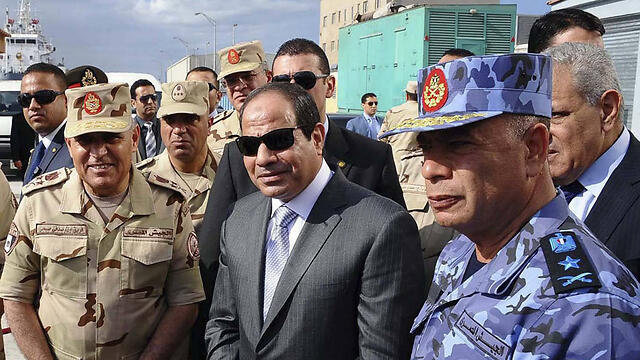
In recent developments, Egypt appears to be swiftly reestablishing its diplomatic relations with the new leadership in Syria, despite the latter’s connections to extremist elements. President Abdel Fattah el-Sisi’s decision seems driven by a desire to bolster Egypt’s economic and strategic interests, although critics argue that this move signals a troubling abandonment of principles under the guise of effective diplomacy.
Shifting Alliances in the Middle East
The political landscape in the Middle East is ever-changing, with alliances frequently shifting as nations respond to new challenges. For Egypt, rekindling ties with Syria taps into a complex web of regional dynamics, including the need for security cooperation and economic stabilization. This pivot also illustrates Egypt’s broader strategy to engage with various factions in the region, aiming to expand its influence while navigating the turbulent waters of Middle Eastern geopolitics.
Supporting this renewed relationship, Egypt seems to be seeking advantages in trade, security, and regional stability. However, the move raises ethical questions about associating with a regime that has been linked to jihadist elements. Critics warn that normalizing ties with Syria’s current leadership not only undermines the principles of democracy and human rights but also risks endorsing a dangerous ideology.
The Economic Factors at Play
Economic considerations are pivotal in Egypt’s decision to engage with Syria. With Egypt facing its own financial challenges, including high inflation and currency devaluation, aligning with Syria could open new avenues for trade and investment. Egypt’s leadership believes that by establishing stronger ties, it can facilitate infrastructure projects and trade agreements, ultimately benefiting its own troubled economy.
However, this approach is fraught with risks. Critics argue that aligning with a regime that has a history of human rights abuses could further isolate Egypt on the global stage. Instead of promoting democratic norms, Egypt may find itself entangled in a web of alliances that detract from its national interests and international standing.
The Implications for Regional Stability
By engaging with Syria, Egypt is also positioning itself as a player in the quest for regional stability. The complexities of Middle Eastern politics necessitate cooperation on various levels, including security and counter-terrorism efforts. While some view this alliance as a pragmatic move, others see it as a betrayal of the values that Egypt often purports to uphold.
The normalization of relations raises critical questions about the balance of power in the region. As Egypt extends its hand to Syria, it could be perceived as a signal to other nations that diplomatic relations, regardless of ideological differences, can flourish in pursuit of common economic or security goals.
In conclusion, while Egypt’s shift towards Syria may be economically motivated and strategically sound from a realistic standpoint, it is essential to critically assess the implications of such a relationship. Engaging with a regime known for its jihadist connections carries inherent risks that may overshadow any potential benefits. Time will tell if this decision truly serves Egypt’s long-term interests or if it is merely a façade masking a deeper strategic confusion.