
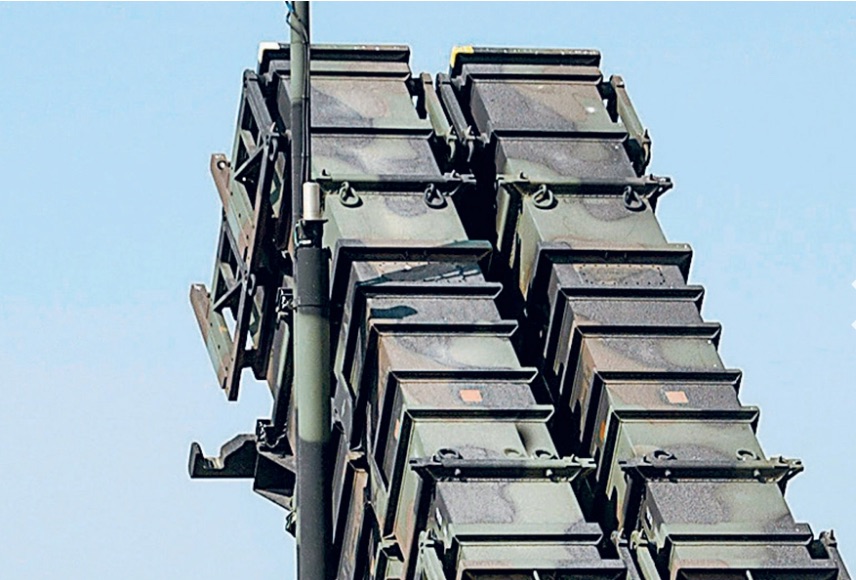
The geopolitical dynamics in the Eastern Mediterranean are rapidly evolving, particularly following the tensions in the Persian Gulf. As the situation stabilizes, Turkey is setting its sights on the Aegean Sea and Cyprus, concerned about Greece’s military postures in these regions. Turkish officials indicate that they are poised to challenge what they see as Greece’s opportunistic maneuvers during a period of unrest to enhance defenses along Turkey’s borders.
Turkey’s Response to Greek Military Actions
According to a senior Turkish diplomat, Ankara plans to demand a rollback of Greece’s military deployments in the Aegean and Cyprus once the Gulf conflict subsides. He emphasized that Turkey’s foreign affairs and defense ministries would focus their efforts on these critical areas. A significant aspect of Turkey’s grievance stems from Greece’s placement of Patriot air defense systems on Karpathos and in the Evros border region. Turkish officials insist these missile systems must be reverted to their previous positions prior to the Gulf tensions.
Furthermore, Ankara suspects that Athens is attempting to shift the current balance of power in the Aegean in its favor. However, the Turkish leadership is less troubled by Greece’s deployment of F-16 jets to Cyprus, partially due to Greece’s role as one of Cyprus’s guarantor powers. In contrast, Turkey believes it retains a considerable strategic advantage within the region.
Concerns About Foreign Military Presence
Adding to the tensions, Turkey expresses deep discontent over the significant military presence of France and Israel in Cyprus. A high-ranking official from Turkey’s ruling party warned that the ongoing cooperation between Israel and Greek entities on the island could ignite future conflicts. The official commented that Israel seeks to position the conflict in Cyprus due to perceived advantages in air and naval capabilities, which may not align with the complexities of engaging in Syria.
This critical official underscored that the situation surrounding Cyprus is pivotal for Turkey. He asserted that France’s involvement would likely provoke further Turkey’s responses. The ongoing developments present a challenging scenario for Turkish leadership as it navigates mounting foreign influence in a territory it considers significant for its regional aspirations.
Prospects for Resolution
There may be attempts to address the Cyprus dispute, reflecting the complexities present in Turkish and Turkish Cypriot relations. An experienced diplomat remarked that while dialogues might be initiated, the outcomes are uncertain. Should efforts to resolve the crisis lead to impasse, Ankara and Turkish Cypriot leaders might contemplate decisive actions regarding the future of the northern segment of Cyprus.
The diplomat also hinted at the potential for formally declaring the Turkish Republic of Northern Cyprus as part of Turkey, likening it to recognizing it as Turkey’s 82nd province. This contemplation contrasts sharply with Turkey’s restraint in the 1980s, clearly illustrating a shift in policy stemming from long-standing grievances. Turkish officials express a firm stance: they will no longer tolerate perceived disrespect or manipulations in the region.
As the entire dynamics in the Eastern Mediterranean continue to evolve, the situation remains complex and fraught with potential for escalation. Turkey’s emphasis on addressing its military posture will likely influence future interactions with Greece and other regional players in the coming months. The ongoing geopolitical chess game calls for keen observation, as both direct diplomatic discussions and possible conflicts loom on the horizon.