
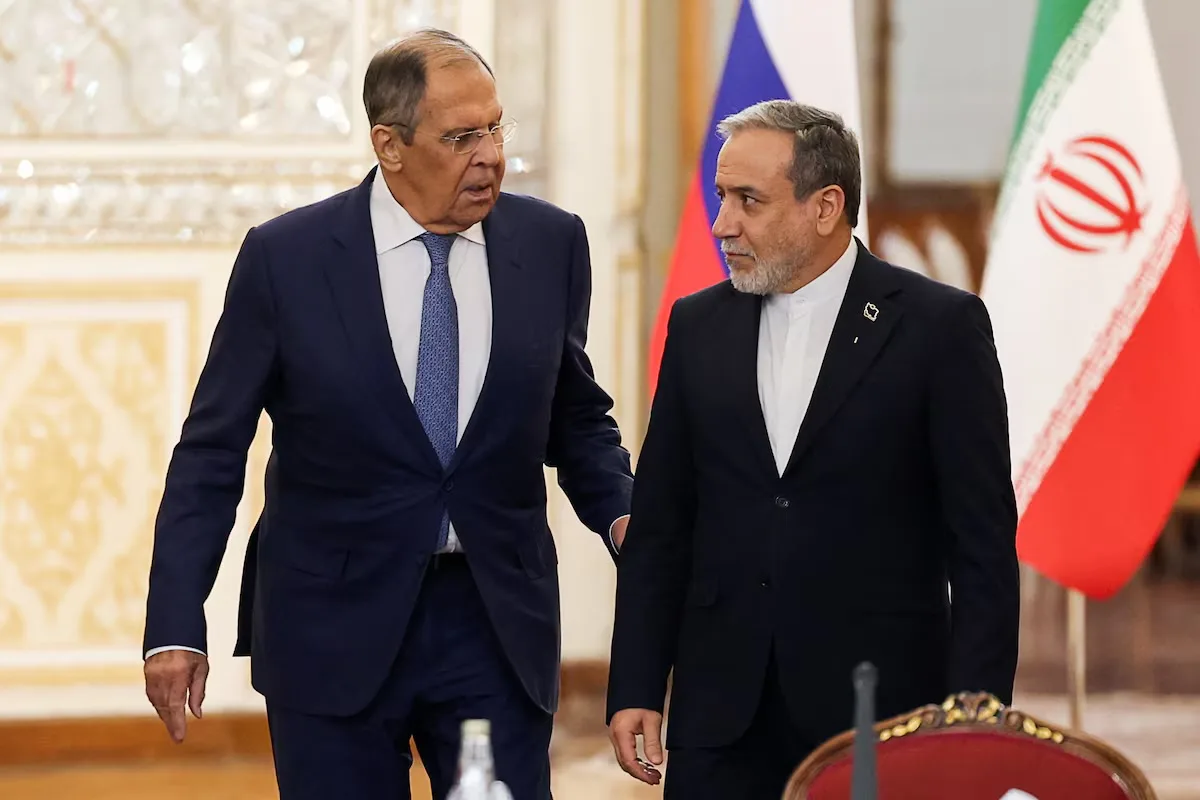
Iranian Foreign Minister Abbas Araqchi recently emphasized the need for diplomatic solutions to regional issues, attributing the rising insecurity and tensions in the Strait of Hormuz to U.S. actions. During a joint press conference with Russian Foreign Minister Sergei Lavrov, Araqchi articulated Iran’s position on cooperation among regional nations to foster a more stable environment.
The Role of Diplomacy in Regional Security
Araqchi underscored that diplomatic channels should be the primary means of resolving conflicts in the region. He criticized the U.S. for exacerbating tensions and contributing to an unstable atmosphere in the Strait of Hormuz, a critical waterway for global oil transportation. His remarks highlight the Iranian government’s commitment to pursuing dialogue rather than confrontation. This approach underlines the importance of collaboration among neighboring countries to create a peaceful coexistence.
Call for Joint Security Arrangements
Emphasizing the need for collective security, Araqchi urged regional powers to develop their own security frameworks. He stated, “We welcome any initiative that leads to security from within without the presence of foreign forces and consider it the right move.” This assertion reflects Iran’s desire to assert its sovereignty and diminish reliance on external military presence in the region. Such sentiments resonate with many nations that seek to reduce outside influence in their domestic concerns.
Russian-Iranian Cooperation
The partnership between Iran and Russia is significant in shaping regional dynamics. Both countries share a common interest in challenging U.S. influence and advocating for a multipolar world. The joint statement by Araqchi and Lavrov at the news briefing signifies a close diplomatic relationship that extends beyond mere cooperation; it symbolizes a shared vision for a stable Middle East. Their collective stance advocates for a reduction in foreign military presence, aiming to empower local entities to take responsibility for security.
Implications for Regional Stability
The call for diplomatic resolution and regional security arrangements has vital implications for Middle Eastern stability. Should these nations come together and foster cooperative strategies, it could lead to a more harmonious coexistence, which benefits not only Iran and its neighbors but also global economic stability, particularly considering the significance of the Strait of Hormuz in international trade. The initiative could diminish tensions and pave the way for constructive dialogue among all regional powers.
In summary, Abbas Araqchi’s remarks encapsulate a strong message on the importance of diplomacy and collective security in the Middle East. His shared vision with Russian Foreign Minister Sergei Lavrov serves as a call to action for regional countries to prioritize internal solutions over external interventions. As Iran and Russia work together, the potential for a more stable and harmonious region becomes increasingly attainable, opening doors to lasting peace and security.