
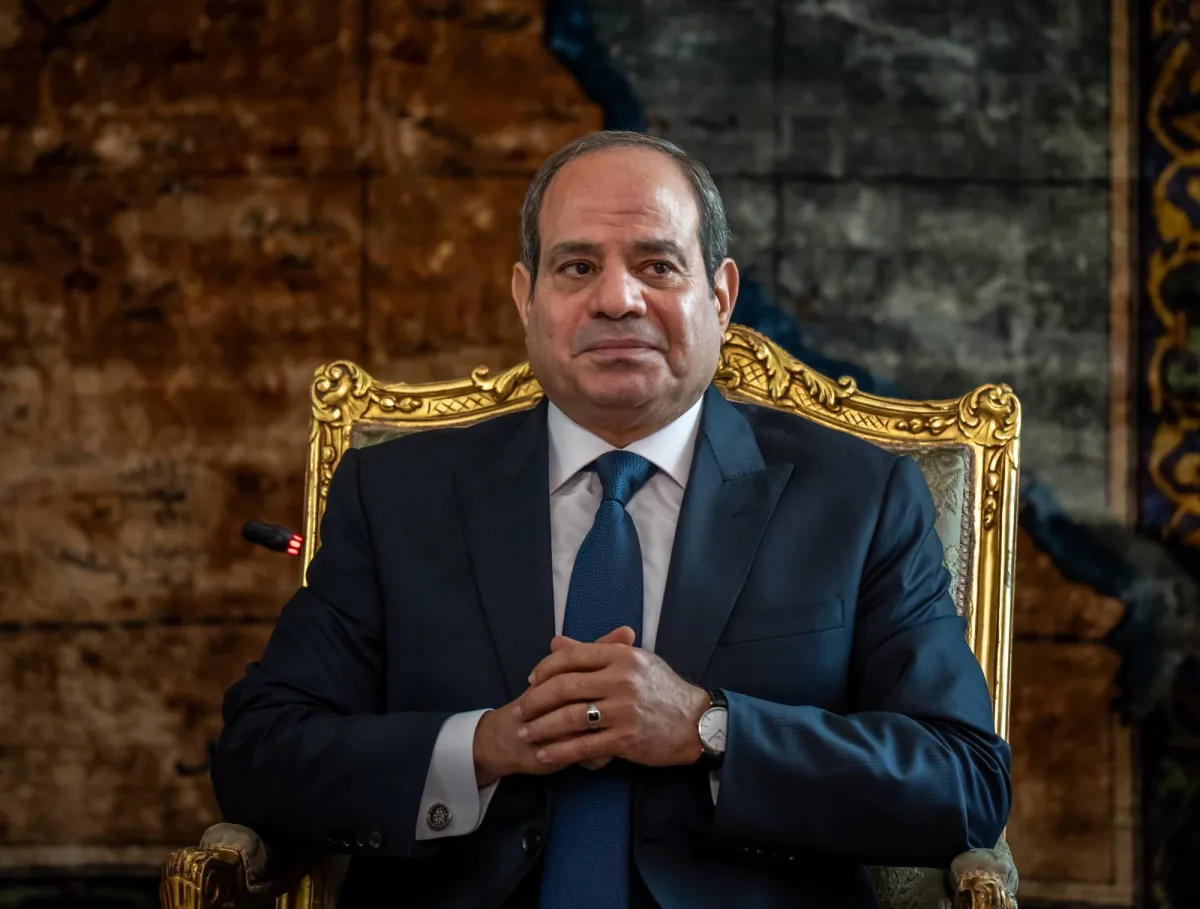
US Central Intelligence Agency Director John Ratcliffe’s recent visit to Cairo marks a significant moment amid escalating conflicts in the Middle East. Meeting with Egyptian President Abdel Fattah al-Sisi, Ratcliffe engaged in crucial discussions about regional tensions affecting various countries, emphasizing the need for stability and diplomatic solutions.
Meeting Highlights and Regional Implications
During the meeting, which also included Egypt’s intelligence chief, Hassan Rashad, Ratcliffe and Sisi examined a range of pressing issues impacting the Middle East. The ongoing wars in Iran, the Gaza Strip, and Sudan were key points of discussion, reflecting the complex landscape of conflict that poses threats to regional security. Additionally, the talks covered the increasing instances of attacks on countries in the Gulf and the associated risks to maritime security.
Sisi highlighted the necessity of resolving these crises through political and diplomatic means, reiterating Egypt’s commitment to fostering stability in the region. His office released a statement indicating that dialogue and negotiation are essential for achieving peace and mitigating the growing violence that has been observed in recent months.
US-Egypt Relations: A Strategic Partnership
The meeting underscores the deeper strategic partnership between the United States and Egypt, particularly in the context of regional security. Egypt has long been a key ally of the U.S. in the Middle East, serving as a critical mediator in various conflicts. With the Biden administration actively seeking to engage allies in the region, this meeting demonstrates the U.S. commitment to addressing shared concerns with its partners.
As tensions escalate in the Middle East, the U.S. is keen on collaborating with Egypt to stabilize the region. Both countries have a vested interest in ensuring safety and order, particularly in light of increasing hostilities. The partnership allows for coordination on intelligence sharing and potential joint efforts to counteract threats to nation-states and maritime routes vital for international trade.
The Broader Context of Middle Eastern Conflicts
The current climate in the Middle East is fraught with instability, requiring immediate attention from global powers. The ongoing wars in Iran and the Gaza Strip contribute to an environment of volatility, complicating humanitarian efforts and economic development. Additionally, Sudan’s challenges add another layer of complexity to the already intricate crisis web.
The conversations between Ratcliffe and Sisi serve as a reminder of the interconnected nature of these conflicts. As issues like terrorism and aggression from non-state actors loom large, the need for cohesive international response becomes critical. Both Egypt and the U.S. recognize that political solutions are vital, but the path forward will likely be fraught with challenges that require sustained diplomacy and negotiation efforts.
In conclusion, the recent dialogue between CIA Director John Ratcliffe and Egyptian President Abdel Fattah al-Sisi highlights the urgency for political solutions in an increasingly volatile regional landscape. Acknowledging the importance of their partnership, both nations are poised to work together to tackle the myriad threats facing the Middle East.