
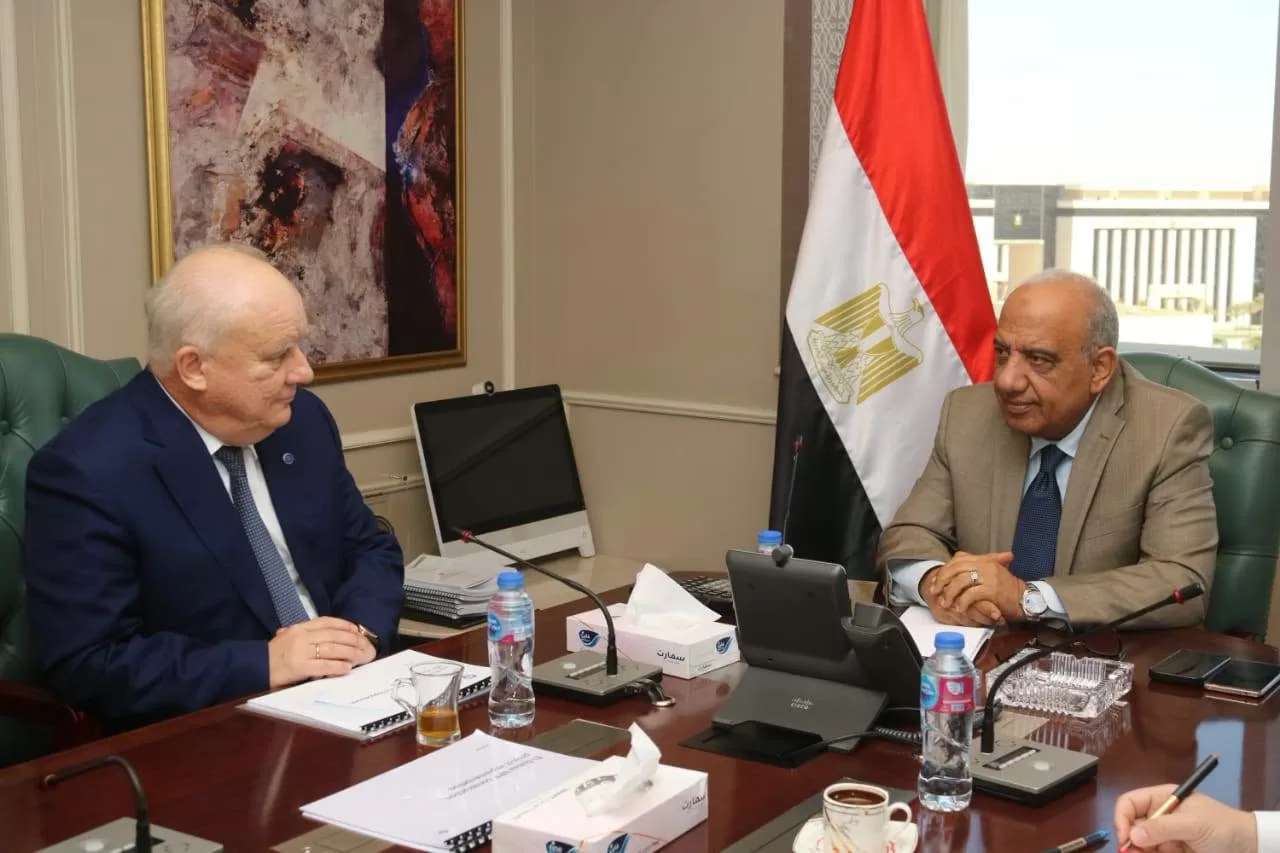
Egypt is making significant strides in its energy sector, particularly with the El Dabaa Nuclear Power Plant project. Recently, the Minister of Electricity and Renewable Energy, Mahmoud Esmat, met with Andrey Petrov, the First Deputy Director General for Nuclear Energy at Russia’s Rosatom, to discuss this crucial initiative. The collaboration is a testament to the strong partnership between Egypt and Russia, aimed at modernizing Egypt’s energy landscape.
Overview of the El Dabaa Nuclear Project
The El Dabaa Nuclear Power Plant is a cornerstone of Egypt’s ambition to diversify its energy sources. The discussions between Esmat and Petrov centered on the project’s current status, including the construction timeline and benchmarks for the various phases of implementation. A particularly noteworthy point was the upcoming arrival of the first batch of nuclear fuel, expected next year, which is a critical milestone in the project timeline.
Both officials underscored the need for ongoing collaboration between the Egyptian and Russian teams. This partnership is crucial for adhering to the project schedule and ensuring that deadlines are met efficiently. Coordinated efforts will facilitate an effective flow of information and resources, thereby promoting a smoother execution of the nuclear power initiative.
Key Areas of Discussion
During their meeting, Esmat provided an update on several essential components of the project. A focus was placed on integrating the electricity generated by the El Dabaa plant into Egypt’s national grid. This integration is vital for meeting the country’s increasing electricity demand, which necessitates a reliable and sustainable energy supply.
Additionally, the two leaders discussed the manufacturing of critical equipment for the plant. Specifically, they reviewed the production of power-generation turbines that will be utilized in the nuclear reactors. These components are crucial for the successful operation of the facility and will contribute to its long-term efficiency.
Training and Workforce Preparation
The conversation also extended to workforce training programs. Esmat and Petrov both acknowledged the importance of preparing a skilled labor force to operate the nuclear plant effectively. Expanding both domestic and international training opportunities is essential for ensuring that personnel are well-equipped to manage the complex technologies involved. This investment in human capital will boost the project’s success and ensure the safe operation of the facility.
Furthermore, both parties reiterated the need to implement all necessary measures to stay on track with the project’s timelines. Meticulous planning and proactive strategies will be key to overcoming potential challenges that may arise during construction and operation phases.
The Strategic Importance of El Dabaa
Minister Esmat emphasized that the El Dabaa Nuclear Power Plant is more than just an energy project; it is a pivotal element of Egypt’s broader energy strategy. The initiative is designed to increase the use of clean energy sources, reduce dependency on fossil fuels, and meet growing energy needs. This aligns perfectly with global sustainability goals and reflects Egypt’s commitment to transitioning towards a greener energy landscape.
The collaboration between Egypt and Russia on this project is not only important for energy production but also embodies their longstanding bilateral relationship. Esmat showcased the historical ties and strategic partnership between the two nations as a foundation for the project’s successful completion. As the El Dabaa plant moves forward, it promises to play a significant role in shaping Egypt’s energy future while reinforcing international partnerships.