
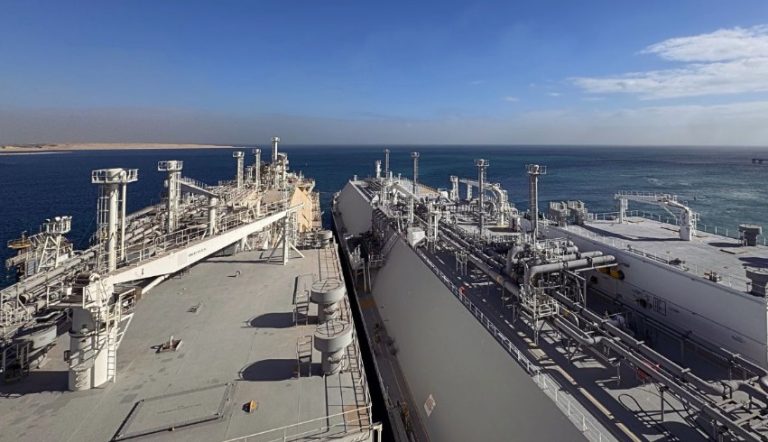
In July, the FSRU-based LNG import terminals in Egypt emerged as the leading destinations for U.S. liquefied natural gas (LNG) shipments, marking the second consecutive month of this trend. This significant development has been highlighted in the Department of Energy’s latest LNG monthly report, showcasing Egypt’s crucial role in global energy dynamics.
US LNG Exports Surge to Egypt
The surge in LNG exports from the United States to Egypt exemplifies a strengthened bilateral energy relationship. As the demand for natural gas continues to rise, Egypt has positioned itself as a strategic hub for LNG imports in the region. The facilities operating on floating storage and regasification units (FSRU) have played a pivotal role in accommodating this increase. Their flexibility and rapid deployment make them ideal for fluctuating energy demands, allowing Egypt to enhance its energy security while supporting the region’s overall power needs.
Impact on Global LNG Market
The increase in U.S. LNG shipments to Egypt is indicative of broader trends within the global LNG market. As countries scramble to diversify their energy sources and reduce dependency on traditional fossil fuels, the ability to procure LNG becomes increasingly important. The U.S. has made significant investments in LNG production and export capabilities, allowing it to respond swiftly to international demand. This dynamic not only benefits exporters but also reinforces Egypt’s strategic importance in the evolving energy landscape.
Challenges and Opportunities Ahead
While the ongoing trend of increased LNG shipments to Egypt presents numerous opportunities, challenges remain. Infrastructure needs continue to evolve, as both exporting and importing countries must adapt to changing demands and market conditions. Additionally, geopolitical tensions and trade agreements can influence energy supply chains, making it essential for stakeholders to remain vigilant. Despite these challenges, the potential for growth in the LNG sector holds promise for both U.S. exporters and Egypt as it aspires to become a regional energy leader.
The Future of LNG Trade in Egypt
Looking ahead, the prospects for LNG trade in Egypt appear promising, bolstered by strong partnerships and investments aimed at enhancing energy infrastructure. As Egypt continues to attract foreign investment in its energy sector, the nation is likely to expand its capabilities further. This growth could position Egypt as a key player in the European energy market, especially amidst ongoing efforts to transition to cleaner energy sources.
In summary, the rise in U.S. LNG exports to Egypt signifies a pivotal moment in the energy sector, with implications that extend far beyond bilateral trade relations. By leveraging its infrastructure and strategic location, Egypt is not only meeting its domestic energy needs but also establishing itself as a vital node in the global LNG supply chain. The future looks bright for both U.S. LNG exporters and Egyptian energy ambitions, as collaboration and innovation continue to define this vital industry.