
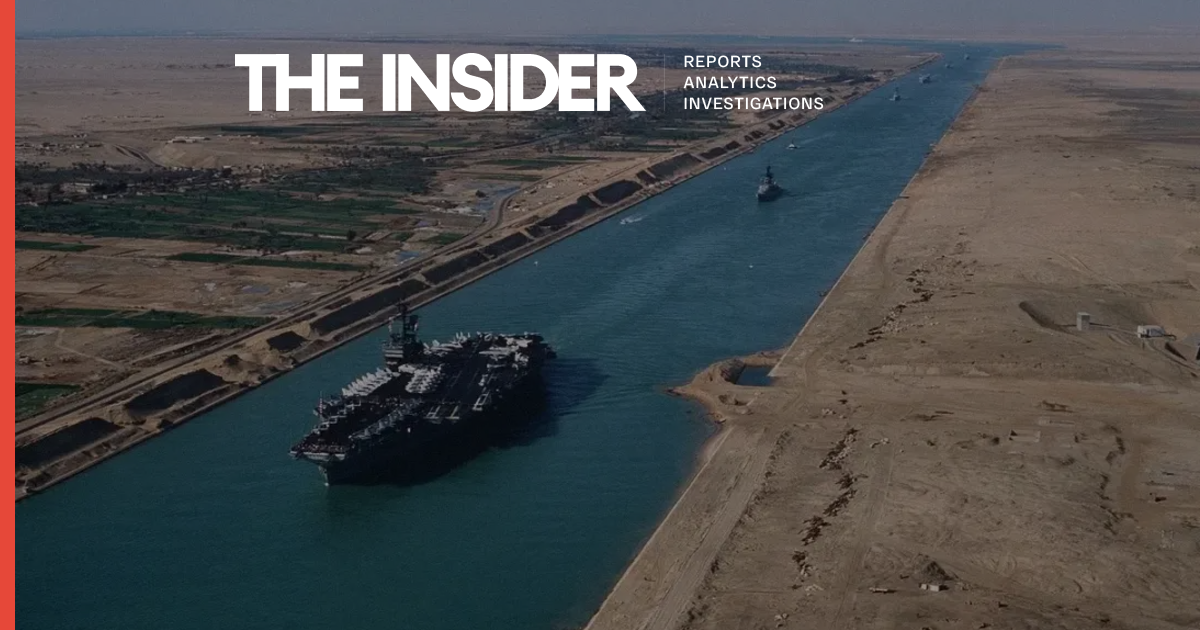
The Suez Canal Authority has implemented new regulations that mandate technical inspections for all ships aged 25 years and older. This decision, reported by the maritime publication Splash247, aims to enhance safety and operational efficiency in one of the world’s most significant shipping routes. These new rules could pose challenges for Russian oil shipments, particularly since a considerable portion of Russia’s “shadow fleet” consists of aging tankers.
New Inspection Requirements for Aging Vessels
The Suez Canal Authority’s new requirements state that vessels aged 25 years or more must undergo thorough technical inspections before they can transit the canal. If a ship has already passed through the canal within the past six months without any reported defects, it will not need an additional inspection. However, these rules apply universally, regardless of the ship’s flag, cargo, or sanctions status. As of now, the authority has yet to release specifics regarding the costs and durations associated with these inspections.
Impact on Russian Oil Shipments
Following the imposition of Western sanctions due to its invasion of Ukraine, Russia has redirected a significant amount of its oil exports from European ports to Asian markets, especially India and China. The Suez Canal is a crucial passage connecting the Mediterranean Sea to the Red Sea, making it a vital route for these shipments. Data from the U.S. Energy Information Administration indicates that, in early 2025, Russia was the largest supplier of oil transported through both the Suez Canal and the Bab el-Mandeb Strait.
Despite the risks posed by Houthi rebel attacks in the Red Sea, Russian oil shipments have persisted, maintaining volumes similar to those in the previous year. Noteworthy incidents involving sanctioned tankers have also occurred in the canal—like the grounding of the tanker “Komander” carrying Russian oil in late 2025—but this vessel, built in 2004, wasn’t affected by the new age restrictions.
The Shadow Fleet’s Age and Condition
Russia’s “shadow fleet” comprises numerous aging vessels bought to navigate around sanctions targeting Russian oil transport. These ships often go through ownership, name, and flag changes, which raises concerns about their technical condition and insurance coverage among maritime authorities. Reports indicate that at least 39 vessels within the shadow fleet exceed 25 years in age, while another 130 tankers registered under the Russian flag also fall within this age bracket.
According to estimates from the KSE Institute, about 92% of the tankers in the shadow fleet are over 15 years old. Previous analyses have suggested that the average age of vessels in the global shadow fleet is around 20 years, with approximately 60% of these ships being older than 20. The Suez Canal’s new regulations apply primarily to vessels 25 years and older, leaving some uncertainty about how many Russian tankers currently using this route will be affected.
Potential Challenges Ahead
The implementation of these additional inspections may raise transportation costs for Russian oil and introduce delays in canal transits. Ships facing technical issues may require repairs before gaining permission to navigate through the canal. The timing of these new regulations comes as the global merchant fleet is growing older. Recent data shows that the total gross tonnage of vessels aged 25 years and older has risen significantly, highlighting the importance of maintaining safety and operational integrity within one of the world’s busiest maritime channels.