
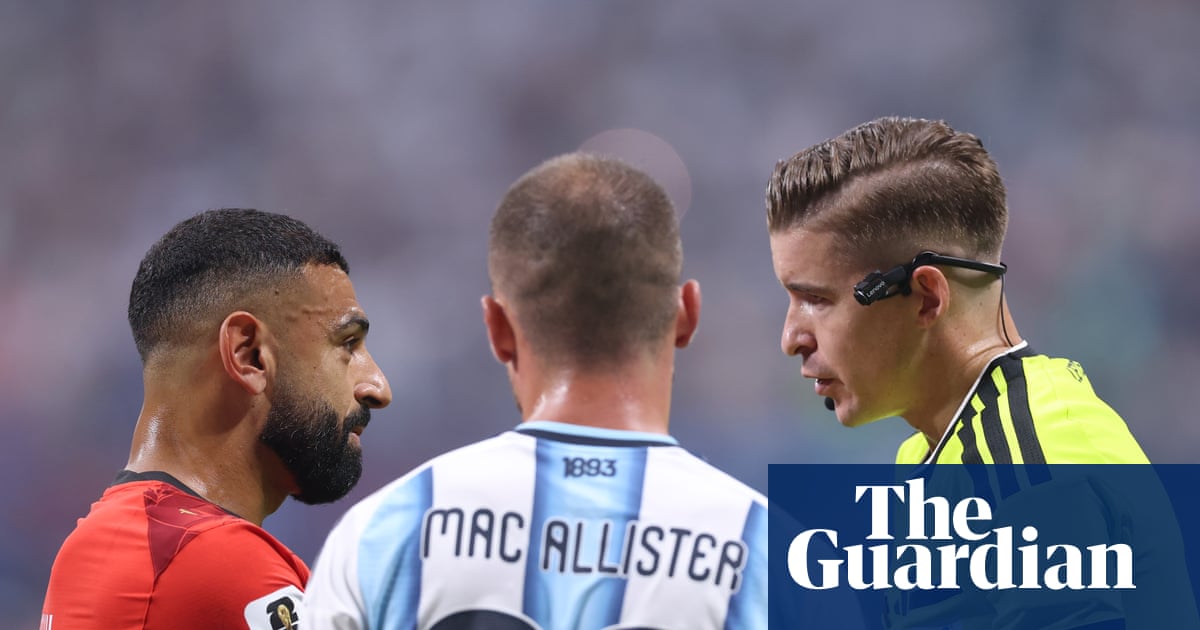
The recent World Cup match where Egypt faced Argentina has sparked significant controversy, with the Egyptian Football Association expressing doubts about the fairness of the officiating. The match, which ended in a narrow 3-2 loss for Egypt, has raised questions regarding the refereeing decisions that influenced the game’s outcome.
Disputed Refereeing Decisions
Egypt took an early lead with a goal from Yasser Ibrahim but felt they had an opportunity to extend their advantage when Mostafa Ziko found the back of the net in the second half. However, this goal was nullified after a review, as referee François Letexier determined a foul by Marwan Attia in the build-up. This decision was just one of several controversial calls that left the Egyptian side feeling wronged.
As the match progressed, Ziko did manage to score again, bringing the score to 2-0. Yet, Argentina swiftly equalized through goals from Cristian Romero and Lionel Messi. Discontent reached its peak in injury time when Letexier opted not to award a penalty after Julián Alvarez challenged Mohamed Salah. Moments later, Enzo Fernández scored the decisive goal for Argentina, solidifying a controversial victory that left Egypt devastated.
Managerial Claims of Injustice
Hossam Hassan, the head coach of the Egyptian team, openly criticized the officiating, asserting that his squad “suffered injustice.” He claimed that Egypt played better throughout the match and deserved a spot in the quarter-finals. The Egyptian Football Association has backed these sentiments, reinforcing that the officiating issues went beyond interpretation and questioned the integrity of the match.
In an official statement, the Egyptian Football Association underscored its concerns regarding the refereeing decisions and the inadequate use of the video assistant referee (VAR) system. They emphasized that several pivotal moments cast shadows on the consistency and fairness of the officiating, which ultimately impacted the game’s direction. Such grievances are especially glaring in a prestigious competition like the World Cup, where fairness is paramount.
Call for Fairness in Football
The statement extended to highlight the importance of upholding fair play and sporting integrity, which are fundamental to football. The Egyptian Football Association stressed that all teams should be treated equally and compete under the same standards. Frustration among players, staff, and supporters is understandable, and they expect the highest officiating standards on such a global stage.
Defending the rights and interests of the Egyptian national team has become a priority for the association. They expressed their commitment to ensuring that every player and supporter receives the fairness and respect they deserve. The events of this match have ignited a broader conversation about the necessity for transparent and consistent officiating in football.
Despite the emotional turmoil surrounding their exit, Egypt leaves this tournament with historic milestones: their first-ever World Cup win, a progression from the group stage, and their first knockout win. While angry at the game’s outcome, they have set new benchmarks for the future. Argentina, on the other hand, will look to solidify their place in the quarter-finals against Switzerland, setting the stage for further dramatic encounters in this World Cup.