
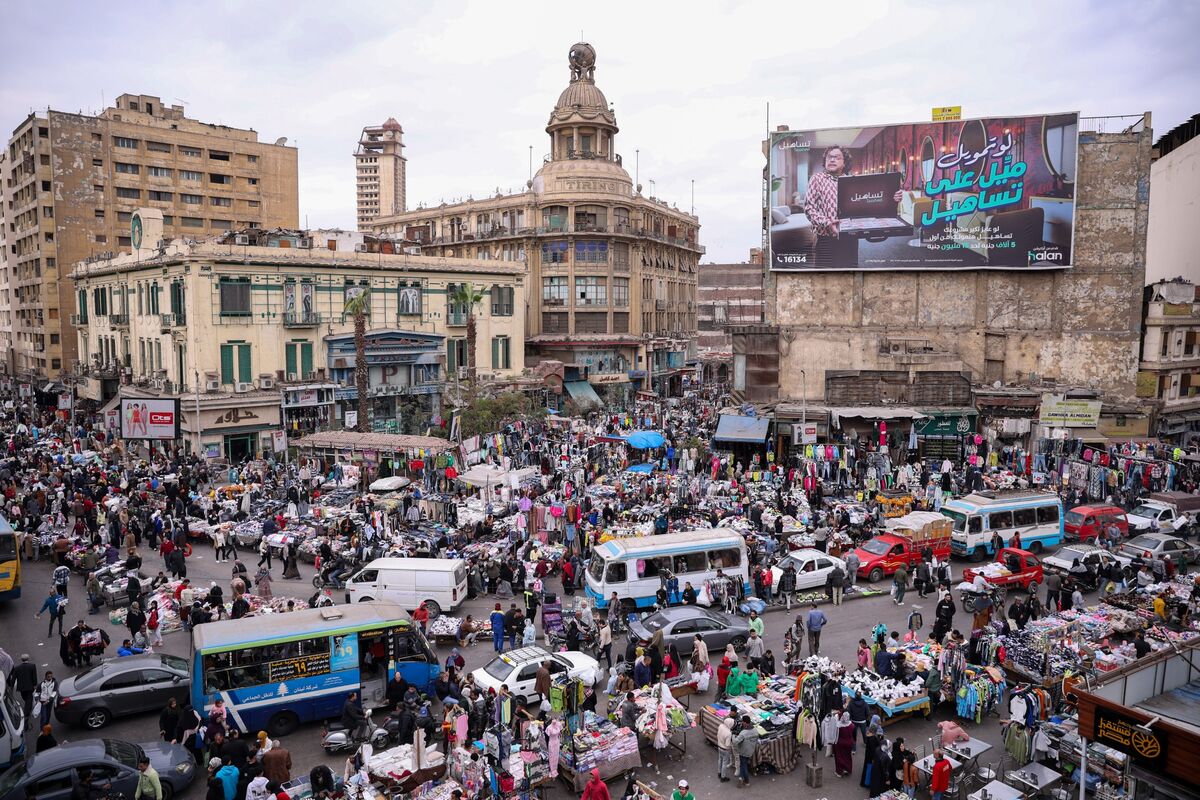
Egypt’s Recent State-Asset Sales and Economic Recovery
Egypt has recently made significant strides by successfully executing state-asset sales, meeting the benchmarks set forth by the International Monetary Fund (IMF). This development is crucial for the country as it paves the way for the release of approximately $1.6 billion in financial assistance. This infusion is particularly vital as Egypt’s economy faces pressures from various external factors, including the ongoing impacts of the war in Ukraine.
The Role of the IMF in Egypt’s Economic Strategy
The IMF plays a critical role in shaping economic policies in numerous nations, including Egypt. The agency’s recent review found that the country met its asset sale targets, which is a key requirement to access the much-anticipated funds. By adhering to these commitments, Egypt not only secures essential financial support but also demonstrates a commitment to economic reform. These efforts underscore the importance of aligning national strategies with international expectations in order to attract further investment and funding.
Impact of State-Asset Sales on the Egyptian Economy
The sale of state assets is a strategic move aimed at revitalizing Egypt’s economy, which has been struggling due to various external and internal challenges. Proceeds from these sales can help bolster foreign reserves and stabilize the financial landscape. Moreover, such asset divestitures could enhance market efficiency by allowing private stakeholders to take over roles once managed by the government.
These transactions also communicate to potential investors that Egypt is open to privatization and reform, making the nation a more attractive option for foreign investment. There is a growing recognition that private sector involvement can lead to better management and optimized resource allocation, which are vital for sustainable economic growth.
Challenges Ahead for Egypt’s Economic Landscape
While the recent achievements are commendable, several challenges remain on Egypt’s path to economic stability. Inflationary pressures, exacerbated by global events such as the Ukraine war, continue to affect the purchasing power of citizens. Key sectors like tourism and agriculture are also feeling the repercussions of these developments, making comprehensive policy approaches essential for long-term recovery.
The government’s ability to navigate these challenges will be key in sustaining public confidence and ensuring a stable economic environment. Continued cooperation with international organizations, such as the IMF, will be vital in implementing sound economic policies that can withstand external shocks.
In summary, Egypt’s successful state-asset sales signal progress in meeting IMF guidelines, thereby opening doors for additional financial support. However, the nation must remain vigilant in addressing ongoing economic challenges to foster stability and growth in the long term.