
Italy’s Foreign Minister, Antonio Tajani, recently traveled to Cairo to reinforce economic ties and navigate issues surrounding migration and regional conflicts. This visit coincides with Egypt’s growing significance as China extends its influence in the Indo-Mediterranean area. By diversifying its partnerships rather than aligning strictly with one global power, Egypt is enhancing its maneuverability in international relations, continuing a long-standing tradition from the Cold War era.
The Geostrategic Importance of Egypt
Egypt’s strategic location, controlling the Suez Canal and acting as a bridge between the Mediterranean and Red Seas, is becoming increasingly vital for both China and Italy. The country is not merely a regional player but a pivotal connector for international trade routes, particularly as Suez remains a key corridor for European-Asian connectivity. The depth of Egypt’s partnerships extends beyond traditional frameworks, as it embraces collaboration with both Western allies and emerging powers like China. These relationships enhance its leverage, enabling it to negotiate terms that benefit its national interests on multiple fronts.
Strengthening Italian-Egyptian Relations
Tajani’s agenda included significant discussions with Egyptian President Abdel Fattah al-Sisi on deepening economic engagement. Notably, Italian exports to Egypt surged by 17% in the first half of the year, emphasizing Egypt’s role as a linchpin in Italy’s broader export strategy. With over 100 Italian enterprises partaking in business forums during the visit, the two nations explored avenues in sectors such as advanced manufacturing, energy, and sustainable transportation. The underlying message is clear: Egypt is not just a market; it is an essential partner in regional stability and security, making cooperation imperative for both nations.
An Evolving Diplomatic Landscape
The scope of talks extended to critical regional security issues, including the conditions surrounding the Nile and tensions in the Middle East. Sisi underscored the importance of maintaining national security over the waters of the Red Sea while pushing back against external efforts to disrupt stability. This strategic context is vital not only for Egypt’s national interests but also for any nation—the U.S., Italy, or otherwise—looking to engage with Cairo. As both governments navigate shared challenges and opportunities, the overarching theme is Egypt’s intention to bolster its role as a regional power broker, ensuring it remains indispensable in an increasingly complex geopolitical landscape.
China’s Growing Influence
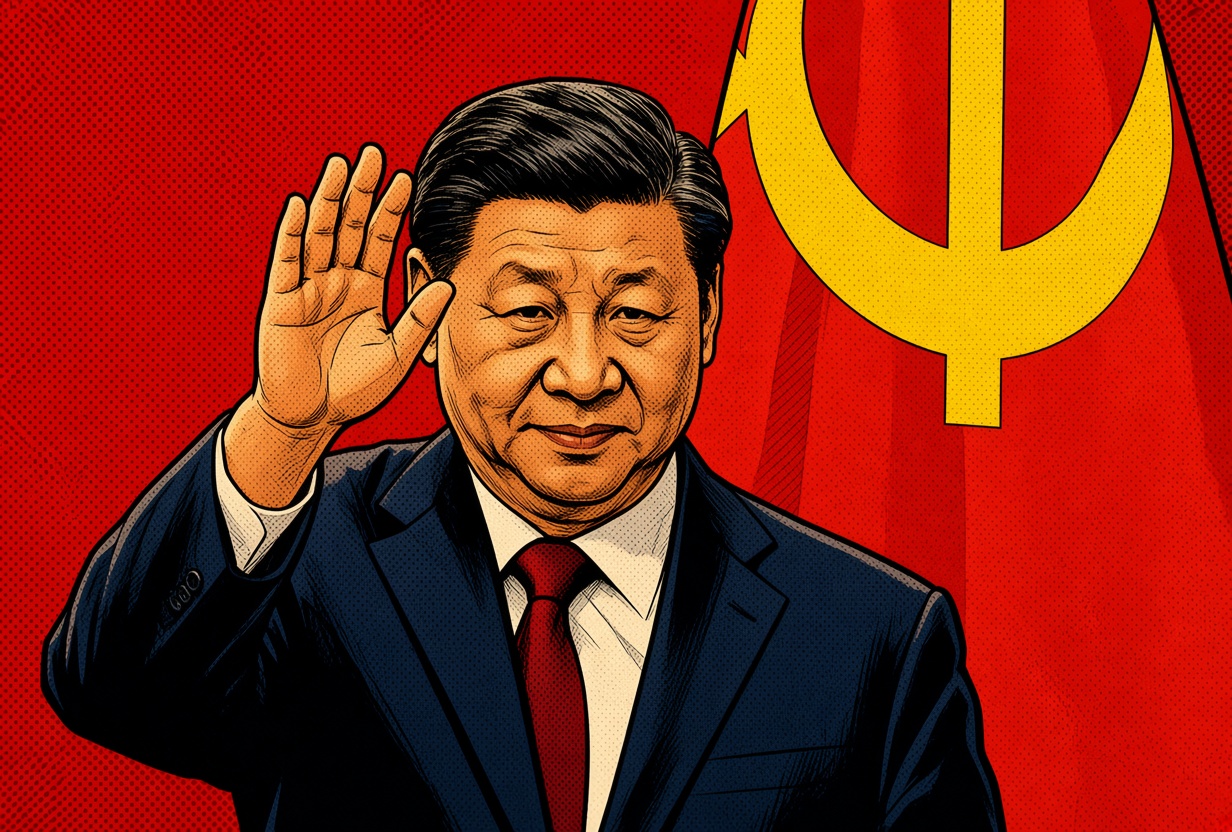
Meanwhile, the dynamics with Beijing are evolving as well. Chinese President Xi Jinping’s recent visit to Cairo emphasizes a commitment to deepening relations, with initiatives that extend beyond infrastructure into technology and military cooperation. Projects led by Chinese firms showcase Cairo’s strategic appeal, offering benefits ranging from new administrative capabilities to integrating advanced technology in vital sectors. This development presents both challenges and opportunities for traditional Western allies, particularly as Egypt seeks to maximize its choices while maintaining ties to the U.S. for defense and security assistance.
In summary, Egypt’s position is becoming increasingly complex as it balances relationships with various global powers. For Italy, maintaining a strong presence in the Mediterranean is no longer sufficient; the strategy must evolve into one that fosters long-term engagement and relevance. As Egypt expands its array of partnerships, including with China, it is crucial for Italy to ensure that it remains a valuable and irreplaceable ally in the region.