
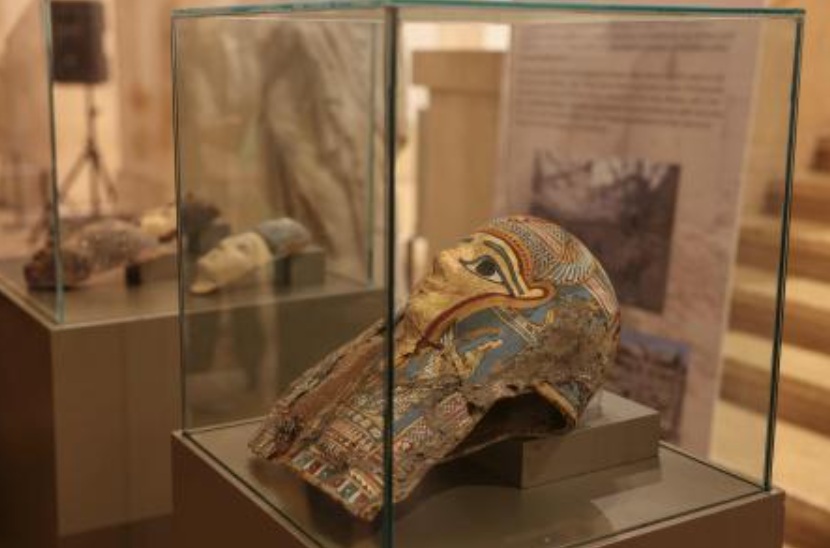
Lebanon has recently taken a significant step in preserving cultural heritage by returning 37 artefacts that were illegally smuggled out of Egypt. This gesture not only strengthens diplomatic ties between the two nations but also emphasizes the importance of protecting historical artifacts around the world.
Importance of Restitution in Cultural Heritage
The return of these artefacts highlights the critical importance of restitution in the realm of cultural heritage. Artefacts serve as tangible links to our past, embodying stories and traditions that deserve to be honored. Countries around the globe are increasingly recognizing that these treasures belong in their countries of origin, where they can be preserved and studied within their rightful historical context. The process of returning stolen or smuggled items promotes accountability and encourages other nations to follow suit in honoring their cultural heritage.
Impact on International Relations
Restoring cultural property also plays a vital role in international relations. When nations engage in acts of goodwill, such as returning stolen treasures, it fosters a spirit of cooperation and understanding. The Lebanese government’s decision to return these artefacts is a clear message that they value their relationship with Egypt. Such actions can pave the way for further collaboration in numerous areas, including tourism, education, and cultural exchange. By prioritizing the restoration of cultural items, countries can enhance mutual respect and build lasting partnerships.
Lessons Learned from the Artefact Return
The recent return of artefacts sheds light on the ongoing battle against the illicit trade in cultural items. The global antiquities market is rife with challenges, and the circumstances surrounding the smuggling of these artefacts underscore the need for stronger legal frameworks and international cooperation. Countries must take proactive measures to protect their cultural heritage, including tightening regulations and enhancing oversight mechanisms. The return of artefacts not only serves as a remedy for past injustices but also as a cautionary tale for how to prevent future illicit activities in the antiquities trade.
The Path Forward for Cultural Preservation
As more nations take diligence in the protection of their cultural property, the path forward is clear. Building awareness regarding the importance of cultural heritage must be at the forefront of educational initiatives. Governments, museums, and non-profit organizations should collaborate to create programs that promote the significance of preserving artefacts. Additionally, technological advancements can facilitate better tracking and documentation of cultural items, enhancing transparency in the marketplace. Public engagement through exhibitions, seminars, and community projects can also deepen society’s appreciation for historical artefacts, ultimately fostering a culture of preservation.
In conclusion, Lebanon’s return of 37 artefacts is a powerful reminder of the responsibility we all share in safeguarding cultural heritage. It illustrates the profound impact of restitution on both international relations and societal values. By learning from this event and fostering collaborative efforts, we can collectively work towards a future that respects and protects our shared history.