
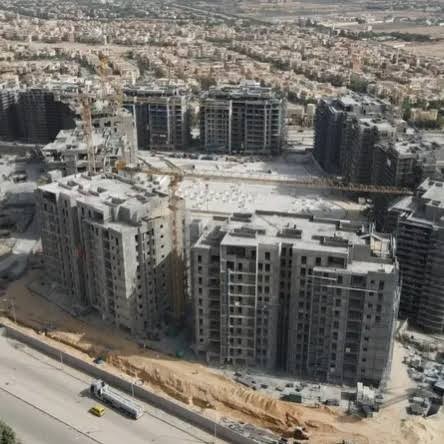
The situation surrounding the withdrawal of land assigned for real estate projects in Egypt raises crucial questions for buyers regarding their investments and rights. This complex legal landscape warrants careful consideration for those involved, particularly in light of recent moves by government officials to enhance market discipline and protect consumer interests.
Understanding the Legal Framework
Haitham Elsayes, a lawyer specializing in real estate development at the Court of Cassation and the Supreme Administrative Court, highlights that when land is withdrawn from a developer, it does not necessarily jeopardize a buyer’s financial investments or contractual rights. Instead, the outcome largely depends on the reasons for the land withdrawal and whether the decision is final or open to appeal. Recent measures introduced by President Abdel Fattah Al-Sisi aim to eliminate unqualified developers, thereby safeguarding buyers’ investments and promoting sustainable growth in the real estate sector.
There exist two distinct contractual relationships in real estate transactions: one between the developer and the land-allocation authority (such as the New Urban Communities Authority) and another between the developer and the buyer. A dispute between the developer and the authority does not automatically disrupt the contractual agreement between the developer and the buyer. Individual buyers may still retain their rights, even if complications arise with the developer’s land allocation.
Recommended Actions for Buyers
In cases of land withdrawal, Elsayes advises buyers to first confirm the legitimacy of the decision through official channels, rather than relying on media reports or unverified claims. It is imperative for buyers to understand the rationale behind the withdrawal and determine whether the decision can be contested. In some instances, developers might be given a grace period to rectify issues before a final withdrawal is enacted, potentially allowing projects to proceed as planned.
Additionally, it is critical for buyers to maintain all documentation related to their purchases, including sale contracts, payment receipts, and correspondence. If an official withdrawal is confirmed, it may be prudent for buyers to issue a formal legal notice to the developer. This notice should demand clarity on the land’s status, the reasons for withdrawal, and the implications for the buyer’s contractual rights.
Potential Remedies for Buyers
The rights of buyers in relation to refunds, contract enforcement, or claims for damages are contingent on the circumstances surrounding the land withdrawal. If the developer is found to be at fault for not fulfilling their obligations, buyers may be entitled to recover their payments and receive compensation for any resultant losses. Elsayes emphasizes the importance of seeking legal counsel before taking any action, particularly when it comes to signing contracts that could limit rights or entitlements.
In conclusion, the regulatory measures aimed at addressing non-compliant developers not only seek to protect buyers but also emphasize the need for responsible practices within Egypt’s real estate sector. Buyers are urged to remain vigilant and follow formal legal avenues to preserve their claims and interests, ensuring any decisions made do not adversely affect their future legal standing. Given the complexities involved, engaging with legal experts familiar with real estate regulations is essential for informed decision-making in the face of land withdrawal scenarios.