
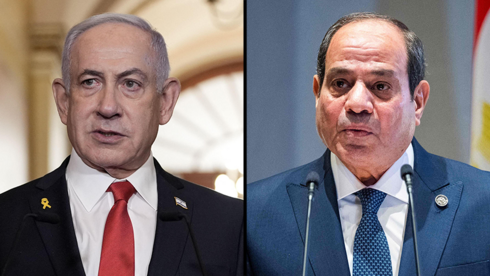
Washington’s recent move to bypass human rights conditions tied to military aid for Egypt underscores the ongoing priority of strategic interests. For Israel, this waiver not only reflects U.S. foreign policy but also raises questions about the future of its security in relation to a neighboring authoritarian regime.
The Implications of U.S. Aid Waivers
On October 1, U.S. Secretary of State Marco Rubio authorized a waiver to allow $320 million in military assistance to Egypt, disregarding stipulations about human rights. This decision was largely overlooked amid ongoing conflicts involving Iran. The official reasoning stated that strengthening ties with Cairo was crucial for U.S. national security, especially considering Egypt’s role in the regional conflict. Both Democratic and Republican administrations have routinely implemented such waivers, indicating that Egypt’s geopolitical significance often outweighs concerns about civil liberties.
For Israel, this raises a crucial dilemma: if an authoritarian neighbor is pivotal for regional stability, what hidden risks accompany this arrangement? The recent waiver emphasizes the need for Israel to reassess its security posture in light of the unpredictability inherent in Egypt’s internal politics.
Shifting Security Dynamics
While Egypt is not synonymous with Hamas, and the historical 1979 peace treaty represents an essential aspect of regional stability, recent developments challenge the traditional view of the Israeli-Egyptian border as a stable zone. The events surrounding October 7 have shattered preconceived notions of predictability. Israeli defense strategies have often relied on the assumption that mutual interests would ensure a manageable southern border. However, a regime that relies on repressive measures to maintain order may not always act in predictable ways, especially when faced with shifting regional dynamics or rising public dissent.
The waiver also highlights that the U.S. has not suddenly deemed Egypt a democracy under President Abdel Fattah el-Sisi. The rationale for military aid remains rooted in combating terrorism and securing American strategic interests. Washington regards Egypt as too vital to punish for human rights violations, largely due to its strategic geographical position, especially concerning the Suez Canal and its ongoing diplomatic roles. Yet, this should not confuse strategic utility with ultimate stability.
Long-term Concerns for Israel
Following the October 7 incident, Israel must critically evaluate every aspect of its neighboring military capabilities, including those of allies like Egypt. While there is no current indication that Egypt seeks war, the military buildup in Sinai raises questions about the implications of sudden political instability. Over the last decade, Egypt has expanded its military infrastructure significantly, which could take on a different meaning if Egypt’s internal situation were to change dramatically.
Compounding these issues is the 1979 peace agreement, which limits Egypt’s military presence in Sinai but has seen Israel permit deployments beyond those initial constraints due to joint interests in combating terrorism. However, the long-term implications of this buildup could be significant, especially if the strategic rationale for it dissipates but the infrastructure persists.
Future Scenarios and Strategic Independence
The more pressing concern for Israel is a potential succession crisis following el-Sisi’s regime. While Egypt is not poised to declare war, the political system underpinning el-Sisi’s rule could lead to unpredictable changes that may not favor Israeli interests. Over the years, repressive governance has stifled political participation, leading to deep-seated grievances that could erupt under new leadership. Additionally, economic pressures from rising energy costs and the ongoing conflict with Iran create a scenario where nationalist rhetoric could gain traction domestically.
As a nation, Israel must engage in proactive vigilance, carefully monitoring Egyptian troop movements, infrastructure, and potential shifts in political power. The recent waiver by Washington offers a stark reminder that Israel cannot solely rely on U.S. assessments. While maintaining the 1979 treaty, Israel should ensure that it is prepared for possible future instability, fostering a policy rooted in independence rather than complacency. The possibility of political upheaval serves as a warning sign: sometimes, the most significant threats may arise not from overt enemies, but from expected partners whose stability is anything but guaranteed.