
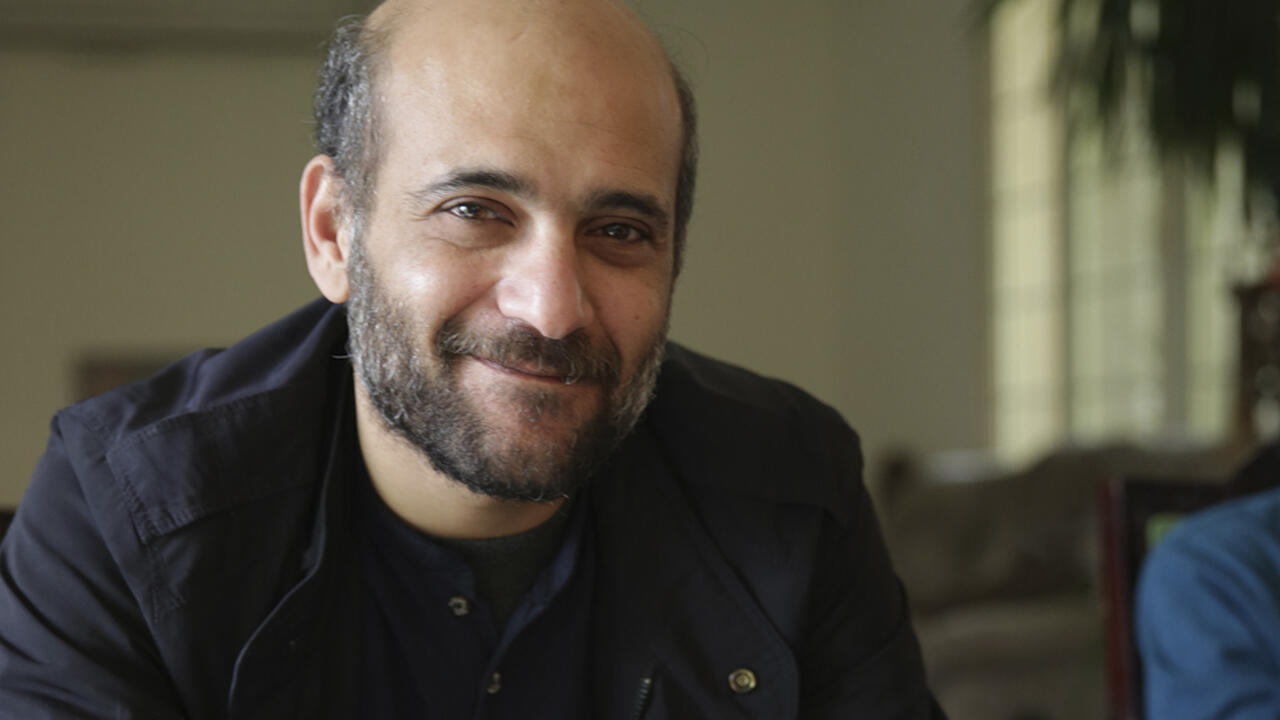
Palestinian activist Ramy Shaath is currently embroiled in deportation proceedings in France, which authorities claim pose a “serious threat to public order.” His case has garnered significant attention as it raises questions about activism, human rights, and governmental authority.
Background on Ramy Shaath
Ramy Shaath is a prominent figure known for his advocacy on behalf of Palestinian rights. Having lived in various nations, he eventually settled in France, where he continued his activism. His work has involved raising awareness about the struggles faced by Palestinians, promoting dialogue, and fighting against the injustices they encounter. However, the recent developments concerning his residency in France have prompted an outcry within human rights circles and from fellow activists.
The Legal Proceedings and Public Concern
The French authorities’ decision to initiate deportation proceedings against Shaath has raised eyebrows and sparked a wave of protests. His lawyer has stated that the reasoning behind this drastic measure is rooted in a potential threat to public order, but many view this as an infringement on civil liberties. Activism and dissent are central to democratic societies, and the implications of such actions could have a chilling effect on others who may wish to voice their opinions or advocate for social justice.
Human rights organizations have rallied around Shaath, emphasizing that deporting him could set a worrying precedent. Activists argue that the suppression of voices advocating for Palestinian rights runs counter to France’s long-standing tradition of upholding human rights and freedom of expression. They fear that if Shaath is deported, it could discourage other activists from engaging in similar work, effectively silencing crucial conversations about the rights of marginalized communities.
The Broader Implications for Activism in France
The situation facing Ramy Shaath could have far-reaching consequences for activists in France and beyond. As governments worldwide grapple with varying degrees of dissent and protest, the handling of cases like Shaath’s can establish important precedents. The act of deporting a recognized activist based merely on allegations of “threatening public order” raises concerns about the balance between national security and the right to free speech.
Moreover, France’s approach to such situations could be indicative of a larger trend in which governments prioritize perceived public order over individual rights, particularly for those involved in activism. As the global landscape continues to evolve, the treatment of activists such as Shaath will undoubtedly influence the socio-political climate, raising questions about the freedom to advocate for change.
In summary, the ongoing deportation proceedings against Ramy Shaath highlight critical issues regarding human rights, the nature of activism, and governmental authority. The outcome of his case will not only affect his future but may also impact the broader landscape of activism in France and around the world. As advocates for change continue to stand by Shaath, the importance of ensuring that all voices are heard remains paramount in the pursuit of justice and equity.