
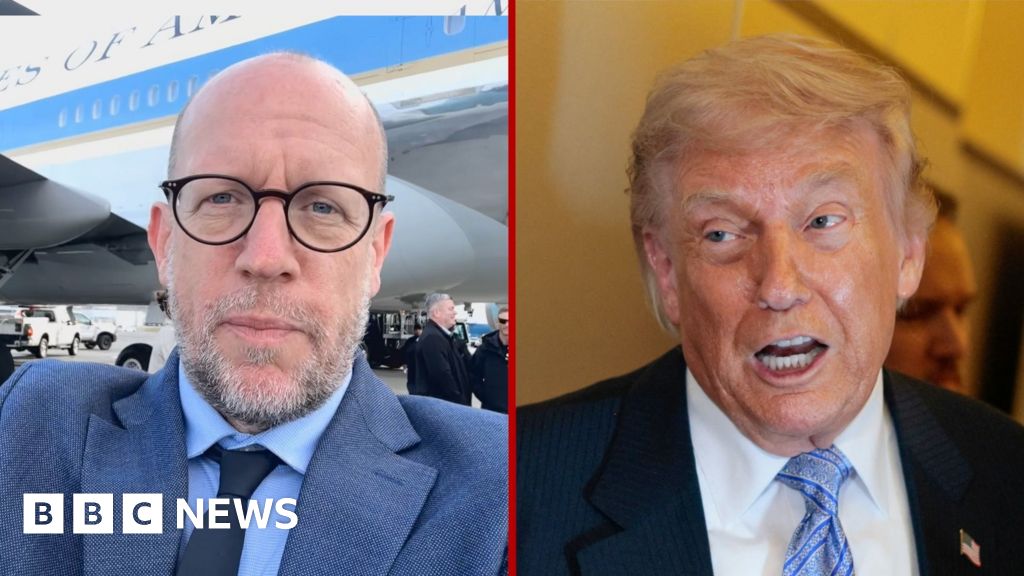
In a recent interview, President Trump discussed the delicate balance of international relations, particularly regarding China’s influence over Iran and the implications for the Strait of Hormuz, a crucial maritime route. This strategic waterway is vital not only for oil transportation but also for maintaining global economic stability.
China’s Role in Global Diplomacy
China has emerged as a key player in global diplomacy, particularly in relation to Iran. As the two nations share a close relationship, China’s ability to influence Iranian policies cannot be overlooked. This connection raises questions about how China might utilize its leverage to ease tensions in the region. For instance, if China were to apply pressure on Iran to ensure safe passage through the Strait of Hormuz, it could lead to a more stable maritime environment. This is crucial for countries that rely heavily on the oil transported through this corridor.
The Strait of Hormuz: A Critical Passage
The Strait of Hormuz is often described as one of the most strategically important waterways in the world. Approximately one-third of the world’s seaborne oil passes through this narrow channel. Given its significance, any disruption in this route can have severe repercussions on global oil prices and, by extension, the world economy. The U.S. and its allies are particularly concerned about maintaining open access to this strait, as any closure or threat to shipping lanes could escalate geopolitical tensions.
Implications for U.S.-China Relations
President Trump’s comments highlight the complex dynamics between the United States and China. On the one hand, there’s a growing competition for influence in the Middle East, while on the other, there’s the necessity for cooperation to avert potential crises. Trump’s assertion about China’s potential role in easing tensions with Iran reflects a recognition of the interconnectedness of global power structures. By emphasizing this point, it may be possible to foster a more collaborative approach to addressing regional stability.
The Future of Oil Trade and Regional Security
Looking ahead, the future of oil trade through the Strait of Hormuz hinges on geopolitical stability and effective diplomatic engagements. While China’s influence on Iran may provide an avenue for de-escalation, it also poses challenges for U.S. interests in the region. The continued examination of these relationships will be vital for ensuring that the Strait of Hormuz remains open and secure. A cooperative approach could set the groundwork for enhanced security measures that protect this vital route from potential disruptions.
In conclusion, the discourse surrounding China’s influence on Iran and the implications for the Strait of Hormuz underscores the intricate web of international relations. As President Trump continues to address these issues, it will be interesting to observe how these dynamics evolve and what they mean for both regional security and global economic stability. The potential for collaboration between major powers may be the key to navigating the complexities of today’s political landscape.