
Introduction to the Julius Nyerere Hydropower Project
On August 21, 2026, Egypt reaffirmed its commitment to African development through the inauguration of Tanzania’s Julius Nyerere hydropower project. This initiative is a vital step in showcasing Egyptian companies’ capability in driving growth across the African continent, while also addressing energy needs in the Nile Basin.
Egypt’s Role in African Development
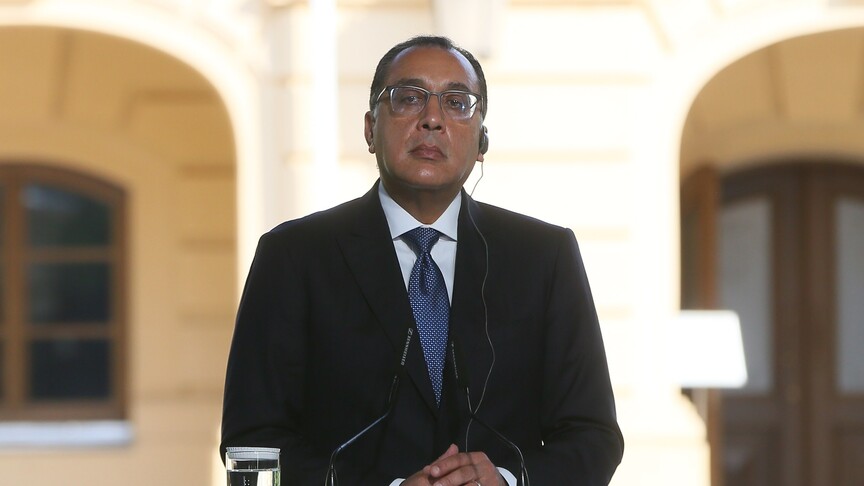
Prime Minister Mostafa Madbouly emphasized the significance of this project during a visit to Tanzania. It was highlighted that the Julius Nyerere project is not only important for Tanzania, which will benefit from 2,115 megawatts of electricity generation but also serves to counteract claims that Egypt opposes development initiatives in African and Nile Basin nations. Madbouly noted that the project, executed by a consortium of renowned Egyptian firms, including Elsewedy Electric and Arab Contractors, is a testament to Egypt’s ability to engage in major infrastructure developments across the continent.
The construction of the hydropower dam took nearly five years and mobilized a workforce of around 12,000 individuals, including 1,700 skilled Egyptian engineers and technicians. Such a large-scale engagement showcases Egypt’s resources and expertise, reinforcing its role as a key player in regional development.
Addressing Nile Basin Tensions
Madbouly’s remarks were particularly timely, considering the lingering tensions between Egypt and Ethiopia regarding the Grand Ethiopian Renaissance Dam (GERD). As Ethiopia moves forward with its ambitious water projects, including the construction of additional dams, Egypt remains steadfast in defending its historical rights to Nile water. This ongoing dispute underscores a broader geopolitical struggle over water resources within the Nile Basin, which includes 11 countries: Burundi, Rwanda, the Democratic Republic of Congo, Kenya, Uganda, Tanzania, Ethiopia, Eritrea, South Sudan, Sudan, and Egypt.
Egypt has consistently opposed unilateral actions by Ethiopia that could potentially compromise its water share. The recent statements from Ethiopian officials about the construction of new dams further complicate the situation. The Egyptian Foreign Minister has firmly stated that Cairo will not permit any additional dams on the Nile and will continue to advocate for collaborative negotiations.
Negotiating a Common Future
Amid these tensions, both countries must prioritize dialogue and cooperation over conflict. The Nile Basin’s shared water resources can benefit all member states if approached collectively. Egypt’s strategies to support development in neighboring nations, as highlighted during the inauguration event, demonstrate that it is possible to respect national rights while fostering a spirit of collaboration and mutual benefit in the region.
As negotiations regarding the GERD have faced significant delays, it’s clear that a concerted effort is necessary to reach a sustainable agreement that accounts for the needs of all parties involved. The commitment shown by Egypt through projects like the Julius Nyerere dam illustrates a dedication to fostering regional stability and economic growth, essential for the Nile Basin’s future.
In conclusion, Egypt’s active participation in the Julius Nyerere hydropower project symbolizes its commitment not only to domestic progress but also to collaborative development across the African continent. It highlights the importance of addressing the nuanced challenges of water rights and benefits, setting a precedent for future cooperation in the Nile Basin.