
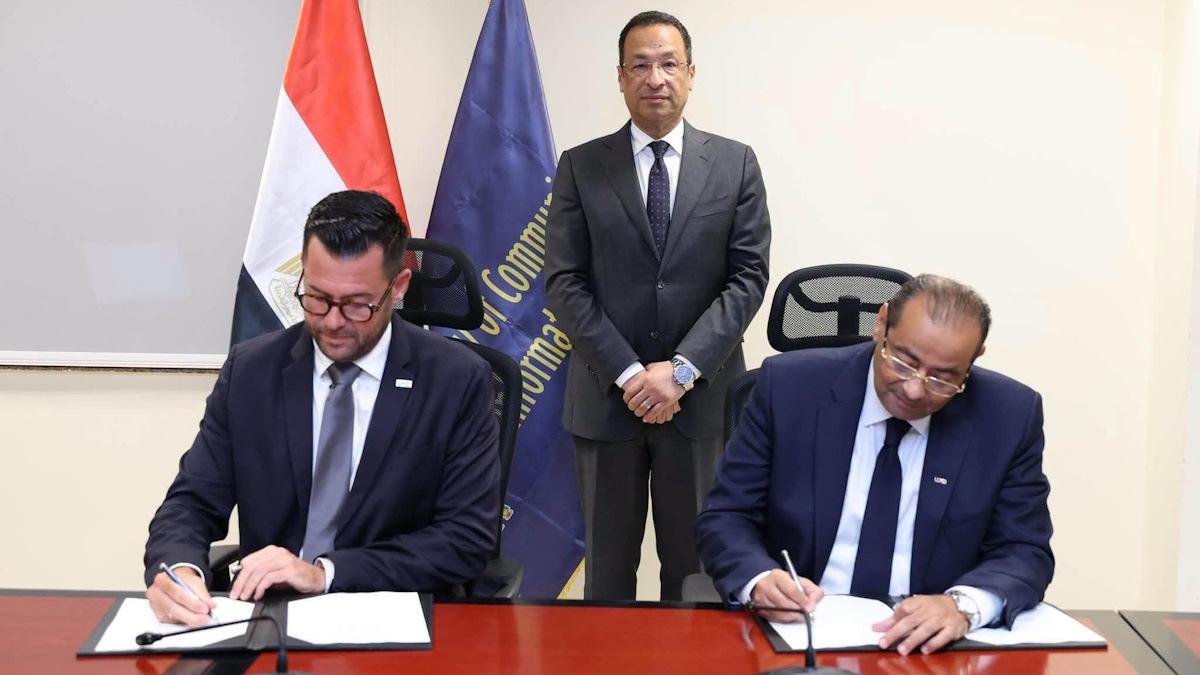
Telecom Egypt is making significant strides in enhancing its digital infrastructure by partnering with Power Sub Link SA (PSL) to establish the Sharm El-Sheikh-Taba subsea cable. This collaboration aims to create a seamless connectivity pathway linking the Red Sea to the Mediterranean, which is expected to bolster the region’s internet capabilities dramatically.
Details of the Subsea Cable Project
The newly signed agreement, formalized in Cairo and attended by key figures including Tamer El Mahdi, CEO of Telecom Egypt, and Byron Skaftouros, MD of PSL, marks an essential milestone for telecommunications in the region. The infrastructure involved in this venture consists of a 200-kilometer, high-fibre-count, repeaterless subsea cable. Designed for optimal performance, this cable will offer one of the most secure and efficient connectivity routes available, delivering a significant increase in data transmission speeds and capacity.
With an impressive design capacity reaching approximately five petabits per second, the Sharm El-Sheikh-Taba cable is anticipated to be operational by the fourth quarter of 2027. This innovative addition to Telecom Egypt’s network is not only a technical feat but it also positions Egypt at a pivotal point in global internet communications, coursing through routes that account for roughly 17% of worldwide traffic.
Impact on Global Connectivity
Establishing this eastern digital corridor emphasizes Egypt’s role as a significant player in the global telecommunications landscape. As a digital transit hub, Telecom Egypt’s latest initiative promises to provide lower signal losses and enhanced network performance, improving connectivity for international carriers and network operators. This development amplifies route diversity, enabling businesses to optimize their data transmission paths more effectively.
Furthermore, the integration of the new cable into Telecom Egypt’s existing Red Sea Subsea Festoon Cable System will create a continuous underwater connectivity route, linking vital locations including Suez, Zafarana, Ras Ghareb, Sharm El-Sheikh, and Taba. By enhancing the infrastructure, the project will also offer additional landing-point options, incorporating greater resilience and redundancy into the network.
Synergies with Existing Infrastructure
The introduction of this subsea cable also presents strategic synergies with existing projects, particularly the operational Coral Bridge subsea cable, developed jointly with Jordan’s NaiTel. This existing infrastructure already provides a vital digital link across the Gulf of Aqaba, connecting Taba directly to Jordan’s data hub. The new connection enhances this synergy, creating an aggregated digital pathway that facilitates increased transit options into Europe and the Levant.
According to Amr Talaat, Egypt’s Minister of Communications and Information Technology, this agreement reflects the nation’s ongoing dedication to enhancing its digital infrastructure. The establishment of the Sharm El-Sheikh-Taba subsea cable is a testament to Egypt’s commitment to becoming a key player in international connectivity, thereby supporting the burgeoning demand for secure data transmission as global internet traffic continues to rise.
Future Prospects and Strategic Importance
El Mahdi further elaborated on the significance of this project, indicating that it aligns with Telecom Egypt’s strategic goals aimed at maximizing its role in digital infrastructure development. The initiative represents a substantial step forward for the company’s international and subsea infrastructure, particularly within the Sinai region.
In summary, the Sharm El-Sheikh-Taba subsea cable not only represents a leap in technological advancement but also underlines Egypt’s strategic importance in global internet connectivity. By establishing robust and efficient links between key digital hubs, Egypt is set to reinforce its position as a vital conduit for international data traffic, catering to the ever-growing demand for digital services across the globe.