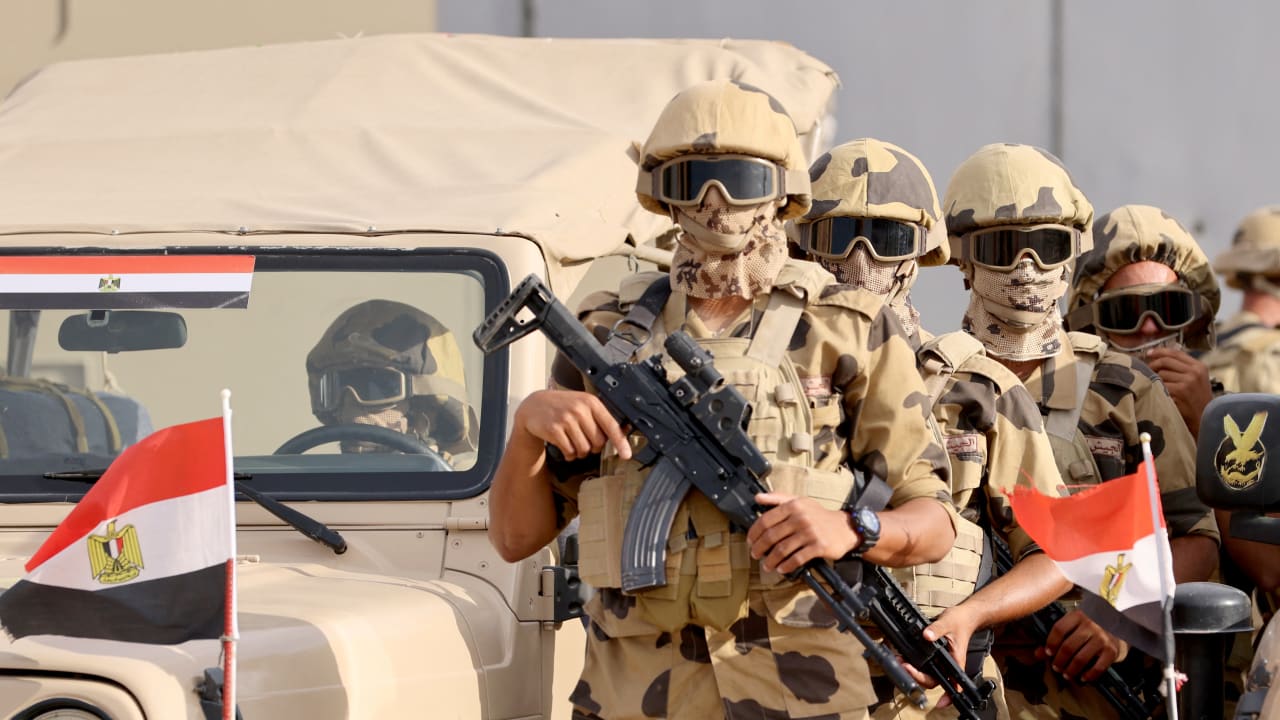
The 1979 peace treaty between Egypt and Israel, initiated by Anwar Sadat, established a critical foundation for stability in the region. This historically significant agreement, which facilitated Egypt’s regain of the Sinai Peninsula, also imposed strict limitations on the deployment of Egyptian military forces in the area. These measures were designed to promote mutual trust and avert military confrontations. However, recent years have demonstrated a growing divergence from the treaty’s original terms as conditions on the ground evolve.
The Justification for Increased Military Presence
Egypt has defended its expanded military presence in Sinai by citing the need to combat the threat posed by ISIS and related militant groups. These factions emerged as serious challenges to Egypt’s internal security and necessitated a robust military response. This context has led to a tacit understanding between Israel and Egypt, wherein Israel has approved certain exceptions to the original constraints of the peace agreement, allowing for greater flexibility in Egyptian military operations. Over time, such approvals have encouraged an escalation in Egypt’s military footprint beyond what was initially stipulated.
Gradual Transformation of Military Strategy
What began as a temporary security adjustment has morphed into a strategy of gradual military escalation. Egypt’s military not only increased the troop count in Sinai but also augmented its arsenal with heavy weaponry and advanced infrastructure. Reports indicate that permanent logistical systems have been established, outweighing the treaty’s intended limitations. The gradual normalization of these military modifications risks shifting the balance of power in the region significantly.
Strategic Implications of Military Proximity
Numerous intelligence assessments suggest that Egypt’s military forces continue to move closer to the Israeli border, a trend marked by small, almost unnoticed adjustments. This evolving military posture holds substantial strategic ramifications. An increase in the number of well-equipped Egyptian troops near Israeli territory could result in rapid escalations during times of political upheaval or regional tensions. While no immediate war seems imminent, such developments create a landscape of unpredictability that could escalate quickly.
Concerns Over Trust and Cooperation
Despite ongoing security cooperation between Egypt and Israel, including arrangements for the transfer of Israeli gas to Egypt, there remains an underlying apprehension. Israel’s concern is not founded on the fear of an outright conflict but on the potential for strategic realities to shift suddenly. As history has shown, agreements can dissolve when political incentives change. Coupled with Egypt’s increasing diplomatic hostility toward Israel in international forums, this situation fosters a climate of mistrust.
In summary, the original peace agreement between Egypt and Israel was a landmark achievement for stability in the region. However, as Egypt’s military presence in Sinai evolves, it is essential to maintain vigilance and ensure transparency to protect this critical geopolitical asset. The implications of these changes demand close observation, as the gradual erosion of existing agreements could render longstanding peace initiatives ineffective. Peace is a fragile construct; safeguarding it requires ongoing commitment and adaptability from both nations.