
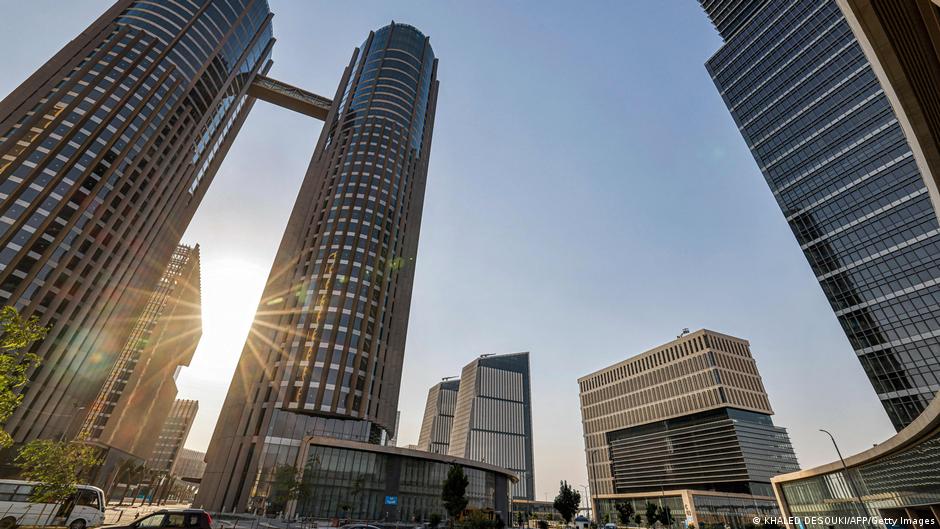
Egypt has recently introduced The Octagon, a sprawling military facility located in the nation’s new administrative capital. This flagship initiative is closely linked to President Abdel Fattah el-Sissi and is touted as a state-of-the-art hub for overseeing national defense and security. However, critics assert that this ambitious project highlights the increasingly prominent role of the military in Egyptian society, particularly amid the ongoing economic challenges faced by many citizens.
The Significance of The Octagon
The Octagon is portrayed as a high-tech center intended to modernize Egypt’s military command and control systems. This initiative aims to streamline operations and improve the efficacy of national defense strategies. Official narratives emphasize its role in reinforcing national security and preparedness in an era where geopolitical tensions are ever-present. The complex is expected to house advanced technologies, facilitating better communication and coordination among military units.
Impact on Egyptian Society
While officials herald the development of The Octagon as a significant step forward, many Egyptians are left questioning its timing and implications. The nation is facing substantial economic difficulties, including rising unemployment, inflation, and a weakened currency. In light of these pressing issues, critics argue that prioritizing a military complex over addressing social welfare and economic stability reflects misplaced priorities. Some citizens view this as an indicator of the military’s expanding grip on various aspects of life in Egypt, from governance to economic interests.
Funding and Economic Concerns
The funding for The Octagon raises additional questions. Observers speculate about where financial resources are being allocated, especially when many basic services are in need of enhancement. Critics point out that large-scale military expenditure could detract from investments in critical sectors such as education, healthcare, and infrastructure. This focus on military infrastructure may further exacerbate the economic disparities and societal tensions already prevalent in the country.
The Future of Military Influence
The establishment of The Octagon is indicative of the broader role the military plays in Egyptian governance and society. With President el-Sissi at the helm, many wonder about the future trajectory of military engagement in civil affairs. The complex serves not only as a military installation but also as a symbol of the institution’s authority in a nation grappling with political and social unrest. As The Octagon takes shape, the debate continues regarding the balance between national security and socioeconomic stability, with citizens hoping for a more inclusive approach to governance that addresses their fundamental needs.
Overall, The Octagon stands as a testament to Egypt’s ambitions for modernization and security. Yet, it also underscores the complexities and challenges associated with military priorities in an economically strained society. The way forward will require careful consideration of the broader implications of such developments on everyday Egyptian life.