
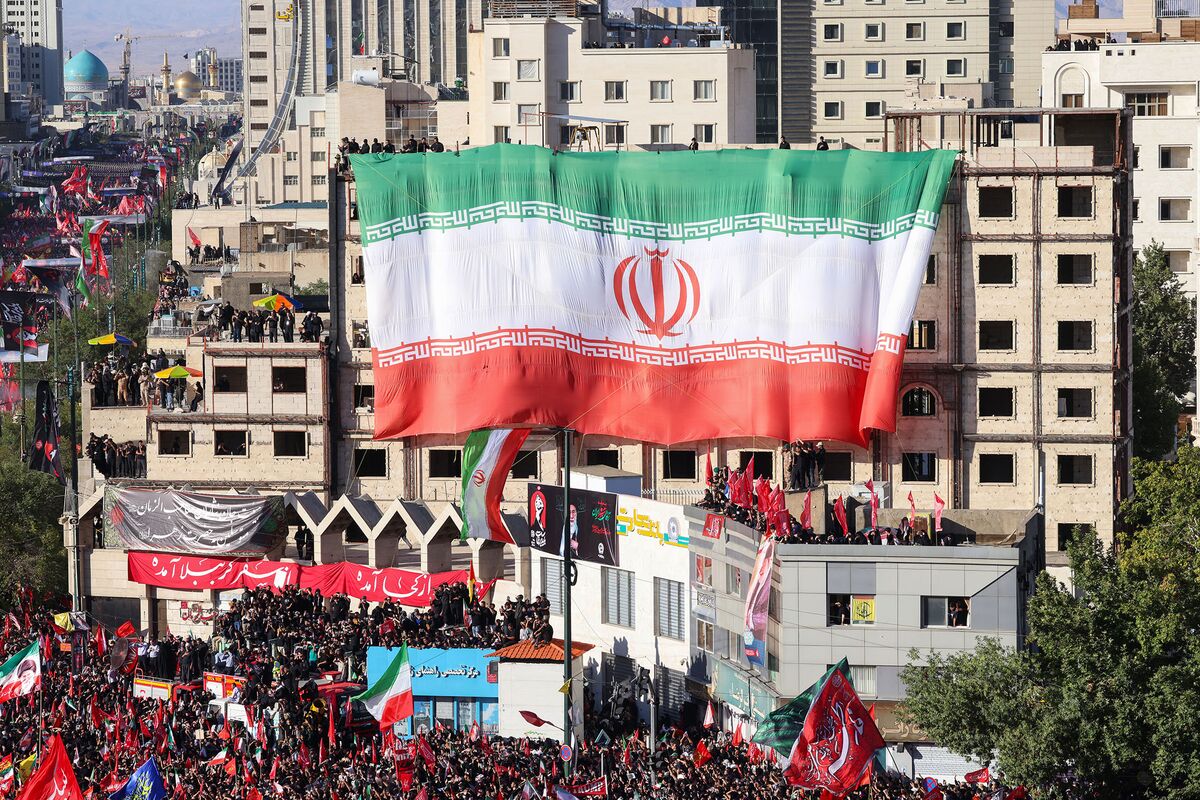
For over 1,000 days, the conflict in Eastern Europe has profoundly affected a region historically marked by instability. The ongoing struggle not only influences the immediate area but also reverberates across global political landscapes. In this context, understanding the implications of this enduring conflict is crucial for both regional and international observers.
The Human Cost of Continued Conflict
As the war drags on, the human toll remains staggering, with countless lives disrupted and communities torn apart. Millions have been forced to flee their homes, seeking refuge in neighboring countries or within their borders. Families are often separated, and the emotional and psychological scars left by such trauma can last a lifetime. The refugee crisis, exacerbated by the conflict, continues to challenge countries throughout Europe, as they grapple with the responsibility of providing shelter and support to those fleeing violence.
In addition to displacement, the ongoing violence has led to a grave humanitarian situation, characterized by food shortages, medical emergencies, and limited access to vital resources. Institutions strained beyond capacity struggle to meet the needs of both displaced individuals and those still living in conflict zones. The resilience of the affected population is commendable, but the situation demands urgent attention to mitigate further suffering.
The International Response and Its Ramifications
The international community has responded in various ways to the ongoing crisis, with nations imposing sanctions on aggressor states and providing aid to affected populations. Humanitarian organizations are striving to deliver vital support, from food and medical supplies to shelter and education for displaced children. However, political dynamics often complicate these efforts. Geopolitical alliances have shifted, leading to a more polarized environment that can hinder effective intervention.
Efforts to bring about diplomatic solutions have made limited progress, with talks often stalling amid ongoing violence. Negotiations are vital to establishing a lasting peace, but achieving consensus among factions remains a significant challenge. Stakeholders must navigate complex relationships and historical grievances, emphasizing the need for sustained dialogue and compromise.
Looking Ahead: Prospects for Peace and Stability
As the conflict drags on, questions about the future of the region loom large. The prospect for peace hangs in the balance, with many analysts suggesting that continued fighting only deepens existing divides. A comprehensive resolution requires a multifaceted approach, balancing military, economic, and social considerations.
Long-term solutions will involve not just ending hostilities but also addressing the underlying causes of conflict. This includes fostering economic stability, promoting social cohesion, and implementing effective governance structures. As history has shown, post-conflict recovery can take years or even decades, making initial steps toward peace absolutely crucial.
In conclusion, understanding the profound impact of a prolonged conflict in Eastern Europe is essential for informed discussions about future implications. As the situation continues to unfold, the need for compassionate action, thoughtful diplomacy, and a genuine commitment to rebuilding lives is more urgent than ever. The resilience displayed by affected communities inspires hope that, despite the challenges ahead, there is potential for a peaceful and stable future.