
The geopolitical landscape in the Middle East remains fluid, marked by crucial military operations and diplomatic discussions. Recently, significant developments have emerged that shed light on ongoing tensions and strategic maneuvers involving key players such as the U.S., Iran, and various regional groups.
U.S. Military Leadership Visits the USS Lincoln
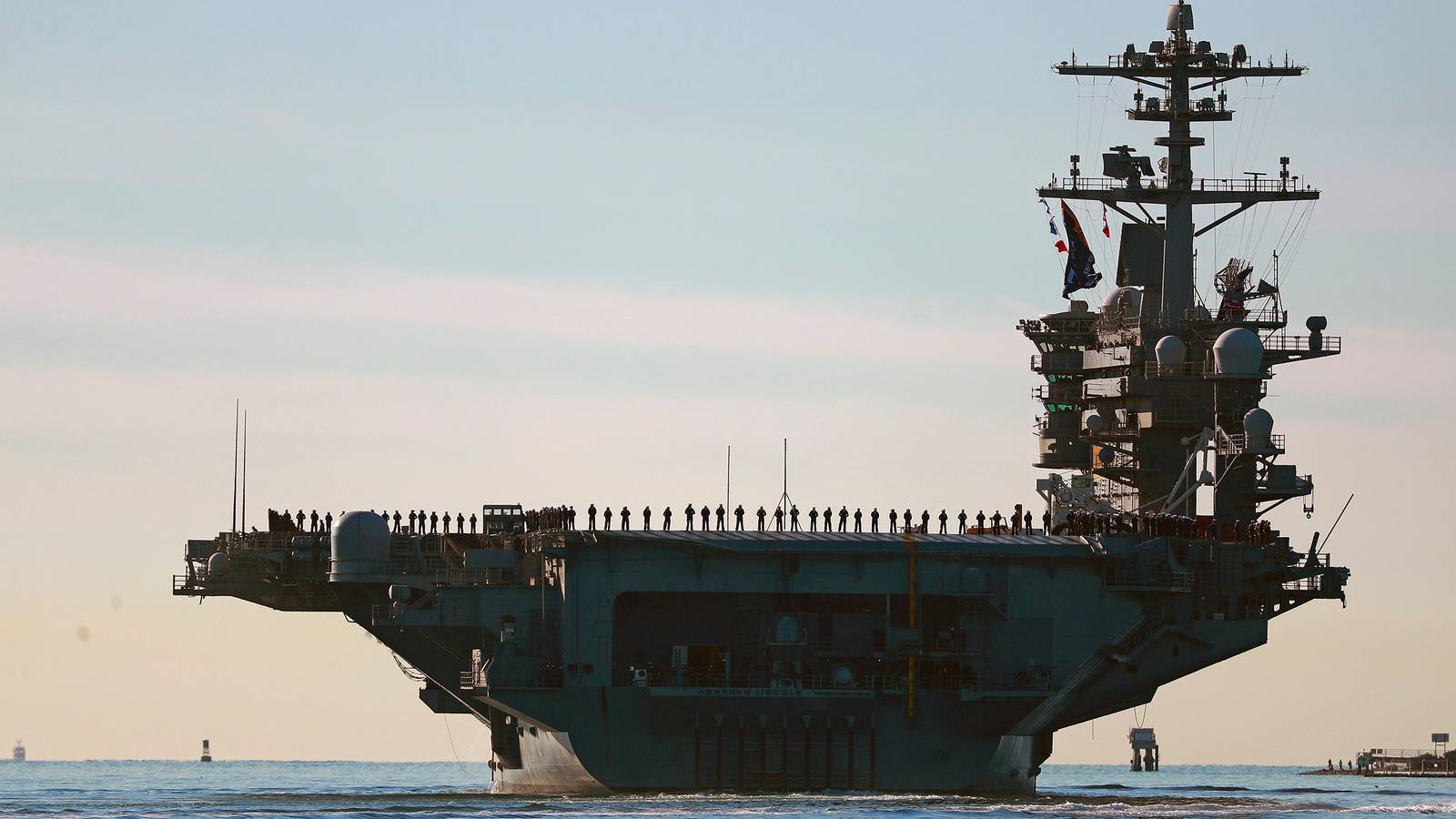
Admiral Brad Cooper, the top U.S. military official in the Middle East, visited the USS Lincoln stationed in the Arabian Sea as part of a wider regional tour. This visit coincides with ongoing challenges that the aircraft carrier has faced, including concerns over mental health and supply issues among its crew. The USS Lincoln has been operational since January, engaging in efforts aimed at countering Iranian influence, particularly surrounding the Strait of Hormuz, which is vital for global oil transport. Admiral Cooper emphasized the operational significance of this deployment, describing it as one of the most intense in recent history, given that the carrier has remained at sea for over 240 consecutive days.
During his visit, Admiral Cooper held discussions with leaders in multiple countries, including Bahrain, Iraq, and Saudi Arabia, focusing on the strategic implications of U.S. military presence and operations in the region. The ongoing blockade imposed by the U.S. Navy is largely a response to Iranian control over critical waterways following military actions initiated in late February. With negotiations between U.S. and Iranian officials stalling, the dynamics in the Strait of Hormuz remain tense.
Hamas Negociates Ceasefire in Cairo
In parallel to military maneuvers, a Hamas delegation led by Khalil al-Hayya arrived in Cairo for negotiations related to a ceasefire in Gaza. Meetings with Egyptian intelligence officials are aimed at reaffirming Hamas’ commitment to peace initiatives, including a controversial plan propagated during the Trump administration to facilitate recovery efforts in the war-torn region. Mediators are advocating for a roadmap that includes the disarmament of Hamas and other militant factions, alongside the withdrawal of Israeli forces.
Israeli Prime Minister Benjamin Netanyahu has publicly rejected this plan, insisting that Israel will not abandon any territory until Hamas is fully disarmed. The current diplomatic climate has left many details of potential agreements uncertain, especially regarding future meetings of international representatives in Cairo and Israel.
Israel Strikes Hezbollah Commanders
The Israeli military recently launched targeted strikes against two commanders from Hezbollah in southern Lebanon, marking the most lethal military operations in the area since a truce was established between Israel and the Iran-backed group. At least 11 casualties were reported, prompting condemnation and escalating tensions further. Israel has claimed that these military actions are necessary for national security and retaliatory measures against prior attacks.
The offensive comes against the backdrop of a framework agreement established in June, designed to enable an Israeli withdrawal from southern Lebanon in exchange for Hezbollah’s disarmament—a demand that the militant group has so far dismissed. The absence of direct negotiations continues to complicate the ongoing conflict and the potential for achieving lasting peace.
Iran’s Allegations Against Qatar and Recent Strikes in Gaza
On the diplomatic front, Iran has accused Qatar of holding three Iranian pilots who disappeared during military operations in March, a claim that Qatar categorically denies. This assertion highlights Iran’s ongoing tensions with regional nations hosting U.S. military bases. Concurrently, an Israeli airstrike in southern Gaza resulted in injuries to five individuals, including a child in critical condition. These incidents illustrate the fragile state of affairs in the region, where military actions and diplomatic negotiations continue to influence each other.
As the situation evolves, the need for robust dialogue and strategic foresight remains paramount—not just for the countries directly involved, but for the broader implications these events carry for stability in the Middle East.