
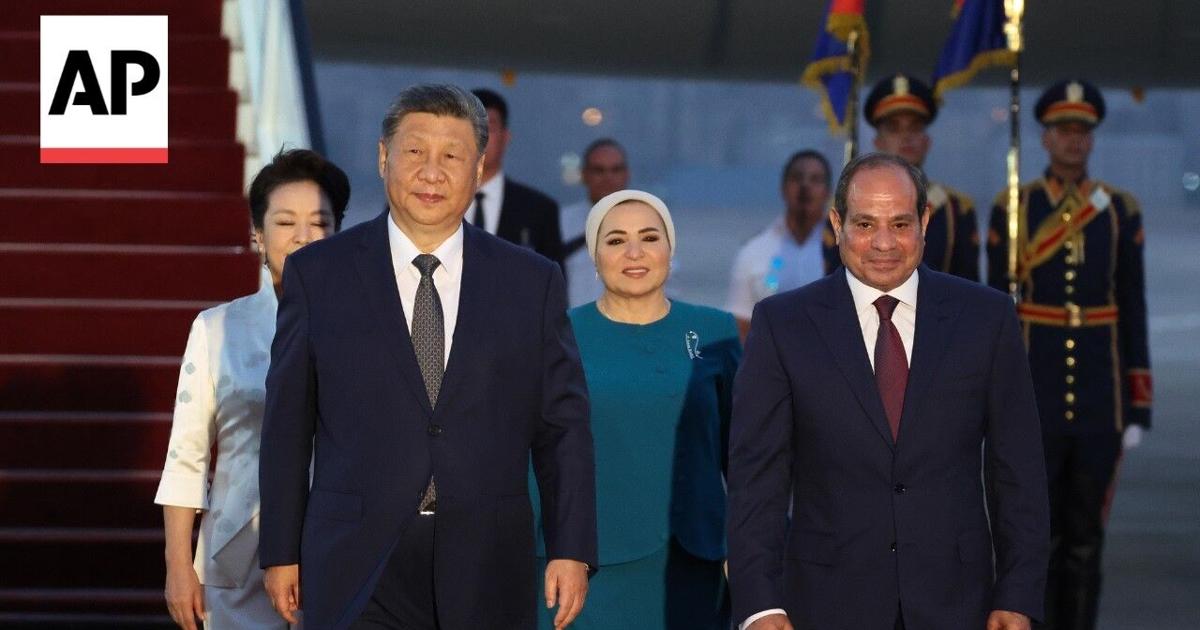
Chinese President Xi Jinping’s recent visit to Cairo marks a significant moment as it is his first trip to the Middle East since the onset of escalating regional conflicts. This visit underscores not only China’s growing influence in Middle Eastern geopolitics but also the importance of this region in China’s broader strategic vision.
Xi Jinping’s Significance in Middle Eastern Diplomacy
Xi’s arrival is a pivotal development for various reasons. Firstly, it highlights China’s intention to strengthen diplomatic relations with Middle Eastern nations. Amidst complex political dynamics, Xi’s presence is seen as an opportunity to forge stronger alliances and promote trade partnerships. His visit signals China’s commitment to being a key player in Middle Eastern affairs, aiming to balance its relationships with multiple stakeholders in the region.
Moreover, this visit plays a crucial role in promoting China’s Belt and Road Initiative (BRI), which seeks to enhance global trade routes and infrastructure development. The Middle East, rich in resources and strategically located, serves as a vital corridor for trade between Asia, Europe, and Africa. By engaging with Middle Eastern countries, Xi aims to bolster economic cooperation and projects that align with China’s long-term economic strategies.
Trade Relations and Economic Collaboration
Economic collaboration is a focal point of Xi’s visit. China and the Middle East have ramped up their trade exchanges over the past few years, with energy resources being a major component of their economic relationship. As the world shifts towards renewable energy, the demand for oil and gas from this region remains robust. Xi’s discussions are anticipated to revolve around solidifying trade agreements that benefit both sides, thereby ensuring a continuous energy supply for China while providing economic growth opportunities for Middle Eastern countries.
In addition to energy, Xi is likely to address investments in various sectors, including technology, agriculture, and infrastructure. By fostering economic ties, China aims to enhance its trade footprint and leverage investments that can spur mutual growth and development.
Implications for Regional Stability
Xi’s visit also raises questions about regional stability. The Middle East is a complex tapestry of alliances, rivalries, and conflicts. With China’s growing engagement, the implications for U.S. influence in the region could be significant. As Xi meets with key leaders, the outcomes of these discussions may shift the balance of power and influence among major players in the region, particularly concerning peace efforts and conflict management.
Furthermore, China’s approach to diplomacy often focuses on non-interference, which may appeal to local governments seeking stable partnerships without the baggage of conditions often linked to Western investments. This strategy can provide Middle Eastern nations with a different avenue for development and relations that prioritizes economic cooperation over political intervention.
In summary, Xi Jinping’s visit to Cairo signals a new chapter in China-Middle East relations, emphasizing the importance of diplomatic ties and economic collaboration. As China navigates its ambitious goals, the Middle East will undoubtedly play a crucial role in shaping its future geopolitical landscape. The outcomes of such visits could have far-reaching implications for regional politics, economic partnerships, and global trade dynamics.