
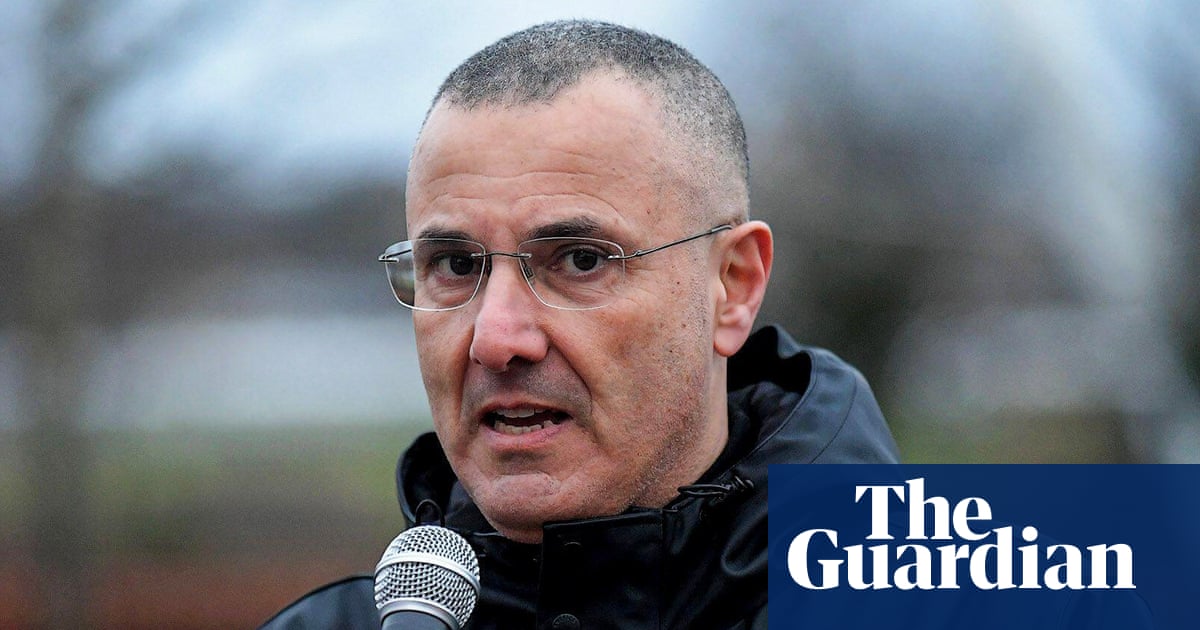
The pressing issue of genocide awareness and action has taken center stage following the recent statements from Omar Barghouti, the co-founder of the Boycott, Divestment, Sanctions (BDS) movement. He emphasized that Britain’s legal and moral responsibility to halt the genocide occurring in Gaza necessitates actions that extend beyond mere trade restrictions or sanctions against specific Israeli entities. This situation raises vital questions regarding the extent of the UK government’s commitment to international law and the accountability it holds toward protecting human rights.
The Limitations of Current Sanctions
Barghouti criticized the UK government’s proposed measures as insufficient, arguing that targeting individual settler groups or extremist politicians serves only as a diversion from the broader obligation to cease all forms of support to Israel. This includes arms exports, trade agreements, and academic collaborations that may, either directly or indirectly, bolster Israel’s illegal occupation of Palestinian territories like Gaza, the West Bank, and East Jerusalem. He labeled these sanctions as “smoke and mirrors,” indicating that they lack the substance needed to foster meaningful change.
Calls for Comprehensive Policy Reforms
In response to escalating tensions, British Foreign Secretary Ed Miliband has pledged to undertake a “comprehensive reset” of the UK’s policies regarding Israel. Reports suggest that a ban on trade with illegal Israeli settlements in the West Bank is on the horizon. While Miliband has condemned the construction plans for new settlements, including the controversial E1 project, he faces numerous challenges. Critics argue that the proposed actions may inadvertently escalate anti-Semitism within the UK, complicating the dialogue around Palestine and Israel.
The Urgency of International Accountability
Barghouti underscored the urgency of addressing the ongoing crisis, citing a July 2024 ruling from the International Court of Justice (ICJ) that deemed Israel’s occupation illegal and potentially genocidal. Such assessments create an imperative for third-party nations like the UK to act decisively, as the ICJ has identified rights violations that warrant preventative measures. According to Barghouti, ending complicity in the occupation is critical. The BDS movement advocates for tangible actions, such as military embargoes and the cessation of economic and academic ties that facilitate the occupation.
The Role of Human Rights Law
Pivotal to Barghouti’s argument is the view that human rights laws must evolve, and he encourages civil society to hold governments and corporations accountable for their complicity. Citing his commitment to influencing international law, he insists that the pursuit of justice cannot solely depend on abstract legal frameworks. Instead, grassroots movements must actively strive for liberation. For Barghouti and other advocates, the BDS campaign aims not just to impose sanctions but to reshape the conversation around ethical responsibility and humanitarian relief.
The discourse surrounding the Gaza crisis continues to unfold, highlighting the complexities of international politics and human rights obligations. It challenges nations to reassess their roles, questioning how much they are willing to invest in protecting vulnerable populations and adhering to international law. The path forward remains uncertain, yet the call for accountability persists as a crucial element in the quest for justice and peace.