
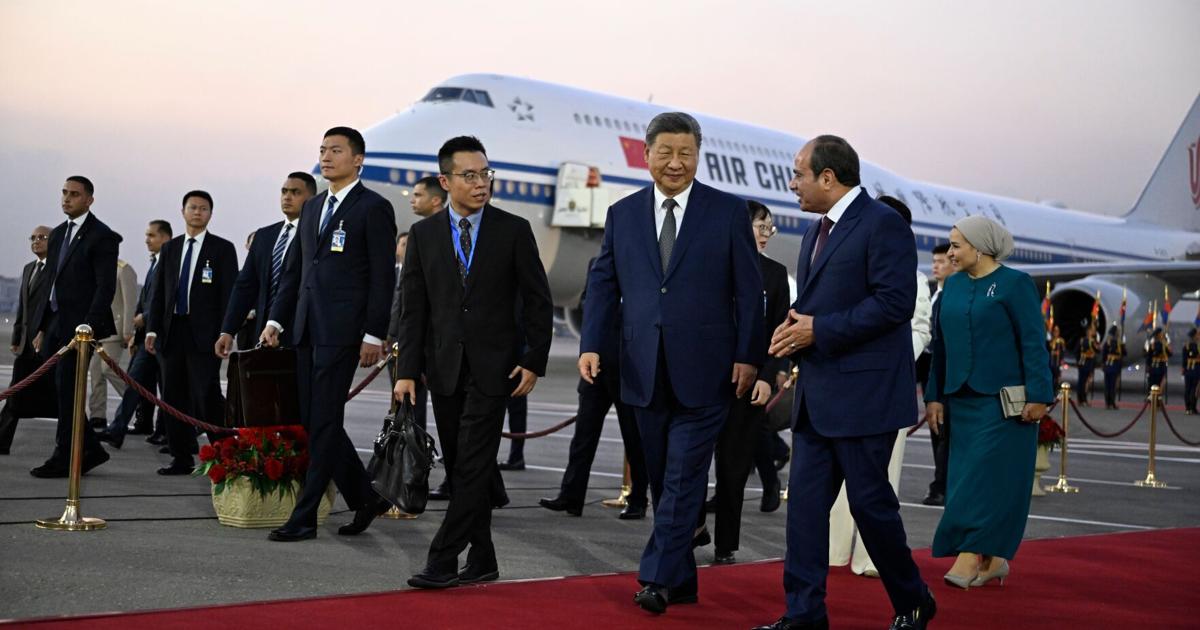
Chinese President Xi Jinping’s recent trip to Egypt signifies more than a mere diplomatic visit; it highlights a critical juncture in the evolving landscape of international relations. The meeting between these two nations offers a remarkable chance to enhance bilateral cooperation and mutual interests.
A New Era of Bilateral Relations
Xi Jinping’s journey to Egypt underscores a significant shift in diplomatic engagement between China and Egypt. With this visit, both countries aim to bolster their economic ties, thus paving the way for future collaboration. Diplomatic discussions will largely focus on trade agreements, investments, and infrastructure projects, encouraging an exchange that aligns with the strategic objectives of both nations.
China has consistently sought to expand its influence in Africa, and Egypt plays a vital role in this strategy. The country acts as a gateway to the continent, providing access to various markets and resources. In return for Egypt’s strategic location and potential, China is poised to inject investments into key sectors, including renewable energy, technology, and transportation.
Economic Opportunities
The potential economic benefits of Xi’s visit are immense. Targeted discussions are likely to revolve around sectors that can catalyze growth and innovation. For instance, joint ventures in renewable energy projects could align with Egypt’s vision of sustainable development, while leveraging Chinese technology can modernize various Egyptian industries.
Egypt, on the other hand, will benefit from Chinese investments that could lead to job creation, infrastructure development, and the enhancement of local capacities. This synergy is particularly crucial as Egypt navigates economic challenges and works towards achieving stability and growth. The diversification of trade partners also strengthens Egypt’s economy, reducing reliance on a limited number of allies.
Cultural and Educational Exchanges
Beyond economics, Xi Jinping’s visit opens avenues for enriching cultural and educational exchange between the two nations. Enhanced collaboration in academia and student exchange programs can cultivate mutual understanding and foster long-term relationships. By investing in education, both countries can build a foundation for future leaders who understand the intricacies of their bilateral ties.
Cultural initiatives could also be explored, offering opportunities for knowledge-sharing and crafting a positive narrative that resonates with younger generations in both China and Egypt. Such exchanges not only enrich cultural identity but also set the groundwork for a collaborative future rooted in shared values and mutual respect.
The Broader Implications for Global Politics
Xi’s engagement with Egypt is representative of a broader geopolitical trend; as nations strive for economic stability and geopolitical significance, forming alliances becomes imperative. This partnership aligns with China’s Belt and Road Initiative, which envisions enhanced connectivity and partnerships across continents. As a key player in this initiative, Egypt stands to gain both strategically and economically.
In conclusion, Xi Jinping’s visit to Egypt marks a pivotal moment for both nations. By reinforcing economic ties, enhancing cultural exchanges, and positioning themselves within the larger geopolitical framework, China and Egypt are setting the stage for a prosperous and mutually beneficial relationship in the years to come.