
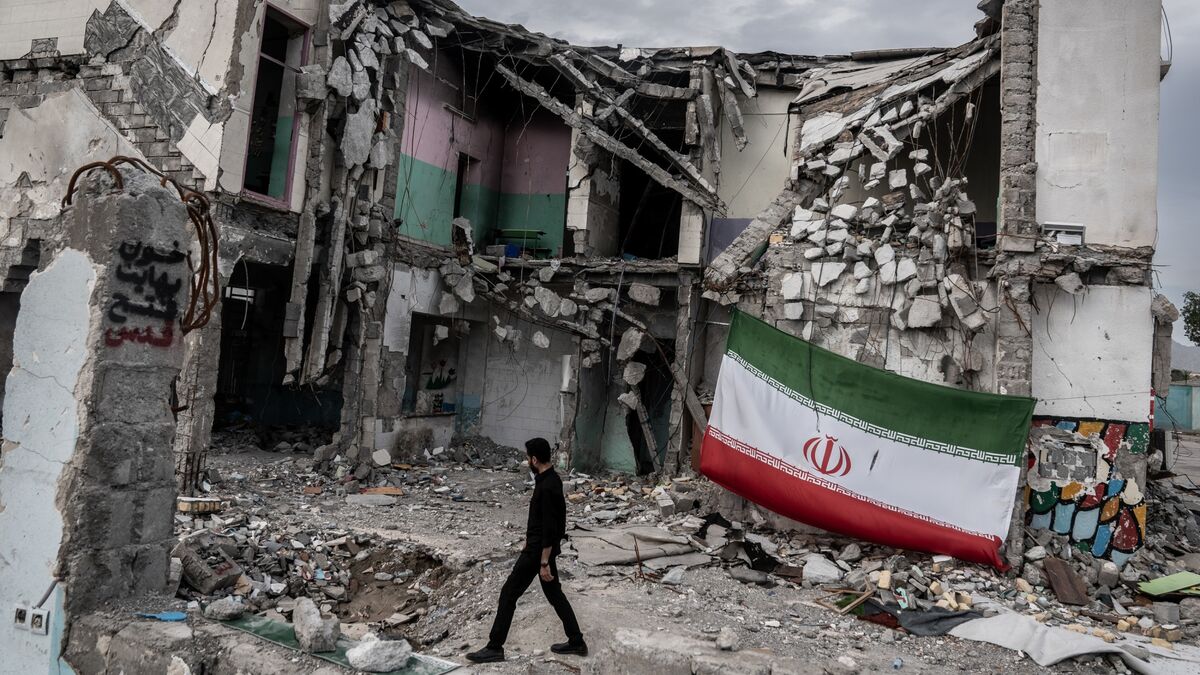
An investigation into a tragic attack on an elementary school in Iran has brought to light some significant oversights from intelligence analysts. These missed remarks and the subsequent errors have raised crucial questions about the effectiveness of intelligence operations amid escalating violence in the region.
Understanding the Context of the Incident
The recent assault was not an isolated event but rather a culmination of ongoing tensions and violence in the area. The school, which was a place meant for nurturing education, became a harrowing scene of chaos and destruction. In the heart of a community, it served as a stark reminder of how vulnerable such institutions are in times of conflict.
In the investigation, it was revealed that intelligence analysts had information leading up to the attack that was either overlooked or inadequately addressed. The failure to act on this critical data has drawn attention to the need for improved communication and analysis within intelligence agencies. Clarity in interpreting and responding to intelligence is essential, especially when the safety of civilians rests on these analyses.
The Consequences of Missed Intelligence
In matters of national security, every piece of information can have profound implications. The missed remarks from analysts not only highlight gaps in intelligence processing but also serve as a call to action for reform. The aftermath of the attack continues to ripple through the community, leaving behind traumatized families and a sense of insecurity.
An essential takeaway from this incident is the recognition that intelligence operations must evolve to ensure they can preempt and respond effectively to threats. The implications are significant — lives could potentially be saved if authorities can cultivate a more proactive approach. It emphasizes the urgency of enhancing training for analysts and improving the channels for sharing vital intelligence across agencies.
Implementing Change for Future Safety
In the wake of this tragedy, the focus should shift toward establishing more robust analytical frameworks and stringent protocols for evaluating risks. Authorities must consider investing in advanced technologies to support analysts in their efforts to decipher vast amounts of data from diverse sources. Additionally, fostering a culture of accountability within intelligence agencies will be vital in ensuring that every piece of information is given the attention it deserves.
Moreover, engaging with local communities can provide intelligence analysts with unique insights, making their assessments more nuanced and reliable. By strengthening ties with the populace and promoting transparency, intelligence agencies can enhance their operational effectiveness.
Conclusion: A Call to Action
The investigation into the deadly strike on the Iranian elementary school serves as a sobering reminder of the critical importance of effective intelligence management. The consequences of overlooked information extend beyond immediate loss; they echo through communities and create long-lasting impacts on societal stability.
As we reflect on these events, it becomes increasingly clear that reform in intelligence operations is not merely advisable but essential. By addressing the shortcomings highlighted in this investigation, authorities can work towards preventing similar tragedies in the future and ensuring that schools remain sanctuaries of learning and growth.