
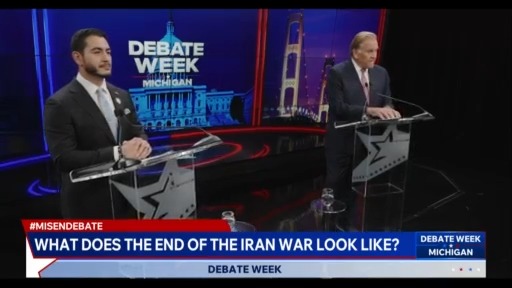
In the highly charged political landscape of Michigan, both Abdul El-Sayed, the Democratic candidate, and Mike Rogers, the Republican contender, have voiced a significant stance: an end to the ongoing conflict in Iran. As the U.S. Senate race heats up, understanding their perspectives sheds light on how such a resolution might unfold.
El-Sayed’s Perspective on Ending the Conflict
Abdul El-Sayed advocates for a diplomatic approach to resolve the tensions in Iran. He emphasizes the importance of fostering dialogue and building relationships not just with Iran, but with other nations involved. El-Sayed believes that the U.S. should engage in negotiations aimed at de-escalating military presence and economic sanctions, which he argues disproportionately affect civilians. By prioritizing diplomacy, El-Sayed envisions a strategy that strengthens alliances and promotes global stability.
Furthermore, El-Sayed’s position highlights the importance of human rights concerns. He is committed to advocating for policies that support the Iranian populace in their quest for democratic freedoms. His vision involves a more empathetic engagement that acknowledges the complexities of Iranian society and politics, moving beyond mere military solutions to embrace a broader understanding of regional dynamics.
Rogers’ Approach to National Security
On the other side of the aisle, Mike Rogers acknowledges the need for a change in strategy regarding Iran but emphasizes a robust national security framework. He argues that while diplomacy is crucial, there must also be a clear readiness to defend U.S. interests. Rogers stresses the importance of holding Iranian leadership accountable and presents a more cautious stance toward negotiations, insisting on a verification mechanism to ensure compliance with any agreements made.
Rogers asserts that ending the conflict should not sacrifice the safety and security of American citizens. He calls for a balanced approach that combines diplomatic efforts with a strong military deterrence. This dual strategy, he believes, would send a clear message to Iran while also reassuring allies in the region of America’s commitment to maintaining stability.
The Importance of a Bipartisan Effort
Both candidates emphasize that addressing the issue of Iran requires a bipartisan approach. El-Sayed and Rogers agree that ongoing conflict drains resources and attention from pressing domestic issues such as healthcare and education. By cooperating on foreign policy, they assert that Congress can better tackle these critical domestic challenges, creating a united front that prioritizes American values and interests.
The necessity for collaboration extends beyond the political realm as well. Engaging various stakeholders, including international allies, non-governmental organizations, and humanitarian groups, can create a more comprehensive strategy for ending hostilities. Both candidates encourage inclusivity in the conversation around Iran, recognizing that the complexities of foreign policy demand diverse perspectives.
In conclusion, the positions of Abdul El-Sayed and Mike Rogers on the Iranian conflict reflect a broader dialogue about U.S. foreign policy. While their strategies differ—diplomatic versus security-focused—their collective call for an end to hostilities highlights a crucial moment in Michigan’s U.S. Senate race. By focusing on bipartisan solutions and engaging multiple stakeholders, a sustainable pathway toward peace in Iran may become a reality. This, ultimately, serves both the interests of the United States and the Iranian people in their pursuit of a stable and prosperous future.