
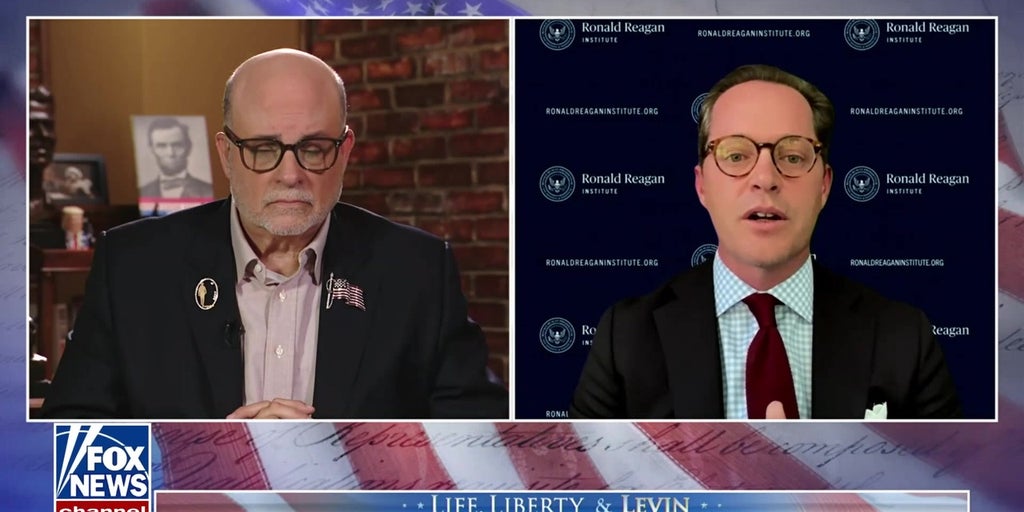
In a recent episode of ‘Life, Liberty & Levin,’ Roger Zakheim, director of the Ronald Reagan Institute, shared insights on the American public’s perspective towards the Iranian regime and the evolving memorandum of understanding (MOU) between the United States and Iran. This discussion sheds light on the complex dynamics of U.S.-Iran relations and the factors influencing public opinion on this critical geopolitical issue.
Understanding American Public Sentiment on Iran
The perception of Iran among the American populace has historically been shaped by various events and policies. Over the years, many citizens have developed a skeptical view of the Iranian government, mainly due to its controversial actions and rhetoric. Zakheim emphasizes that these feelings are not unfounded, as Iran has frequently been at odds with U.S. interests in the region, particularly through its nuclear ambitions and support for terrorism. This skepticism is further fueled by media reports that often highlight Iran’s aggressive postures rather than the perspectives of regular Iranians. Understanding this backdrop is essential in navigating U.S.-Iran relations.
The Role of Diplomatic Agreements
Diplomatic efforts such as the MOU between the U.S. and Iran aim to mitigate tensions and foster a more peaceful coexistence. However, the effectiveness of these agreements often hinges on public backing. Zakheim notes that even well-intentioned agreements can falter without robust support from the populace. Public sentiment can change rapidly, especially when perceived threats arise. Therefore, it is crucial for policymakers to communicate the benefits of these agreements clearly. This entails not only addressing the immediate concerns of security but also highlighting long-term advantages, such as the potential for regional stability and economic benefits.
Impact of Domestic Politics
Domestic politics play a pivotal role in shaping public opinion about Iran. According to Zakheim, various political factions can greatly influence how citizens view international relations. The discourse surrounding Iran often becomes polarized, where opinions align closely with party lines. Republicans and Democrats may see the Iranian regime through very different lenses, affecting public perceptions and the feasibility of bipartisan support for diplomatic measures. This dynamic complicates efforts to achieve a unified stance on foreign policy, including relations with Iran.
The Path Forward
As discussions around the U.S.-Iran memorandum continue, Zakheim asserts that it is vital for both governments to ensure transparency and foster a dialogue that resonates with the American people. Listening to public concerns and addressing them responsibly can lead to more sustainable diplomatic efforts. Engaging various stakeholders, including think tanks, policymakers, and the general public, can facilitate a broader understanding of the complexities in U.S.-Iran relations. Building a solid base of public support can create a robust environment for diplomacy, requiring both sides to commit to respectful and constructive dialogues.
In summary, the complexities of U.S.-Iran relations heavily influence American public opinion. As Zakheim points out, understanding these sentiments will be critical for the future of any diplomatic engagements. By addressing public concerns and fostering informed discussions, both nations can work toward establishing a more stable and peaceful relationship.