
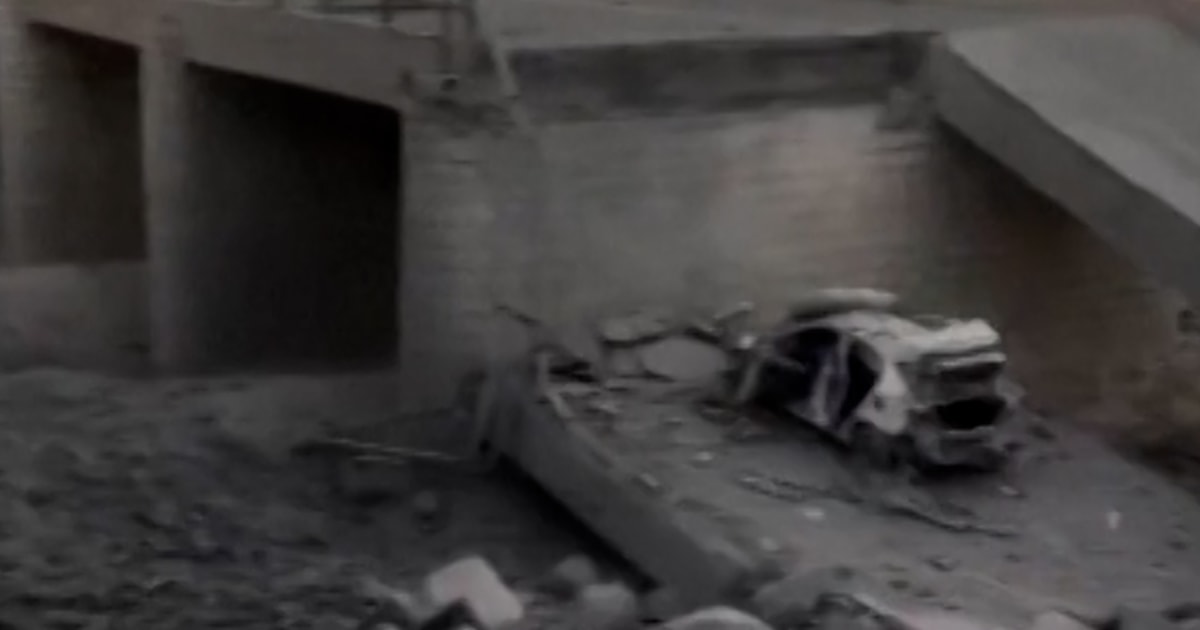
In today’s ever-evolving digital landscape, staying current with the latest news and updates is crucial. Understanding global events can affect various aspects of daily life, including market trends, economic shifts, and personal safety. This article delves into some significant occurrences that have recently shaped the geopolitical climate, particularly focusing on tensions between the U.S. and Iran and their implications in Qatar.
Recent U.S.-Iran Tensions
Tensions between the United States and Iran have escalated considerably in recent months, characterized by a series of military strikes and diplomatic confrontations. These incidents are often reported with urgency, indicating the potential for broader regional instability. The U.S. has been monitoring Iran’s military movements closely, leading to strategic responses aimed at curbing any aggressive actions. The situation remains fluid, with developments unfolding on a daily basis.
The Middle East is a volatile region, and these tensions have far-reaching implications. The historical context of U.S.-Iran relations is filled with conflicts, and recent actions only seem to exacerbate the situation. Both nations have engaged in actions that not only reflect their interests but also signal to their allies and adversaries. It raises questions about future alliances and the stability of neighboring countries.
Impact on Qatar
Qatar, a small but influential nation in the Gulf region, finds itself at the center of this geopolitical tension. As the U.S. and Iran engage in military posturing, Qatar’s strategic position becomes critical. The country hosts a significant U.S. military base, which serves as a pivotal point for operations in the region. This connection has led Qatar to maintain a delicate balancing act, simultaneously fostering relationships with both the U.S. and Iran.
The ramifications of escalating tensions can be detrimental not only to Qatar’s political stability but also its economic interests. The nation has been making strides in various industries, including finance and tourism, aiming to diversify its economy away from oil dependence. However, ongoing conflict can deter foreign investment and disrupt trade routes, ultimately affecting its growth trajectory.
Looking Ahead
As the situation continues to evolve, it’s important for analysts and the general public to stay informed. Understanding these dynamics allows individuals to grasp the complexities of international relations and their local implications. The dialogues and decisions made in the coming weeks and months will likely have lasting effects on the geopolitical landscape.
In conclusion, the escalating tensions between the U.S. and Iran, particularly as they relate to Qatar, underline the intricate web of global politics. Observers should remain vigilant and informed, as the repercussions of these events could extend far beyond the Middle East, influencing global markets and international relations for years to come. Keeping abreast of such developments is vital for anyone engaged in business or politics today.