
Tehran’s Aggressive Posture in Response to Recent Tensions
In light of recent geopolitical tensions, particularly involving the bombing initiated by former President Donald Trump and Israeli Prime Minister Benjamin Netanyahu, Iran appears to be intensifying its threat posture within the UK. While Britain’s direct involvement in these events may be limited, the implications for security and public safety are becoming increasingly pronounced.
Potential Threats to UK Military Installations
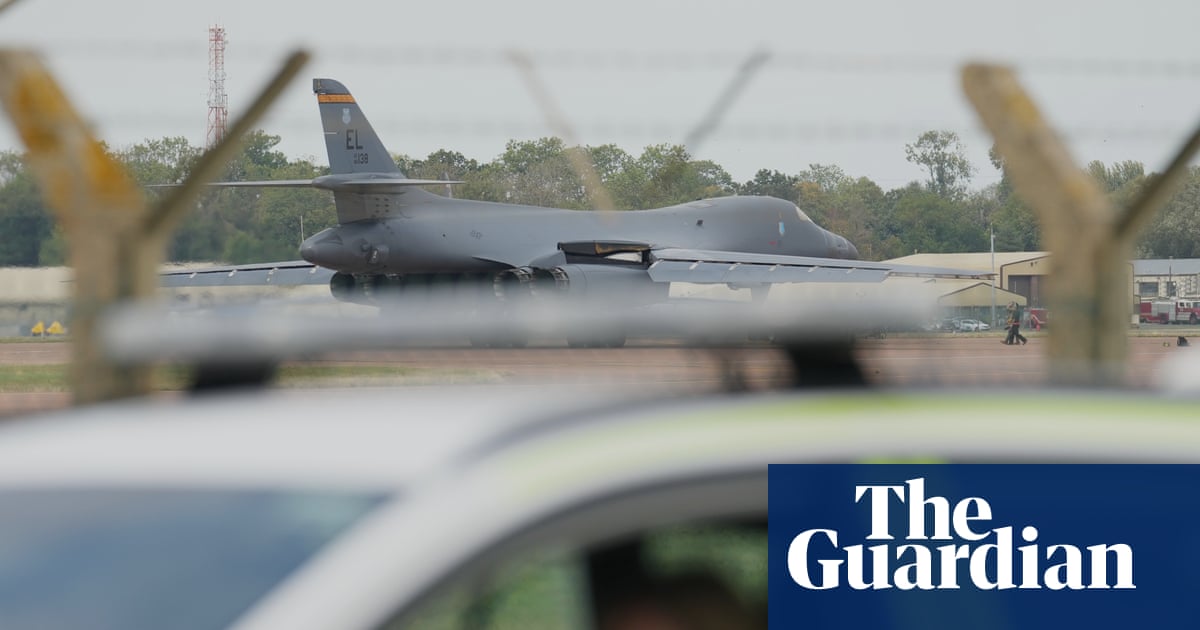
Recent incidents, such as the confusing episode near RAF Fairford, have triggered concerns among Western officials about the possibility of Iran targeting U.S. military installations in Europe, including key bases like the one in Gloucestershire. Although there is skepticism regarding Iran’s ability to execute a drone strike on a secure site so far from its borders, security agencies remain alert to the potential for Iranian aggression.
MI5 acknowledges that the Islamic Revolutionary Guard Corps (IRGC) has been actively orchestrating attacks against Jewish communities in the UK and across Europe. This escalation began in March and has manifested through a series of arson incidents targeting synagogues and related establishments. Such actions mark a significant shift from the IRGC’s historical reliance on third-party criminal organizations for executing assassination plots against dissidents abroad.
The RAF Fairford Incident: An Enigmatic Development
The specifics of what transpired at RAF Fairford remain unclear. On September 27, five individuals from London were apprehended in Whelford, a village adjacent to the airbase. Initial investigations revealed no explosives or coherent plans, leading to their release. Meanwhile, two additional suspects have been detained for alleged terror offenses, though they too have been released on bail. This uncertain status has led UK authorities, including Prime Minister Andy Burnham, to publicly express concerns about Iran’s involvement.
RAF Fairford is a crucial site, frequently used by U.S. bombers for missions against Iran. Given its exposure, security risks are ever-present. Expert commentators highlight that with Iran’s established track record of targeting its opponents, it is wise to consider that the regime may be eyeing a broader range of targets beyond the Fairford incident.
Intelligence and Military Responses
Despite some experts doubting Iran’s capability to launch a significant attack, the U.S. has opted to withdraw its B-1 bombers from RAF Fairford as a precautionary measure, reflecting heightened concerns about potential drone strikes. Military analysts point out that executing such a sophisticated operation would require significant resources and training, which Iran may lack.
This week, a U.S. congressional report disclosed extensive damage to military assets during the ongoing conflict with Iran, further underscoring the serious nature of the threat posed by Tehran. This information raises alarms about Iran’s ability to retaliate against foreign military bases effectively, reinforcing the notion that while immediate risks might seem low, the potential for escalating threats remains real.
Furthermore, recent arrests of Iranian nationals linked to attacks targeting Jewish communities in the UK serve as stark reminders of the ongoing threats. Prosecutors correctly refer to these instances as part of a broader strategy coordinated by elements in Iran, aimed at instilling fear and disrupting social cohesion.
The evolving situation necessitates vigilance as Iran continues to assert its influence and threats not just in the Middle East, but also within Western territories. The psychological impact of such attacks can resonate far beyond any immediate damage, fostering divisions between Western nations and raising questions about future security measures.
In conclusion, even as the investigation into the Fairford incident unfolds, the persistent Iranian threat underscores the broader geopolitical complexities implicating the UK and its allies. The recent actions by both radical elements within Iran and corresponding military responses highlight the intricate balance of power at play.