
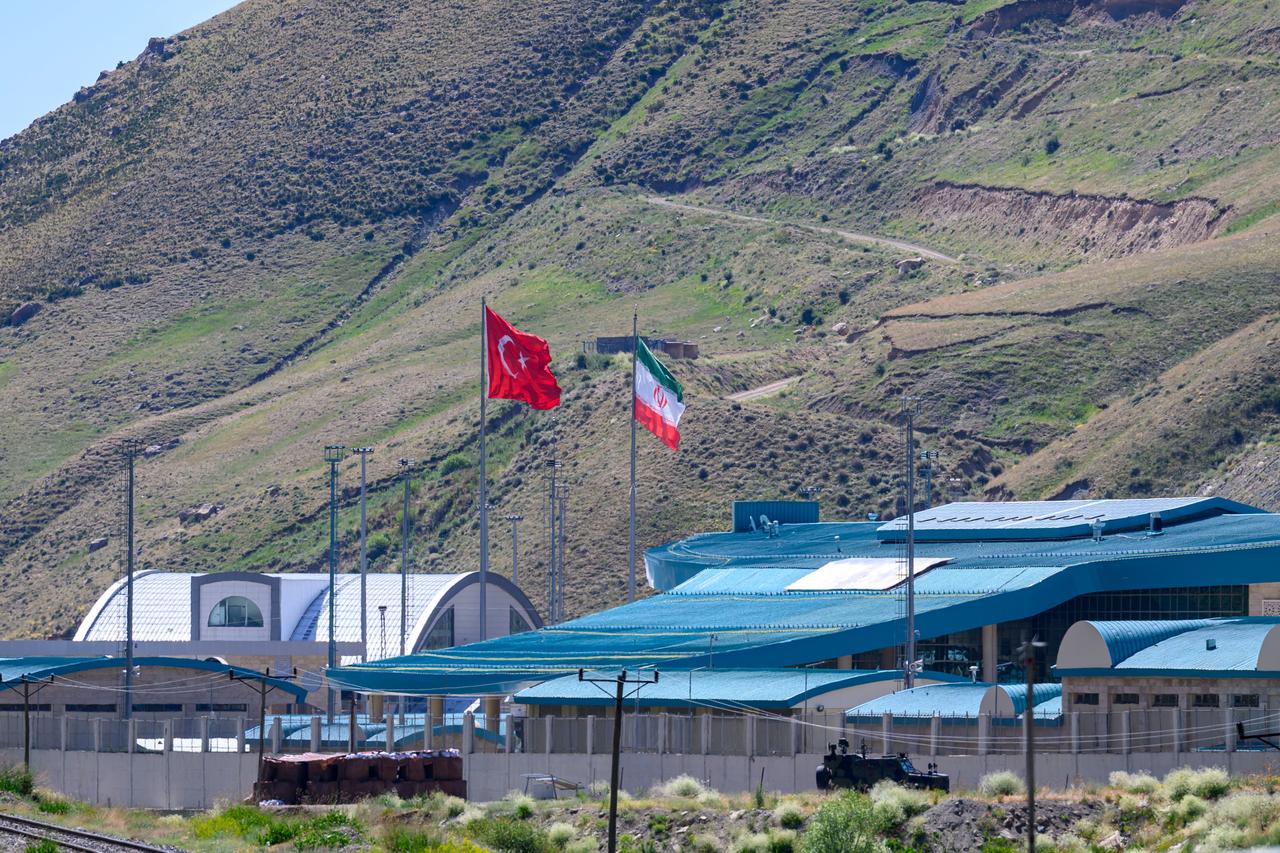
The United States is intensifying its efforts to isolate Iran by collaborating with Türkiye and Pakistan to cut off the country’s overland trade routes. In a recent statement, U.S. Treasury Secretary Scott Bessent described this initiative as an “absolute isolation campaign” against Iran, emphasizing potential plans to confiscate approximately $1 billion in Iranian cryptocurrency.
Collaboration with Türkiye and Pakistan
Bessent highlighted the significant roles of Türkiye and Pakistan, both of which share borders with Iran and act as vital land corridors for Iranian trade. Their cooperation aims to extend the U.S. naval blockade, effectively sealing off Iran’s access to international markets through land routes. Although Bessent’s comments have not been officially responded to by either Turkish or Pakistani officials, the implied partnership suggests a concerted effort to disrupt Iran’s trade.
Transitioning Strategies: From ‘Maximum Pressure’ to ‘Absolute Isolation’
In his remarks, Bessent explained the shift from a “maximum pressure” strategy to an “absolute isolation” approach, asserting that the new tactics are proving effective. He stated that the U.S. has established blockades that prevent any goods from entering or exiting Iran. Remarkably, he forecasted that for the first time in Iran’s oil-exporting history, there may be no oil available for sale due to these restrictions. According to Bessent, the psychological impact has already begun to unfold among members of Iran’s Islamic Revolutionary Guard Corps (IRGC), leading to what he termed a “panic” within their ranks.
Targeting Land Routes, Flights, and Cryptocurrency
The U.S. is also focusing on restricting airline access for IRGC members, describing how they can no longer travel as freely for personal matters to destinations like London or Paris. Bessent emphasized that those committed to Iran will find themselves economically and socially confined. He also indicated imminent plans to seize a significant sum in cryptocurrency, further bolstering the financial isolation strategy aimed at Tehran. These comprehensive measures reveal a robust framework to economically isolate Iran.
Impact on the Iranian Economy
Inside Iran, the effects of the blockade and ongoing conflict are palpable. Many shopkeepers are experiencing a marked decline in demand, leading to severe inflation rates that reached nearly 90% year-on-year in September. Rising food prices and general economic instability have compelled many businesses to shut down or lay off employees, as shopkeepers confirm a stark reduction in customer purchasing behavior. For example, fruit sellers report that customers who once bought in bulk are now opting for smaller quantities as their purchasing power diminishes.
Officially, the Iranian rial has plummeted against the dollar, traded at about 2.7 million to one last week compared to 1.7 million prior to the conflict. Furthermore, official reports indicate a concerning contraction of 10.1% in Iran’s GDP between March and June. While the Iranian economy minister has dismissed rumors of an impending collapse as efforts by enemies to incite fear, the challenges posed by the U.S.-led measures on land routes are increasingly evident.
The ongoing conflict initiated by the U.S. and Israel has already resulted in significant casualties, and while a ceasefire was established in April, subsequent tensions have continued to flounder peace efforts. Longer-term negotiations have been stalled, highlighting the complex geopolitics surrounding Tehran and its stakeholders. As the U.S. maintains its stance on isolating Iran, it remains to be seen how this will unfold amid existing regional tensions and economic challenges.