
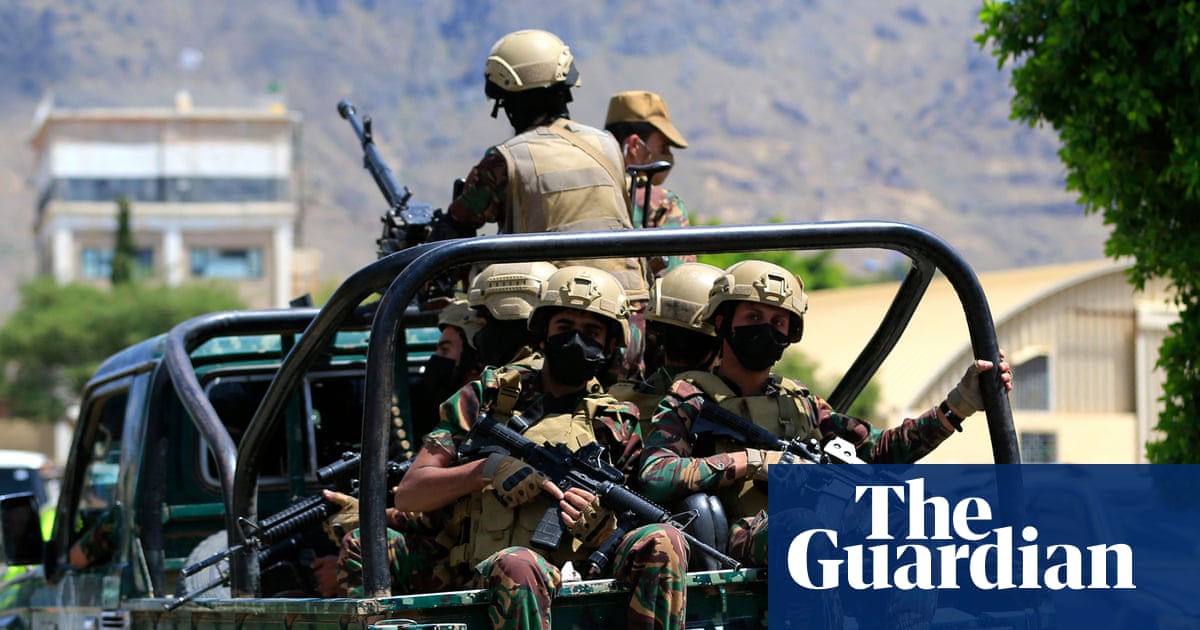
The geopolitical tensions in the Gulf region have escalated, particularly concerning the strait of Hormuz, following the postponement of a crucial meeting between Gulf states and Iran. This delay has been attributed to a lack of consensus among Arab nations and growing tensions driven by Saudi Arabia’s displeasure with Tehran’s support of Houthi rebels in Yemen. As the situation continues to evolve, the implications for regional stability and oil prices are becoming increasingly pronounced.
Missile Attacks and Pipeline Closures
The stagnation surrounding the strait of Hormuz coincides with a series of missile and drone strikes from the Houthi rebels targeting Saudi military installations. A spokesperson from the Houthis confirmed that they had successfully targeted strategic locations, including the King Khalid airbase, impacting various military operations. The situation worsened last week when militias, backed by Tehran, led Saudi Arabia to shut down a vital pipeline, hampering its oil export capabilities and exacerbating existing tensions.
These developments have contributed to a spike in oil prices, which surged past $108 a barrel. The combined effects of the pipeline closure, the halted Hormuz meeting, and the Houthi’s recent territorial advances in Yemen—including seizing control of the Bab al-Mandab strait—paint a picture of a precarious energy landscape. All of these events underscore the fragility of maritime trade routes that are crucial for oil transport.
Failed Diplomatic Efforts
The planned Gulf Cooperation Council-Iran meeting, which aimed to create a temporary shipping route for commerce during the strait’s reopening, was postponed at the last moment. Oman’s foreign minister cited the need for broader consensus to support regional stability as the reason for the delay, although no further details were provided. The initial meeting was not expected to yield immediate results due to Tehran’s stipulations, including demands for the lifting of U.S. sanctions and a ceasefire in Lebanon.
Despite these hurdles, the meeting was to be significant as it would have marked the first talks between Iran and the major GCC countries in two years. The proposed agreement would have essentially formalized Iran’s control over shipping routes, as the designated entry would have been situated entirely within Iranian territorial waters.
Impact on Regional Stability
As tensions mount, the atmosphere surrounding the postponed meetings has soured further due to the pace of the Houthis’ advances in Yemen and missile attacks on Saudi infrastructure. The situation has led Saudi Crown Prince Mohammed bin Salman to seek urgent discussions with U.S. military officials to navigate the complex developments in the region. While the U.S. has previously offered logistical and intelligence support, there are indications that Saudi Arabia is looking for more robust military assistance.
The fallout from these events has been devastating, with civilian casualties reported in the latest conflict and thousands of displaced individuals. As the Houthis continue to assert their dominance, including at strategic chokepoints like the Bab al-Mandab, the potential for increased violence and instability remains high, raising concerns about the future of peace negotiations and humanitarian conditions in Yemen.
In conclusion, the entangled web of politics, military strategies, and economic repercussions surrounding the Gulf states and Iran indicates a situation that is evolving rapidly. As regional actors grapple with their interests and alliances, the outcomes of these tensions will undoubtedly have lasting effects on energy markets, geopolitical relations, and the humanitarian landscape in Yemen and beyond.