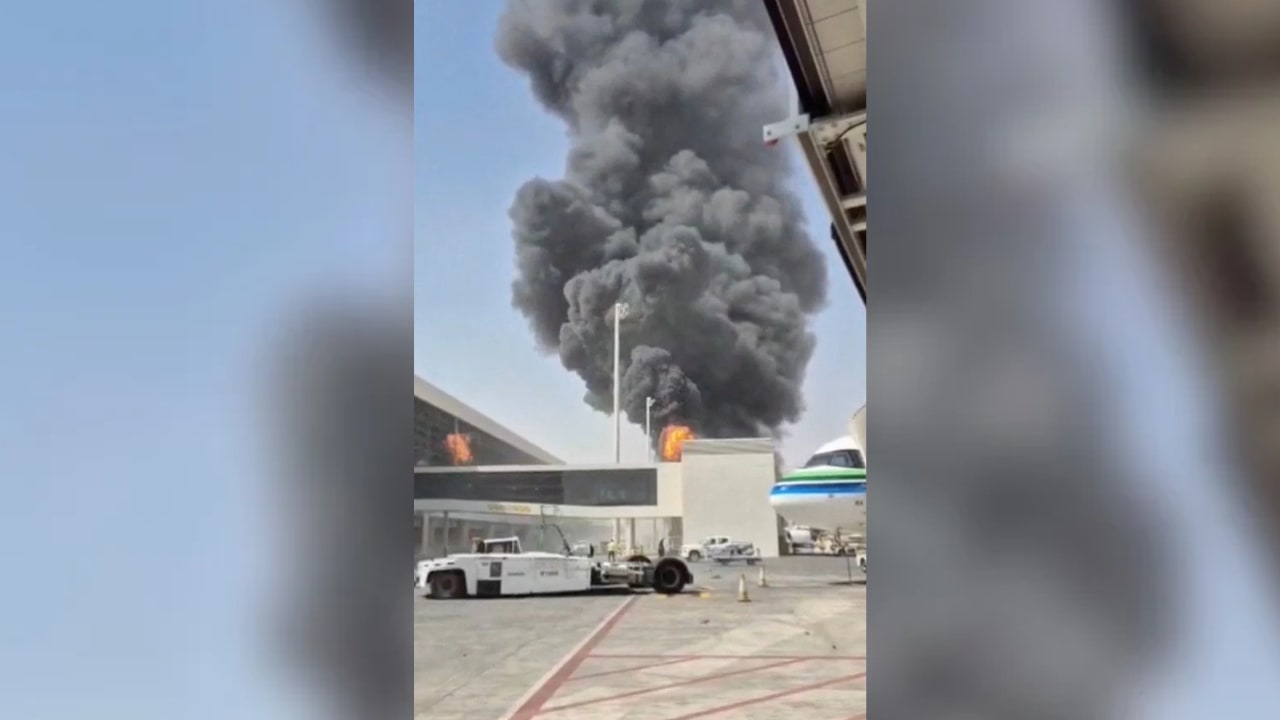
Recent drone and missile strikes by Yemen’s Iran-backed Houthi group on Saudi Arabia have escalated significantly, as confirmed by a report from The Wall Street Journal. These operations are allegedly facilitated by targeting intelligence sourced from Iran, highlighting a close operational synergy between the Houthis and the Islamic Republic. This intricate relationship poses significant implications for regional stability and geopolitical dynamics in the Middle East.
Intelligence Links Between Iran and the Houthis
According to former Israeli intelligence official Danny Citrinowicz, the nexus of intelligence between Iran and the Houthis is robust at an operational level. Citrinowicz, who previously led the Iran branch of Israeli defense intelligence, emphasized that Iran has a vested interest in the Houthis’ success. “It undermines Saudi Arabia,” he noted, adding that such conflicts inevitably lead to rising oil prices. In his view, the relationship is not merely client-patron but a collaborative strategic alliance serving mutual goals.
Escalating Attacks on Saudi Arabia
Recent military activities by the Houthis have intensified, particularly their strikes against Saudi strategic locations, including an assault on the presidential palace complex that resulted in five casualties and an attack on Riyadh’s King Khalid International Airport, claiming 17 lives and injuring over 300 people. This uptick in aggression showcases the Houthis’ growing capabilities, potentially underscored by Iranian support and strategic planning.
The Role of Iranian Influences
These developments have drawn attention from various security analysts. The Soufan Center, a New York-based think tank, echoed the sentiment that these Houthi strikes enhance Iran’s power projection in the region. Despite Iranian officials’ denials regarding any direct involvement with the Houthis—including statements from Iran’s Foreign Ministry claiming that the Houthis operate independently—evidence suggests the contrary. Members of Iran’s Islamic Revolutionary Guard Corps (IRGC) have openly praised the recent assaults on Saudi interests, reinforcing doubts about Iran’s denials.
External Assistance and Military Gains
Yemen expert Adam Baron underscored that the Houthis’ recent military successes are undeniably linked to external Iranian assistance. He emphasized that support from Iran and other allied entities has facilitated the rapid expansions the Houthis have witnessed in recent months. This assertion echoes a broader understanding within intelligence and security circles that external influences play crucial roles in shaping the outcomes of conflicts in the region.
As these developments unfold, they reflect a complex web of alliances and hostilities that significantly impact geopolitical stability in the Middle East. The implications of Iranian-Houthi collaboration may extend beyond immediate military engagements, influencing international oil markets and altering the balance of power in the region.