
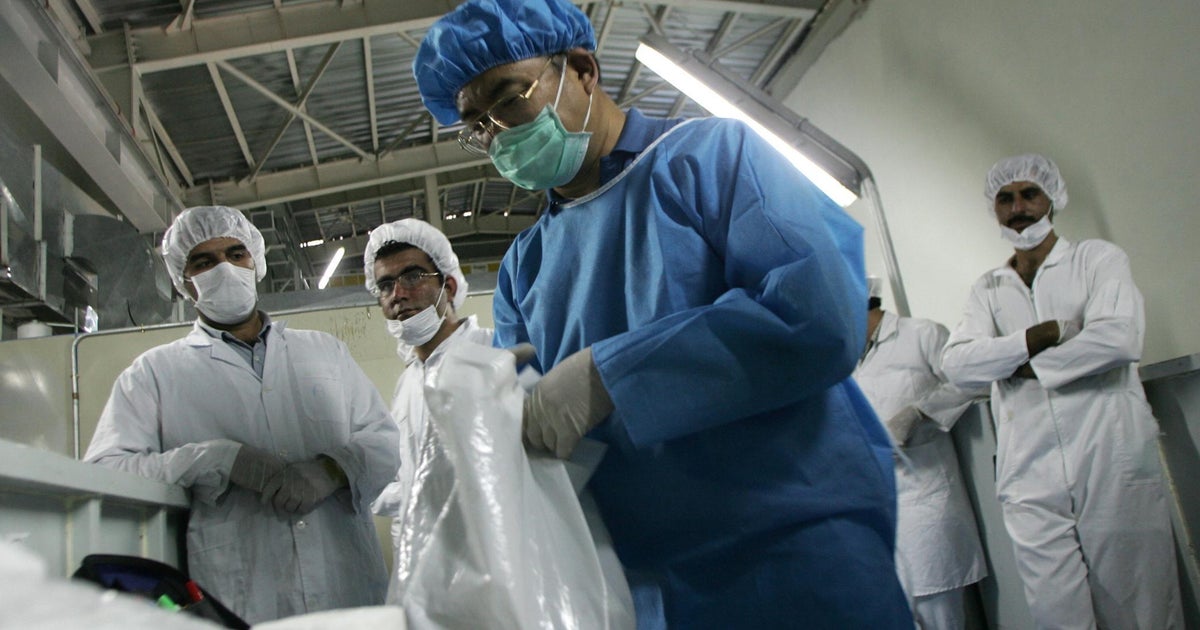
Iran is navigating complex negotiations with the U.S. regarding its nuclear program, with significant implications for regional security and international relations. Recent statements from Iranian officials indicate that key decisions about nuclear inspections will hinge on a final agreement with the United States. This situation highlights the ongoing tensions between the two nations while raising questions about the enforcement of nuclear oversight.
Nuclear Inspections Tied to Final Agreement
During a recent press briefing, Iranian Deputy Foreign Minister Kazeem Gharibabadi clarified that discussions on nuclear inspections will only be finalized within the context of a comprehensive deal with the U.S. Gharibabadi’s comments followed a lack of engagement with the International Atomic Energy Agency (IAEA) during weekend talks in Switzerland, which marks the initial phase of negotiations. He reiterated Iran’s position against allowing IAEA inspectors into sensitive nuclear locations that were targeted in past military actions by the U.S. and Israel.
Iran maintains that meaningful progress in negotiations and the lifting of sanctions will be necessary for any agreement regarding nuclear oversight. Gharibabadi emphasized that the IAEA’s access to specific sites is contingent upon reciprocal actions by the U.S. and could only be addressed in a broader framework of the final accord. Moreover, the recent memorandum of understanding between the countries does not specify a timeline for renewed inspections, suggesting that finalizing such details will require further discussions.
Iranian Negotiator Claims Victory Over U.S.
The Iranian negotiating team expressed a strong stance following the agreement dubbed the Islamabad Declaration, labeling it a “declaration of America’s defeat.” Chief negotiator Mohammad Bagher Ghalibaf praised the resolution as a testament to Iran’s resilience, arguing that it was achieved without succumbing to external pressure. This rhetoric underscores Iran’s intent to solidify its position in the Middle East and suggests a belief that the deal could lead to regional stability.
In a notable shift, U.S. President Trump and Iran’s President Masoud Pezeshkian signed the agreement, initiating a 60-day negotiation phase. Mediators from Pakistan and other nations are expected to facilitate talks aimed at reaching a lasting resolution to the ongoing conflict, further complicating the dynamics in a region already fraught with geopolitical strains.
IAEA Chief Confirms Future Inspections
Rafael Mariano Grossi, the head of the IAEA, indicated that inspections of Iranian nuclear sites are indeed on the table as part of the new agreement. His remarks suggest that while there are conflicting statements from the U.S. and Iran regarding the timing of these inspections, they are an essential aspect of any future compliance with international nuclear oversight.
Grossi noted the importance of adhering to the signed memorandum, which states that IAEA will oversee nuclear activities related to Iran’s facilities. He underscored that the timing for inspections—whether immediate or delayed—is less critical than ensuring that such oversight occurs, as it remains vital for any agreement moving forward.
U.S. Officials Monitor Regional Reactions
In light of the latest developments, U.S. officials, including Senate committee members, are actively engaging with Gulf state leaders. They aim to address the terms of the recent U.S.-Iran memorandum and its implications for regional security, especially concerning Iran’s missile program. The U.S. stance remains firm; no country is permitted to impose tolls on international waterways, promoting the principle of free navigation—a critical component of global trade and security.
By emphasizing the importance of collective regional security arrangements and ensuring that free passage in strategic waterways is maintained, U.S. officials hope to establish a framework that curtails Iran’s aggressive posture.
The evolving negotiations surrounding Iran’s nuclear program reflect broader implications for international relations and regional stability. The complexities involved are shaping not only the future of U.S.-Iran relations but also the geopolitical landscape of the Middle East.