
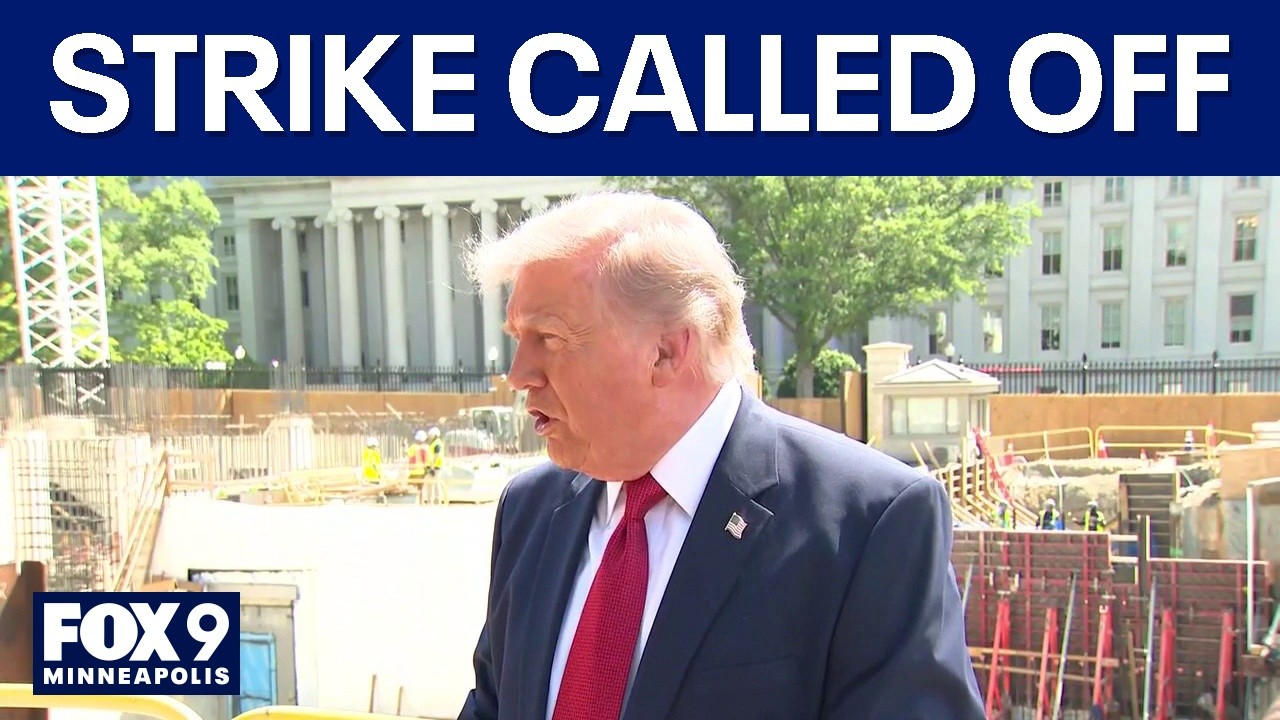
On May 19, 2026, President Trump revealed that he was mere hours away from initiating another series of military strikes against Iran. However, discussions with allies led him to reassess his decision, as negotiations are ongoing to resolve a conflict that has now entered its third month. This standoff has also resulted in significant economic implications for Americans, who have collectively spent an alarming $33 billion more on gasoline since fighting erupted.
Current U.S.-Iran Tensions
The situation between the United States and Iran remains precarious, with each side facing increasing pressure to find a diplomatic solution. Trump’s revelation indicates that military action was seriously contemplated, highlighting the volatile nature of international relations in the region. The possibility of escalation into a broader conflict raises concerns not only for the Middle East but also for global stability. As the U.S. continues to engage with its allies for a resolution, the international community watches closely, aware that any misstep could lead to intensified hostilities.
Economic Impact on Americans
The financial burden of ongoing military actions is starkly felt at the gas pump, where Americans have incurred an additional $33 billion in fuel expenses since the outbreak of this conflict. Rising gas prices can lead to increased costs for goods and services as transportation and logistics become more expensive. This spike in fuel costs not only affects household budgets but can also exert pressure on the economy as a whole, potentially stalling growth and affecting consumer spending.
Global Reactions to U.S. Military Strategy
The international community has expressed a range of responses to the U.S. military strategy regarding Iran. While some allies support Trump’s confrontational approach, others advocate for more diplomatic routes to de-escalate tensions. The dichotomy among allied nations frames the debate surrounding military intervention versus negotiation, complicating the U.S.’s ability to present a unified front in foreign policy initiatives. As countries weigh the consequences of the conflict, the potential for long-lasting geopolitical shifts becomes increasingly evident.
The Path Forward
As diplomatic negotiations continue, the future of U.S.-Iran relations remains uncertain. Decisions made in the coming weeks will have far-reaching consequences, not just for the involved nations but for the global community. Both military action and sustained economic pressure carry risks; therefore, the emphasis is increasingly placed on finding alternative solutions. Navigating these complex dynamics will require deft diplomatic skills from U.S. officials, as they seek to balance national security interests with economic realities for American citizens. Continued dialogue and cooperation among allies will be crucial in shaping a resolution that aims to stabilize the region while minimizing further economic fallout.
In conclusion, the current U.S.-Iran conflict exemplifies the intricate interplay between military strategy and economic implications, emphasizing the need for a carefully considered approach to achieve lasting peace.