
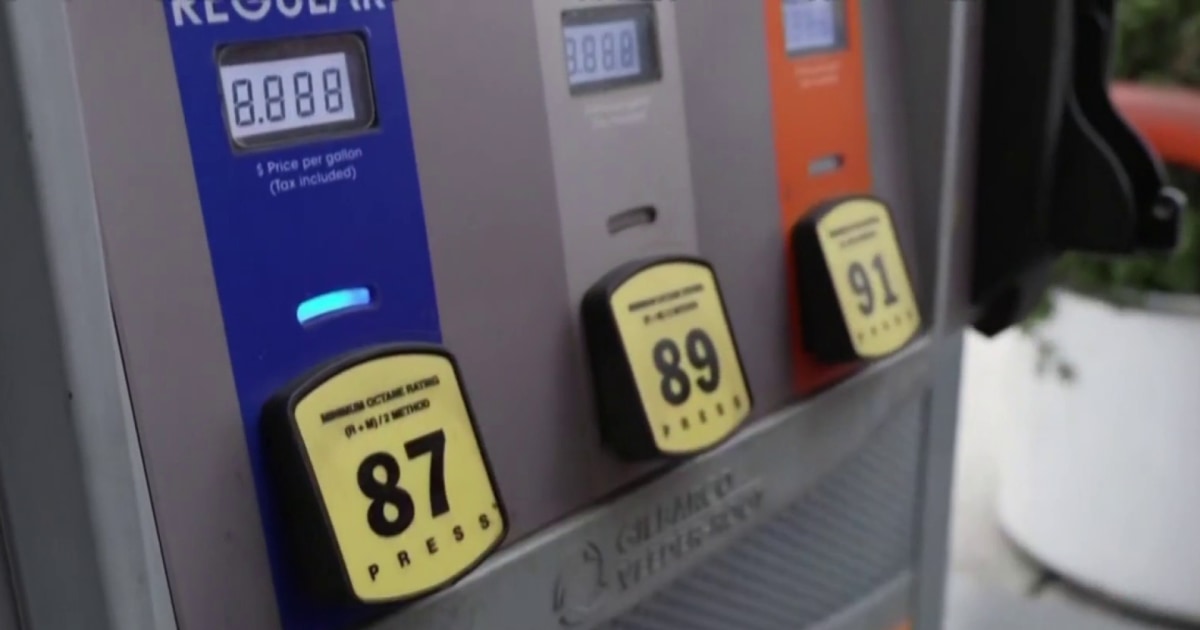
Understanding the Surge in Gas Prices Amidst Global Tensions
As global conflicts escalate, significant impacts ripple through economies worldwide, particularly affecting gas prices. The ongoing war in Iran has sparked concerns over rising fuel costs, which recently surged to an average of $4 per gallon in the United States, as reported by AAA. This article provides an overview of the factors contributing to the spike in gas prices and the potential consequences for consumers.
The Current State of Gas Prices in the U.S.
Amid mounting tensions in the Middle East, gas prices in the U.S. have taken a noticeable hike. The national average for regular gasoline has settled at $4 per gallon, a level that raises eyebrows as families prepare for road trips during the busy summer travel season. Experts emphasize that these increased prices are not just short-term spikes but suggest a longer trend influenced by geopolitical developments.
Predictions indicate that the situation may worsen in the future, with further increases looming as tensions abroad continue to escalate. A variety of factors, including supply disruptions and shifts in demand, are at play, making it essential for consumers to be aware of the broader implications.
Fuel Price Influencers: Supply and Demand Dynamics
Understanding the climbing costs begins with recognizing the delicate balance between supply and demand. Factors such as oil production levels by OPEC countries, seasonal demand fluctuations, and even natural disasters can disrupt supply chains. Moreover, any news regarding international relations can cause rapid fluctuations in oil prices.
Recent reports have highlighted how the conflict in Iran has implications for the global oil market, given the country’s role in oil production. As tensions between nations rise, the perceived risk of supply disruptions does indeed push prices higher. Experts warn consumers to brace for fluctuations that could be made even more volatile by unforeseen events.
Consumer Impact and What to Expect
As gas prices soar, the financial burden on American households grows heavier. The average consumer is likely feeling the pinch at the pump, and this sentiment extends to various sectors. Higher fuel prices can lead to increased transportation costs for goods, ultimately translating to higher prices for everyday products and services.
Consumers may consider altering their travel plans or opting for alternative transportation methods to mitigate these costs. Additionally, many are exploring options to make their vehicles more fuel-efficient or switching to electric models to counteract fluctuating prices.
In summary, awareness of the ongoing geopolitical landscape is increasingly critical for consumers as they navigate gas prices and make financial decisions. The current situation serves as a reminder of how interconnected our world is, emphasizing the need to stay informed on issues that can have immediate effects on our wallets.