
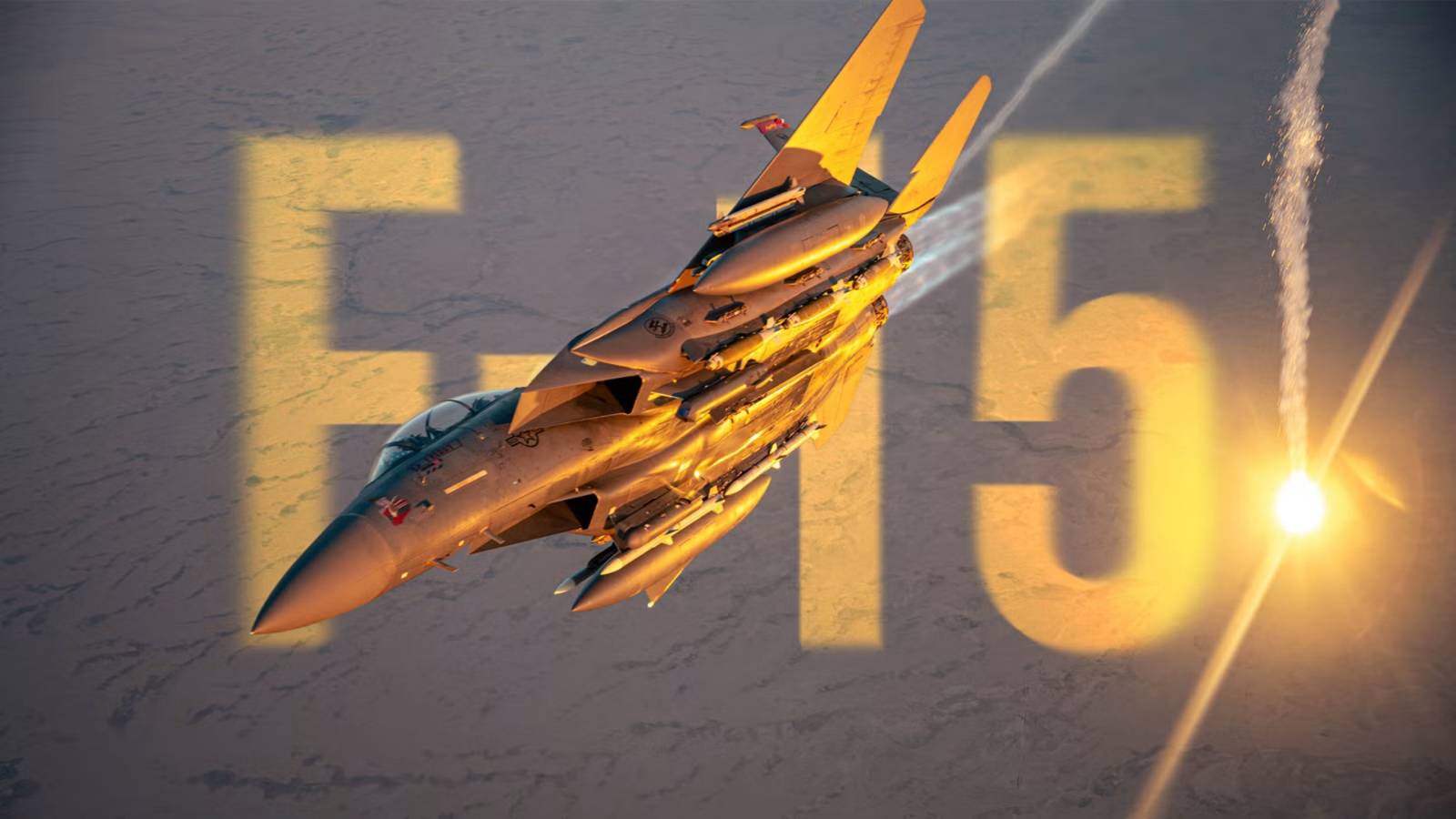
In February 2023, the U.S. State Department greenlit a significant military sale to the Kingdom of Saudi Arabia, potentially paving the way for a $3 billion fighter jet acquisition. While there was speculation that Saudi Arabia might opt for the advanced Lockheed Martin F-35 Lightning II, the focus has actually shifted toward enhancing its existing fleet of Boeing F-15SA Eagle fighters. By investing in a robust upgrade initiative, the Royal Saudi Air Force (RSAF) aims to modernize its aircraft, bringing them in line with the latest F-15EX models operated by the U.S. Air Force.
Transforming the F-15SA Fleet
The U.S. Air Force is streamlining its fleet to accommodate a large number of F-15EX jets while retaining a limited number of older F-15E Strike Eagles. The RSAF stands to benefit as the F-15SA model shares its airframe design and advanced flight control systems with the F-15EX. This compatibility means that the upgrade process will require minimal structural changes.
In a broader context, the RSAF is also investing an additional $5 billion to modernize its operations. The F-15SA not only aligns closely with the F-15EX design but also incorporates a range of cutting-edge technologies. After upgrades are complete, these aircraft may even surpass their U.S. counterparts in terms of capabilities.
Advancements in Technology
The F-15SA features an upgraded internal computer system and avionics that are positioned between the older F-15E and the latest F-15EX. Remarkably, both the F-15SA and F-15EX can accommodate two extra weapons stations for air-to-air missiles, increasing their payload capacity from eight to twelve missiles. Such an enhancement makes the F-15SA one of the most formidable multi-role fighter jets in the Western air forces.
Additionally, the F-15SA utilizes the same Advanced Display Core Processor II as the F-15EX, enabling high-speed computations essential for effective missions. This advanced software framework permits the integration of cutting-edge technologies, thereby ensuring the aircraft remains competitive as new threats emerge.
Next-Generation Capabilities
As the U.S. Air Force shifts its focus to newer platforms, it’s also working on maintaining its legacy F-15E models. With an aim to modernize, these aircraft will be equipped with the Eagle Passive Active Warning Survivability System (EPAWSS), enhancing their electronic warfare capabilities. By contrast, the Saudi Eagles benefit from their relatively new design and construction, allowing for easier upgrades.
Moreover, Saudi Arabia’s F-15SAs will receive the RTX-Raytheon APG-82 radar, which is identical to that on the F-15EX. This will significantly enhance the effective engagement range of their primary air-to-air weapon, the AIM-120 Advanced Medium-Range Air-to-Air Missile. With the ability to track multiple aerial threats simultaneously, the F-15SA will enable Saudi pilots to deploy advanced tactics in combat scenarios.
In conclusion, through substantial investments in technology and upgrades, the RSAF is set to enhance its air combat capabilities significantly. As they modernize their F-15SA fleet, they aim to achieve capabilities that rival or even surpass those of the U.S. Air Force’s F-15EX, all while maintaining a strong deterrent against regional threats. This commitment to modernization showcases both Saudi Arabia’s strategic foresight and dedication to advancing its air power.