
Iranian officials have expressed dissatisfaction with the recent response from the United States regarding ongoing negotiations aimed at bringing an end to the conflict in the region. This discontent underscores the fragile state of diplomatic relations as both sides grapple with heightened tensions and the potential for renewed hostilities.
Iran Critiques U.S. Diplomatic Efforts
Tehran’s Supreme National Security Council, led by Mohsen Rezaei, has labeled the latest U.S. response as “insufficient.” Rezaei, a former commander of the Revolutionary Guard, emphasized that Iran’s dialogue with the United States over the Strait of Hormuz and broader conflict resolution appears stalled. He noted that despite some acceptance of conditions set by Iran, many issues remain ambiguous. This communication gap raises concerns over the potential for escalated military actions should diplomatic avenues fail to yield positive results.
Rezaei warned that if fighting were to reignite, Iran could target critical regional infrastructure such as data centers and communication cables. These threats reflect Iran’s strategy of leveraging military pressure as a tool in negotiations, particularly amid a backdrop of rejected proposals and ongoing tensions. Meanwhile, Iran’s naval forces have issued statements indicating that vessels in the Strait could be deemed hostile if they deactivate navigation controls, further complicating maritime security in the region.
Israel’s Political Landscape in Turmoil
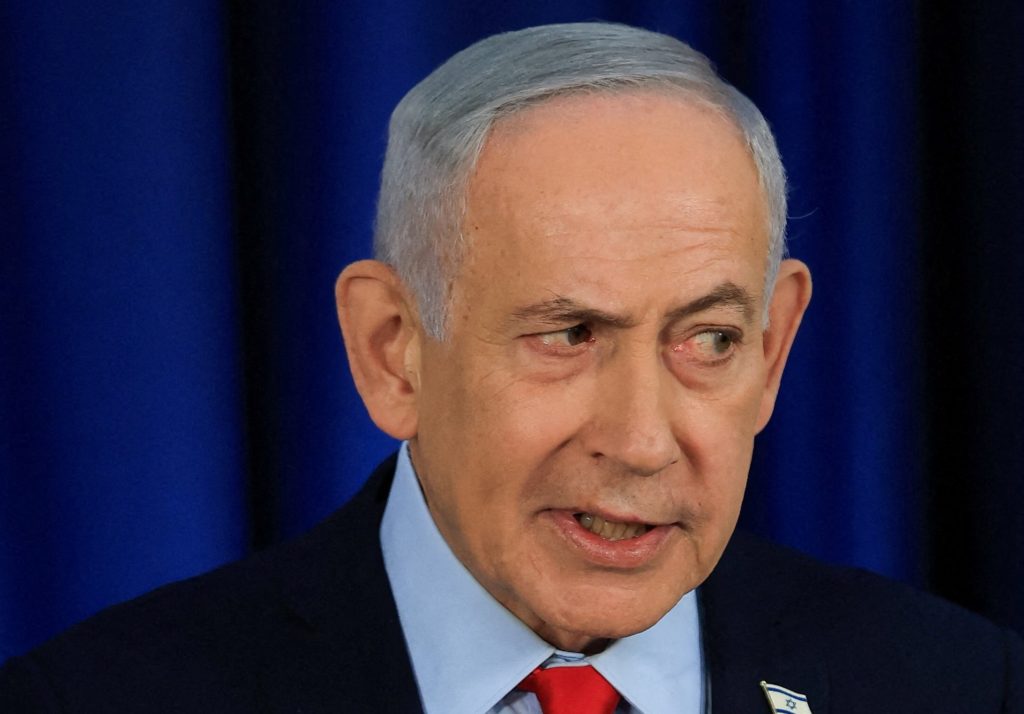
In Israel, political instability continues to loom as former Attorney General Avichai Mandelblit took the stand in the ongoing corruption trial of Prime Minister Benjamin Netanyahu. Charged with fraud, breach of trust, and bribery, Netanyahu’s trial represents a significant judicial challenge for a sitting prime minister, especially amid elections just weeks away. Mandelblit, who previously served as Netanyahu’s handpicked legal advisor, provided testimony that could have serious implications for the prime minister’s political future.
Netanyahu has consistently denied any wrongdoing, claiming his actions have been misconstrued. The trial’s public discourse may impact public perception and voter behavior ahead of the October 27 elections, where the handling of security issues is pivotal. The situation puts immense pressure on Netanyahu, making the political stakes exceedingly high.
Escalating Conflicts in the Arabian Peninsula
The security situation in Saudi Arabia has noticeably deteriorated, as Houthi rebels in Yemen claimed responsibility for a recent attack that struck Riyadh’s King Khalid International Airport. With escalating attacks reported nearly daily since the weekend, the ability of Saudi authorities to ensure safety for air travel is increasingly under threat. Brig. Gen. Yahya Saree of the Houthis has urged caution among airline operators, highlighting the rising tensions in the region.
This situation complicates the ongoing conflict between Saudi Arabia and the Houthis and poses a challenge for broader peace efforts involving Iran. As incidents of cross-border aggression grow, the United States continues to navigate its diplomatic approach amid these hostile actions.
Continued Violence in Gaza
The humanitarian situation in Gaza remains dire as residents returned to their homes only to find devastation following Israeli airstrikes. Reports indicate that numerous buildings, including homes for hundreds of families, have been destroyed. Residents recount a swift evacuation process that left them with little time to prepare, demonstrating the chaos and urgency faced by those caught in conflict zones.
Israeli military operations target purported militant infrastructure; however, the ongoing violence continues to raise concerns internationally about the humanitarian implications. As these strikes persist, calls for a re-evaluation of military strategies and their impact on civilians have become increasingly vocal.
The intricate dynamics of the Middle East highlight the significance of diplomatic efforts in mitigating conflicts and addressing humanitarian crises. As Iran, Israel, Saudi Arabia, and local factions navigate these turbulent waters, the stakes remain high for regional stability and international relations.