
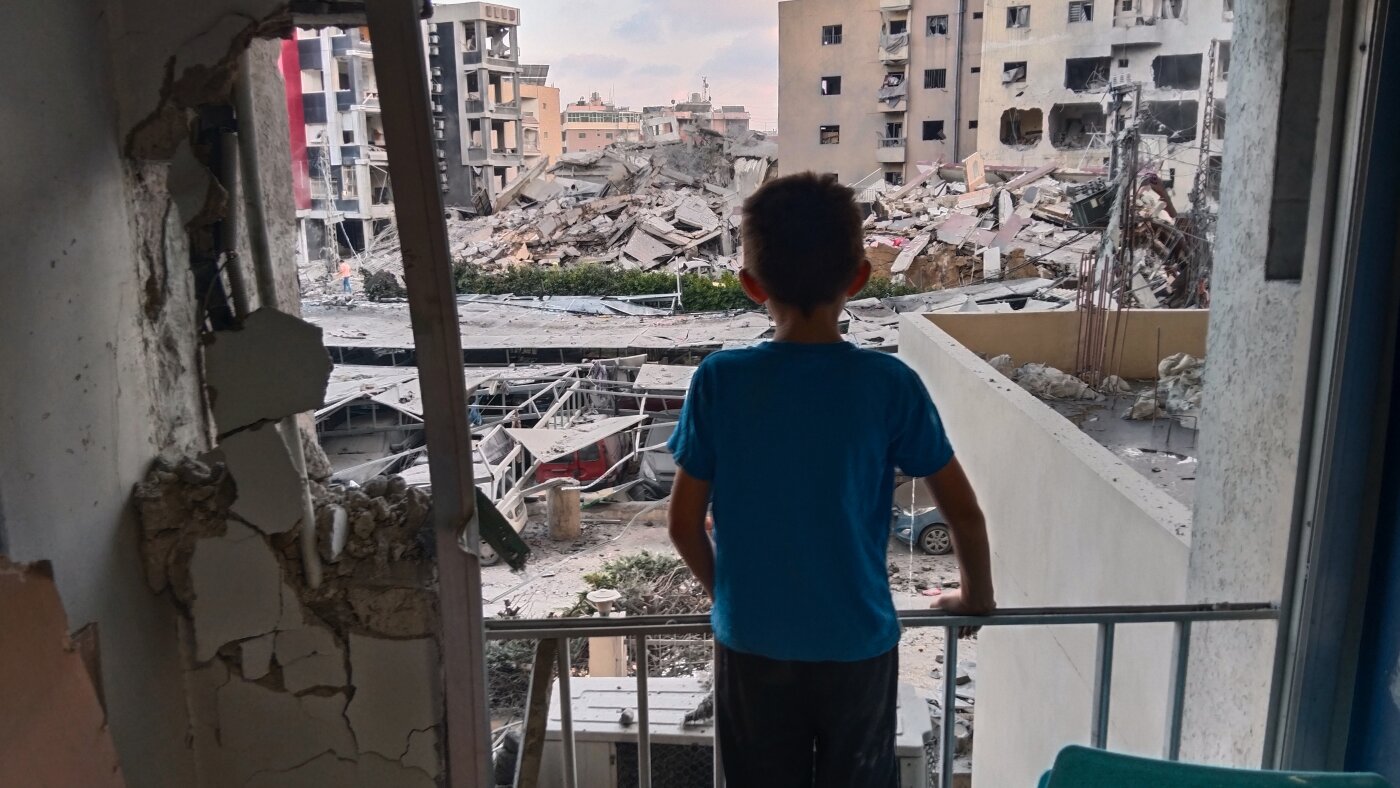
Iran has recently declared that it is suspending negotiations with the United States if Israel continues its military actions in Lebanon. This decision has important implications for the already fragile situation in the region, as both sides grapple with escalating tensions and violence.
Iran Halts Talks Amid Military Actions
On Monday, Iran’s announcement was delivered through the semi-official news agency Tasnim. The Iranian government indicated that it would cease communication with U.S. representatives unless Israel halts its advancing military operations in southern Lebanon. The agency remarked that Israel’s continued aggression has rendered the previous conditions for a ceasefire invalid. Given that Lebanon was central to these conditions, Iran’s negotiating team is stopping “talks and exchange of texts through a mediator.”
Iran’s demands are clear: an end to what it describes as “aggressive and brutal army operations” in both Gaza and Lebanon. Furthermore, Tehran has called for Israel’s complete withdrawal from areas it occupies in Lebanon. While this announcement highlights a critical escalation of tensions, senior Iranian officials have yet to confirm if diplomatic messages relayed through Pakistan have truly been suspended.
Ongoing Military Operations in Lebanon
The backdrop of this announcement includes a caution issued by the Israeli military, which warned residents in Dahiyeh, a stronghold of Hezbollah in Beirut, to leave their homes ahead of anticipated air strikes. Although these strikes had not taken place by the time of the Iranian declaration, the situation remains precarious. U.S. President Donald Trump stated on Truth Social that he had communicated with both Israeli Prime Minister Benjamin Netanyahu and representatives from Hezbollah, reportedly gaining assurances to de-escalate the fighting affecting the ceasefire.
Despite Trump’s optimism, Netanyahu reaffirmed Israel’s commitment to continue military operations in southern Lebanon, asserting that unless Hezbollah ceases its attacks on Israeli cities and civilians, Israel will target terrorist sites in Beirut. This assertion underscores a lack of consensus on both sides regarding the best path forward and hints at a deepening divide that may complicate future negotiations.
Impacts on Oil Prices and Global Markets
The ongoing conflict in this strategic region has also reverberated beyond national borders, particularly in global oil markets. With the Strait of Hormuz, a vital shipping lane for oil, currently closed due to U.S. and Iranian hostilities, the ripple effects have been substantial. Previously, this route was responsible for transporting about a fifth of the world’s oil supply. Now, these tensions have started to drive prices up, adding pressure on the Trump administration to find a resolution quickly.
Earlier in the week, Trump had projected confidence in achieving a deal with Iran, suggesting that negotiations would yield a favorable outcome for the United States. There had even been indications that both nations were on the verge of an agreement to extend a 60-day ceasefire, but this seemed to hinge on further deliberations, showcasing the complexities involved in resolving the conflict.
Looking Ahead: The Future of Diplomacy
With Israel intensifying its military presence in Gaza and Lebanon and claiming additional territory, the regional situation remains highly volatile. Israel’s ongoing airstrikes, initially aimed at Hamas militants, have resulted in significant civilian casualties, raising questions about moral and ethical implications. As both Iranian and Israeli leaders continue to assert their positions, the urgency for a renewed diplomatic engagement has never been clearer.
In conclusion, Iran’s decision to halt talks with the U.S. marks a significant setback in international diplomacy regarding the Middle East. As conflicts escalate, the focus will increasingly shift to potential negotiations, the role of external powers, and the effects on global markets. Resolving these tensions will require skillful diplomacy that recognizes the complex tapestry of interests at play in the region.