
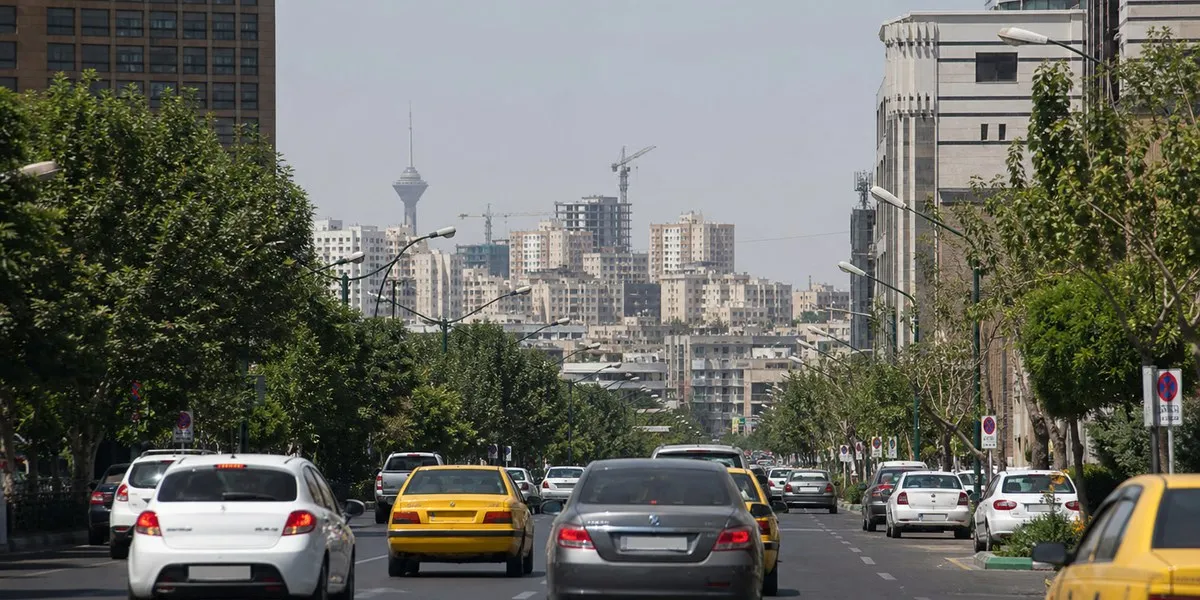
Iran has issued a strong warning following reports of potential U.S. military plans for new strikes. The nation has stated that any attack from Washington will trigger an unrestricted response. This situation creates tensions in an already volatile region, further complicating diplomatic relations.
U.S. and Qatari Perspectives
U.S. President Donald Trump recently indicated that three strategic options are under consideration regarding Iran: complete destruction, allowing for its economic decline, or pursuing a diplomatic agreement. This statement comes amidst increasing anxiety over the implications of renewed military conflict.
In a different vein, Qatari Prime Minister Sheikh Mohammed bin Abdulrahman bin Jassim Al Thani has cautioned against escalating tensions in the Persian Gulf. He emphasized the necessity for a framework where the sovereignty of nations is honored, ensuring that no country feels threatened by its neighbors. Such diplomatic initiatives could potentially prevent cycles of violence and instability.
Current Conflict in Yemen
Simultaneously, Yemen continues to grapple with violence, particularly in Al Jawf province, where clashes involving the Houthis and Saudi-backed forces have resulted in casualties, including reports of four deaths. The leader of the Houthis, Mahdi al-Mashat, has declared that Saudi Arabia must provide compensation for what he terms an unjust blockade on Yemen.
In response to the escalating conflict in Yemen, the U.S. Virtual Embassy in Iran has advised American citizens to exit the country, citing the ongoing violence in Yemen as a significant safety concern. As fighting persists in the region, humanitarian issues remain pressing, warranting international attention.
Impact on Education in Iran
On the domestic front, schools and universities in Iran are gradually resuming normal operations after experiencing prolonged interruptions due to the preceding U.S.-Israeli airstrikes. Families and educators now face the challenge of addressing damaged infrastructure and the psychological ramifications of students’ traumatic experiences stemming from the recent violence. The educational sector’s recovery is vital for the country’s long-term stability and development.
The interconnectedness of these issues illustrates the complexities at play in the region. As Iran warns of a severe backlash in the face of potential U.S. military actions, and as the situation in Yemen remains precarious, the global community must remain vigilant. Understanding the nuances of diplomacy and military strategy will be essential in navigating these turbulent waters. Enhancing communication between nations can pave the way for peace and stability, ultimately benefiting the entire Middle East.
In conclusion, as the United States and Iran maneuver through this intricate geopolitical landscape, the focus must be on maintaining open channels for dialogue and pursuing peaceful resolutions to avoid further escalations. The ripple effect of these conflicts inevitably influences regional stability, economic progress, and the humanitarian situation on the ground.