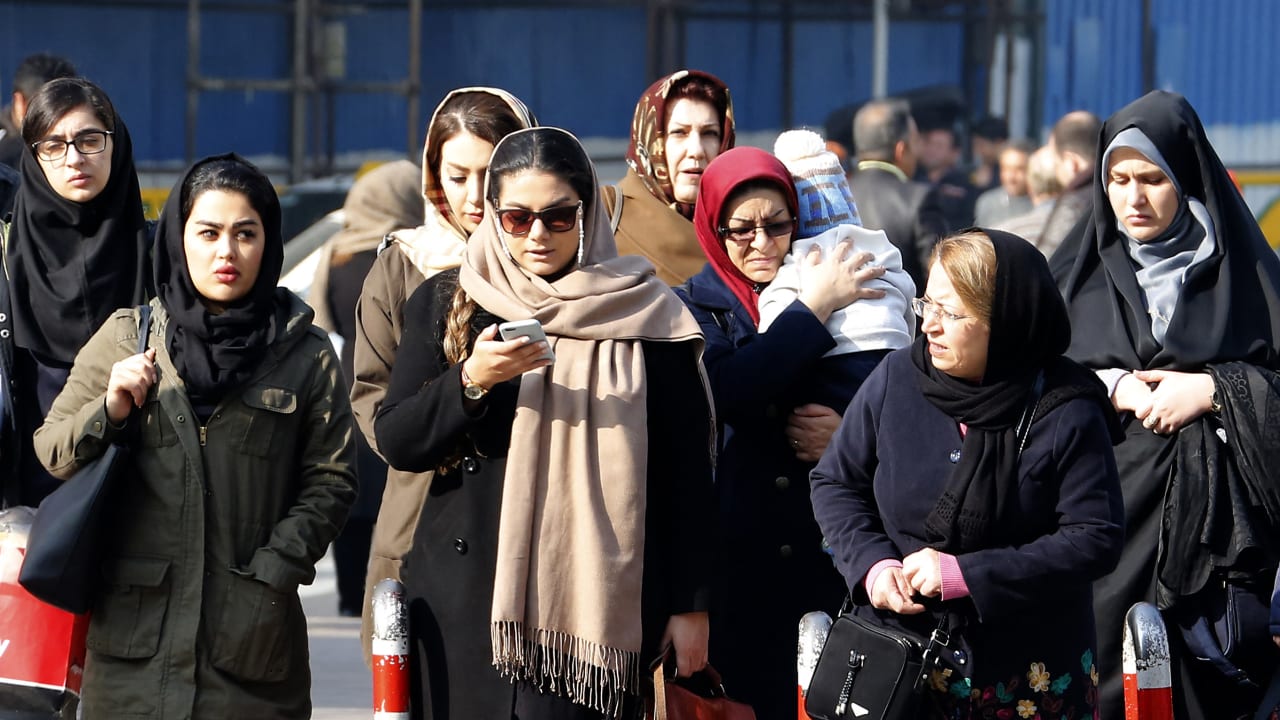
Iran’s judiciary chief, Gholam-Hossein Mohseni Ejei, has strongly urged a renewed effort to enforce the nation’s mandatory hijab regulations amid growing concerns about women not adhering to modesty laws. According to recent Iranian media reports, Ejei claimed that the prevalence of what he termed “social abnormalities” and “nudity” on the streets has become troubling for “religious people” and “patriotic citizens.” This call for action highlights the regime’s ongoing commitment to the enforcement of strict dress codes.
Enforcement Measures Under Discussion
Ejei emphasized the need for authorities to take a firmer stance against violations of the Islamic Republic’s modesty standards. He conveyed to the prosecutor-general that the measures should not only aim to “protect people’s rights” but also serve as a mechanism to combat what he referred to as manifestations of corruption within society. He further noted that implementing these stricter measures must align with Islamic law, indicating the regime’s intent to maintain a semblance of religious legitimacy in its actions.
“What is essential is to restore order and eliminate this state of abnormality and nudity, but it must be done with discernment and wisdom,” Ejei remarked, underscoring the delicate balance they aim to strike in their enforcement efforts. The ongoing uncertainty regarding public dissent means that any potential backlash is viewed as a risk by authorities, yet Ejei stated that the backing of both the president and parliament lends support to this stringent approach.
Context of Ejei’s Statements
Ejei’s demands come just weeks after the fourth anniversary of Mahsa Amini’s death, a young woman whose tragic demise in custody sparked worldwide protests, known as the “Woman, Life, Freedom” movement. Reports indicate that these protests were met with severe crackdowns by Iranian security forces, resulting in numerous deaths and widespread public outcry. The regime’s heightened sensitivity to women’s attire and behavior appears to stem from an overwhelming fear of a resurgence in such public protests.
Amid this climate, Ejei’s remarks suggest a rising anxiety among Iranian officials about an increasingly secular societal movement that might foster support for foreign adversaries, particularly the United States and Israel. Influential clerics within the regime are reportedly urging authorities to take proactive measures to mitigate these perceived threats to national security.
Linking Hijab Compliance with National Security
Experts on Iranian politics are noting that the connection between hijab enforcement and national security has become increasingly explicit. As Iran grapples with numerous internal challenges, including economic hardship due to sanctions and the ongoing effects of global conflicts, authorities see compliance with hijab regulations as a form of control that maintains societal order.
Roger Macmillan, a security analyst, has stated that it is not unexpected for the government to tighten its grip on social norms during times of political and economic turmoil. This pattern illustrates how regimes often resort to internal repression to divert attention from broader issues and project an image of control.
In light of these developments, several businesses have faced increasing pressure as they are targeted for not adhering to hijab regulations. Reports have surfaced of establishments, including cafes and hotels, being shut down or threatened with legal action for allowing women to appear without head coverings. This signals a broader reinforcement of moral standards that extends beyond individual rights, impacting the livelihood of businesses in Iran as well.
The rigorous implementation of hijab laws coupled with societal pressures highlights the ongoing challenges women face in navigating Iran’s rigid social landscape. As authorities intensify efforts to monitor compliance, the implications extend beyond fashion, intertwining with fundamental issues of individual freedom and societal control in today’s Iran.