
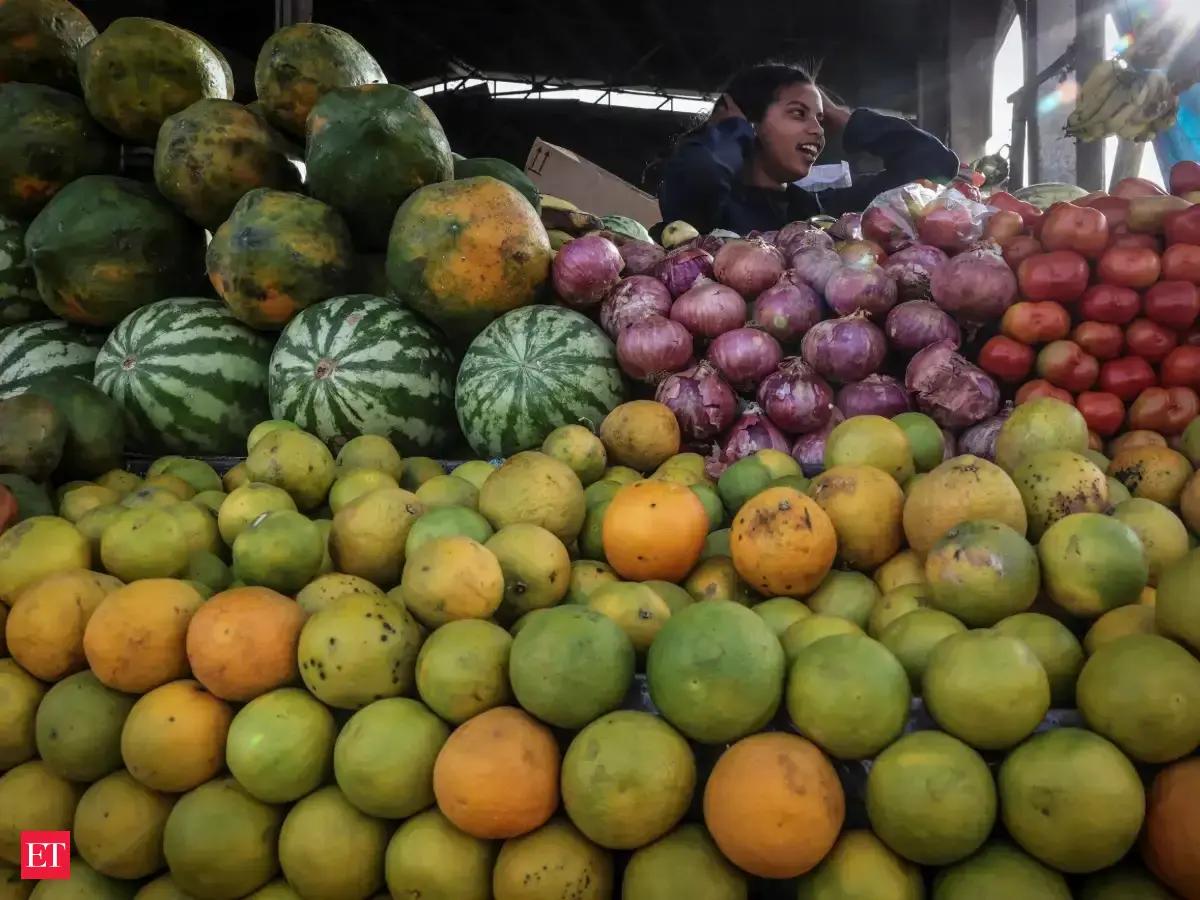
The atmosphere in Tehran’s historic bazaars has shifted dramatically as economic pressures mount. Shopkeepers, once bustling with customers, now face empty aisles and dwindling sales. This decline is not due to a lack of interest in local goods, but rather an overwhelming surge in prices, largely attributed to the ongoing US-Iran war.
Challenges for Merchants in the Marketplace
At a prominent bazaar in northern Tehran, vendor Nasir shares the stark reality of his income. “Customers used to buy two to five kilograms of nuts at a time. Now, they ask for only half a kilogram,” he states. As inflation soars to nearly 90% year-on-year, the cost of basic items has escalated, compelling consumers to cut back on their purchases.
The once lively market, characterized by the sounds of vendors promoting their wares, is now eerily quiet. Economic sanctions over the years have severely impacted Iran’s financial stability, but the recent conflict has further exacerbated the situation. “We’re all left in limbo,” Nasir laments, emphasizing the urgent need for a stable currency that enables businesses to plan for the future.
Able to Survive, But Not Thrive
Other vendors echo Nasir’s sentiments. Ali Nowruzi, who manages a sportswear store, highlights the grim reality of operating under such harsh conditions. “There’s a sense of desperation among us,” he explains, noting that many manufacturers are going bankrupt and laying off employees. This ripple effect makes it increasingly challenging for retailers to sustain their businesses, with demand dwindling and inventory piling up. “We have no plan for the future. When sales drop, it leads directly to bankruptcy,” Nowruzi adds.
In a broader sense, shoppers, too, feel the pinch of this escalating crisis. Many leave the bazaar empty-handed, unable to afford even the most basic necessities. Azadeh, a 45-year-old unemployed woman, visits the market simply to observe, saying, “I can’t buy anything. I just watch.” This highlights the alienation experienced by many Iranians as their purchasing power diminishes drastically amid the ongoing war.
Inflation’s Gripping Hold
The situation has worsened to the extent that consumer habits have fundamentally changed. A kitchen cloth that once cost 22 cents is now priced at $1.10, illustrating how drastically prices have skyrocketed within mere months. “It’s not just an increase; it’s a crisis,” Azadeh points out. With essential items becoming increasingly unaffordable, many are compelled to forgo leisure activities and luxuries that once formed their daily lives.
Even local artisans, like street performers in the bazaar, struggle to make ends meet. With dwindling crowds, the chance for tips has decreased significantly. As the economy contracts—official figures show a 10.1% decline in GDP—feedback from various sectors resonates with the same theme: instability and uncertainty.
The Iranian government maintains that claims of imminent economic collapse are exaggerated and blame external adversaries for inciting panic and driving up exchange rates. However, for many Iranians, the challenges are tangible and immediate, as they navigate a daily existence intertwined with economic hardship and uncertainty.
In essence, Iran’s bazaar culture, a nucleus of local commerce and community, faces existential threats. Without significant changes to the nation’s economic policies and stability, it seems that these marketplaces may continue to grapple with declining sales and uncertain futures.