
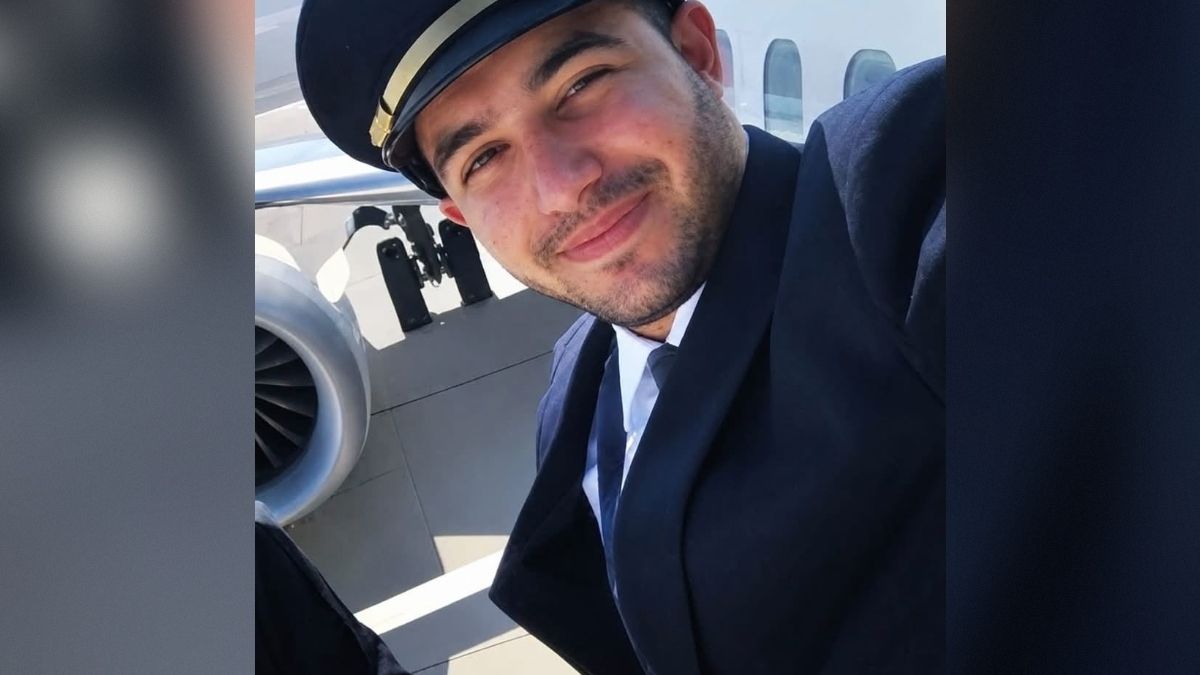
A recent investigation has raised serious concerns regarding a potential aviation threat linked to a co-pilot working for FlyDubai. Humam Al-Hamami, an Omani national, is allegedly involved in a plot to crash a plane at Israel’s Ben Gurion Airport. The United Arab Emirates (UAE) government has vowed to impose severe consequences on him if proven guilty, with investigations ongoing to ascertain the full extent of the conspiracy and any potential accomplices.
Details of the Alleged Conspiracy
Emerging reports indicate that Al-Hamami commenced planning the attack back in 2017 while he was living in Australia. During a recent update from the UAE Attorney General, it was revealed that Al-Hamami’s intended target was the passenger terminal of Ben Gurion Airport, aiming for a catastrophic event reminiscent of the infamous September 11 attacks. Al-Hamami allegedly utilized his professional trips to Israel as opportunities to gather crucial intelligence, which included details about flight routes and the intended target.
This shocking information has intensified scrutiny around the recruitment and monitoring processes of airline personnel. The vulnerability of critical infrastructure, including airports, is of utmost concern to both regional and international authorities. The implications of this investigation extend beyond a single individual, posing significant questions about the safety and security measures currently in place within the aviation sector.
Ongoing Investigations and Accountability
In light of these alarming revelations, Emirati officials are not only focusing on the co-pilot but are also searching for any possible accomplices who may have aided in the planning or execution of this plot. An unofficial source within the Emirati leadership noted that the government is committed to transparency and upholding the rule of law throughout the investigative process. Despite the gravity of the situation, Al-Hamami has claimed to have acted independently, but authorities remain skeptical and are pursuing several leads.
Furthermore, the UAE has acknowledged a failure to identify signs of radicalization in Al-Hamami, who met the professional criteria established by FlyDubai. This acknowledgment points to the complexities inherent in securing aviation environments against threats posed by individuals who may not exhibit outward signs of extremism. Continuous monitoring and deeper analysis of employee backgrounds may become crucial in preventing such incidents in the future.
Conclusion and Future Implications
As investigations move forward, the case highlights the growing need for airline companies and regulatory bodies worldwide to enhance their vigilance and security measures. The implications of this plot could lead to broader reforms in aviation security protocols, especially regarding personnel screening and behavior monitoring.
The UAE’s rigorous approach demonstrates a commitment to national and regional safety, aiming to reassure both travelers and the international community of the steps being taken to mitigate such threats. As more information comes to light, it will be essential for authorities to not only hold accountable those responsible but also to ensure that lessons learned will contribute to more robust aviation security systems in the future.