
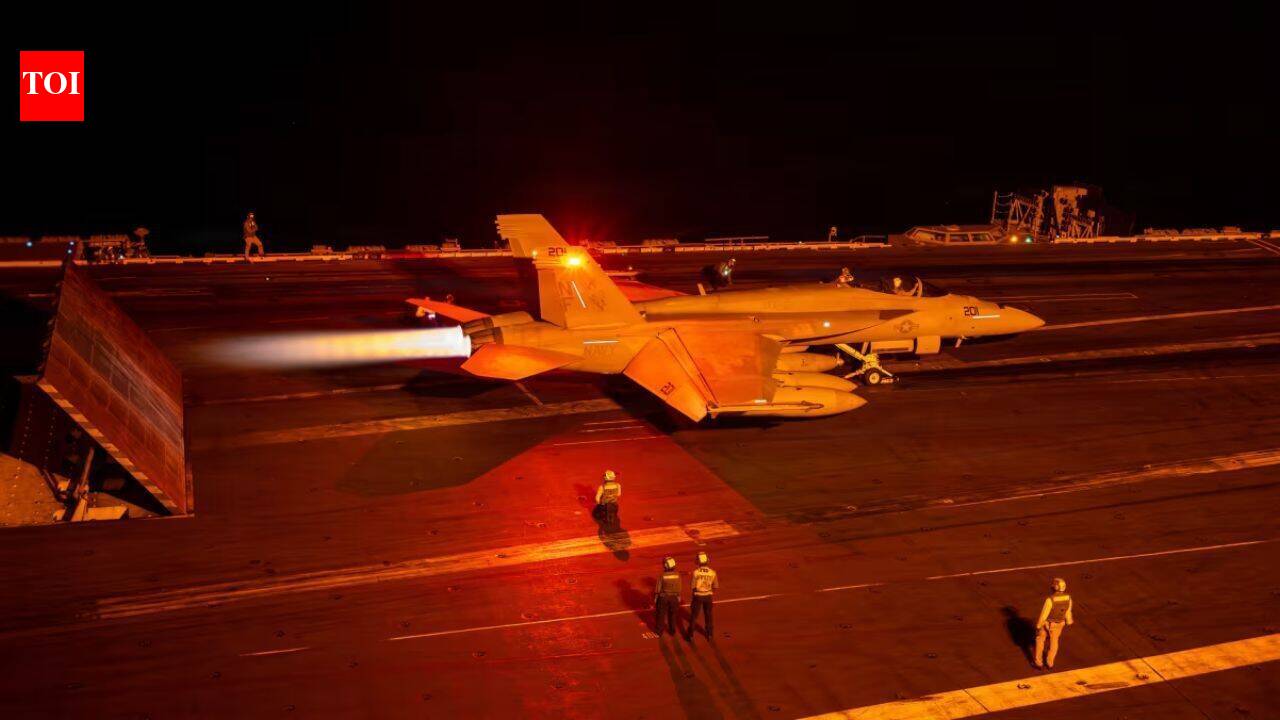
The Pentagon’s watchdog has issued a comprehensive assessment detailing the extensive damage to U.S. military and diplomatic facilities in the Middle East due to recent Iranian strikes. This report serves as the Department of Defense’s initial formal evaluation of the impact of the ongoing conflict, which began on February 28, marking a significant escalation in tensions between the U.S. and Iran.
Impact on U.S. Military and Diplomatic Infrastructure
The special report from the Department of Defense’s inspector general highlights that Iranian strikes resulted in notable destruction across U.S. bases in several countries, including Kuwait, Bahrain, Qatar, the UAE, Saudi Arabia, Iraq, Oman, and Jordan. These assaults compromised hundreds of buildings and essential structures, prompting U.S. Central Command to enact urgent changes in personnel and asset management. The report noted that these operational adjustments included the withdrawal of Army medical evacuation helicopters from Iraq and Kuwait, necessitating the reliance on ground transportation for most medical evacuations to local healthcare facilities.
Logistical Challenges in Bahrain
The damage inflicted on the U.S. Navy’s operational hub in Bahrain created severe logistical obstacles for military operations. Acting Navy Secretary Hung Cao condemned the extent of the damage, noting that it created “significant challenges” in establishing adequate naval bases and support ports. Consequently, U.S. forces have had to extend their resupply cycles, with logistical operations now relying heavily on the remote Indian Ocean island of Diego Garcia. The extended supply chains have led to intermittent shortages and disruptions, complicating operations for U.S. sailors stationed in the Persian Gulf amid ongoing hostilities.
Financial Toll of the Conflict
The financial ramifications of the Iranian strikes are substantial. The report estimates that attacks on U.S. diplomatic facilities in the Middle East could tally around $184 million in damages. While exact figures related to military site damage remain unavailable, specific incidents have reportedly caused significant structural harm. In early March, for instance, two Iranian drones struck the U.S. Embassy in Riyadh, inflicting extensive damage to critical operational areas, including a CIA station. Additionally, attacks were reported at the U.S. consulate in Dubai and the U.S. Embassy in Kuwait, both of which required operations to be significantly curtailed.
Displacement of Diplomatic Personnel
The conflict has also led to the displacement of approximately 3,500 U.S. diplomatic personnel from the region between February 23 and June 30, as a response to the escalating threats. Several countries, including Bahrain, Iraq, Jordan, Qatar, Saudi Arabia, and the UAE, were placed under an ordered departure notice, prompting the evacuation of non-emergency staff and their families. As of now, most posts continue to operate under restricted conditions, with diplomats beginning to return cautiously.
As U.S. military and intelligence officials evaluate the possibility of maintaining fewer personnel and facilities in the Middle East going forward, this report underscores the pressing need for a reassessment of U.S. strategic presence in a region that remains fraught with challenges. The implications of these findings will likely shape future U.S. foreign policy decisions in the area, as the nation grapples with the aftermath of the current conflict and the ongoing threats presented by Iranian provocations.