
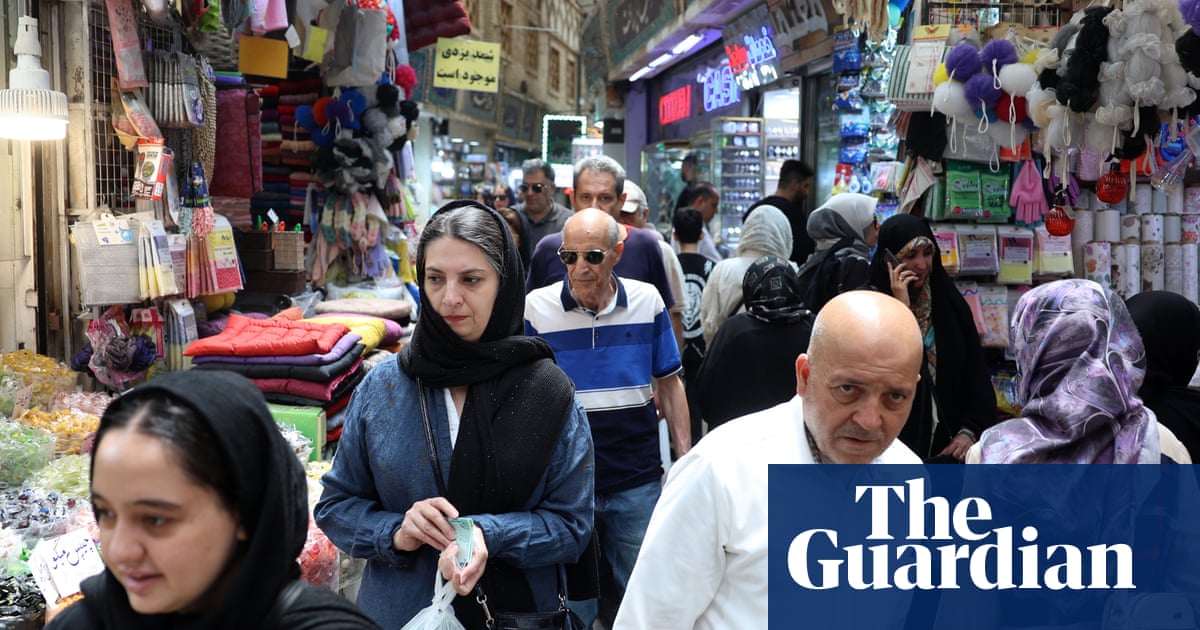
The latest campaign of U.S. sanctions against Iran, termed Operation Economic Outcast, feels redundant to many Iranians already grappling with a dire economic landscape. As the country faces spiraling inflation affecting essential goods and services, citizens are trapped in a seemingly endless struggle for stability.
The Impact of Inflation on Daily Life
Iranian households are experiencing a staggering increase in food prices, with essentials becoming increasingly unaffordable. For instance, the cost of vegetable oil surged by 383% in August compared to the previous year. Meanwhile, prices for staples like eggs, chicken, and red meat have risen dramatically, by 294%, 177%, and 148%, respectively. These soaring costs have forced many families to alter their diets drastically, leading to a marked decrease in the consumption of red meat by 50% year-over-year.
As purchasing power dwindles, citizens are being forced to make tough choices. Many are patching clothes rather than replacing them and delaying medical treatment due to rising healthcare costs. Local reports indicate a surge in demand for more affordable commodities, resulting in shortages of items like potatoes. This economic distress has left much of the middle and working classes in a precarious situation, as emphasized by voices advocating for gender rights and humanitarian needs.
The Political Climate and Public Frustration
The current economic crisis has put Iran’s political leadership on high alert, as they strive to avert social disorder stemming from widespread discontent. With the national currency collapsing, the U.S. dollar recently reached an unprecedented 2 million rials on the open market. Inflation figures reveal an annual rate of 84.4%, driving home the reality that ordinary citizens are increasingly frustrated with government inaction.
Political discussions have turned fraught as authorities contemplate raising fuel prices to combat expensive subsidies. Public outrage regarding past abrupt price hikes lingers, such as the 50% fuel increase in November 2019 that catalyzed violent protests. Compounding these issues, allegations of fuel smuggling involving political factions serve to further inflame public sentiment, leaving people questioning the accountability of their leaders.
Government Responses: A Call to Arms or Desperation?
Amid these economic challenges, Iranian leaders have turned to patriotic rhetoric, framing the economic situation as part of a broader struggle against U.S. adversarial policies. High-ranking officials have urged citizens to limit unnecessary travel and reduce fuel consumption, portraying these actions as acts of national pride. However, as desperation mounts, the effectiveness of such claims is highly questionable.
Recent comments from prominent leaders suggesting that citizens produce their own goods evoke memories of historical miscalculations. Observers have compared these recommendations to failed initiatives, such as Mao’s “backyard steel furnaces.” Experts have voiced concerns that without viable oil export channels due to U.S. sanctions, Iran’s economic struggles are only set to worsen, leaving the country in a precarious position.
As the Iranian government grapples with mounting challenges, a choice looms ahead: whether to pursue diplomatic solutions or continue on a path of confrontation. The cycle of sanctions has led to deeper poverty for many, underscoring that further punitive measures may ultimately bring about more harm than good for the Iranian populace.