
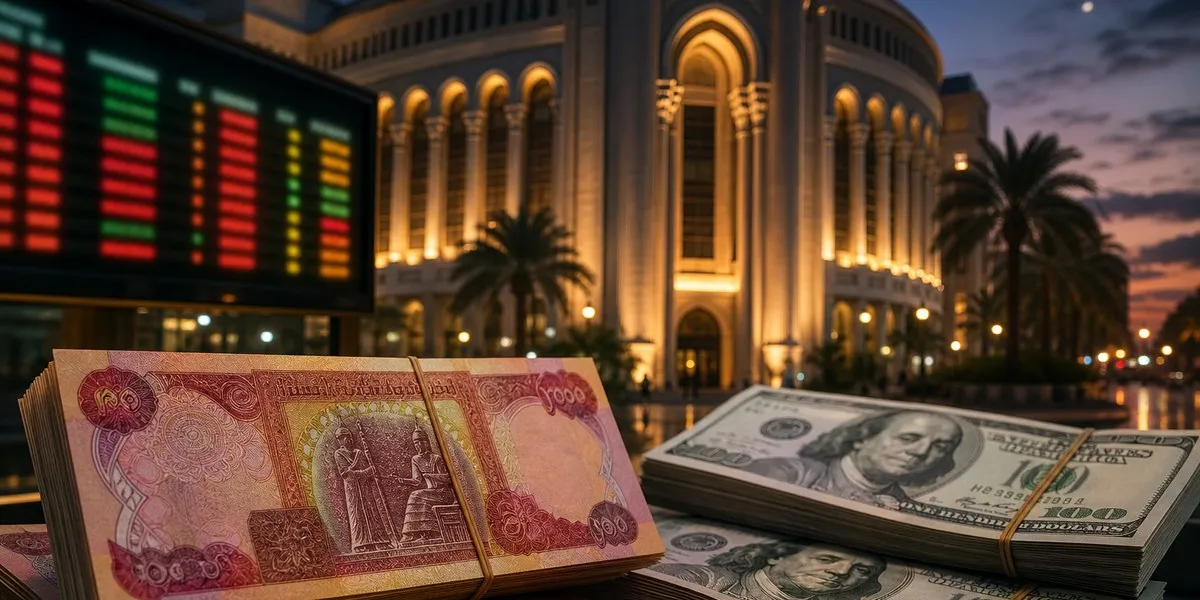
On October 7, the Central Bank of Iraq took a significant step by devaluing the national currency, raising the official selling rate of the dollar from 1,320 to 1,520 dinars. This decision came as a response to the increasing pressures on the nation’s budget, mainly due to disruptions in oil exports through the Strait of Hormuz. Such challenges have been critical, especially as the Iraqi economy heavily relies on oil revenues to fund government operations.
The Impact on Prices and Living Costs
The devaluation of the dinar poses serious risks to the purchasing power of citizens, particularly those whose salaries are paid in the local currency. Given Iraq’s dependence on imported goods—ranging from food to medicines—the increase in the cost of dollars has led to heightened business expenses. As a result, the prices of essential goods may rise significantly, eroding the financial stability of households.
In Erbil, the capital of the Iraqi Kurdistan region, many residential rental agreements are set in dollars. This further complicates the situation for tenants who earn their income in dinars. To meet their housing costs, these individuals must convert their dinar earnings into dollars, putting additional strain on their finances. Conversely, those who are compensated in dollars can benefit from the conversion, receiving more dinars when exchanged. However, this advantage is offset by the high costs of their dollar-denominated costs, which includes rent.
The disparity between the official and parallel exchange rates is another concern for households. As of recent assessments, the dollar was trading at approximately 166,350 dinars for $100 in local exchange offices, which is about 9% higher than the official rate. Following the initial announcement of the devaluation, some exchange offices reported rates as high as 180,000 dinars for the same amount, before settling back down somewhat.
Rationale Behind the Devaluation and Public Concerns
Samir Fakhri, a spokesperson for the Central Bank’s Directorate of Statistics and Research, defended the devaluation as a necessary measure to protect Iraq’s dwindling foreign currency reserves amid falling oil revenues. With oil comprising over 90% of the national budget, any disruptions in exports can severely affect the country’s fiscal health.
Proponents argue that by increasing the amount of dinars received for every dollar of oil sold, the government can better finance salaries and public spending. Yet, this move has not been without controversy. Various lawmakers and political factions have criticized the Central Bank’s decision, demanding clarity and reassurance from the government. The Coordination Framework, an alliance of Shiite parties backing the current administration, has urged the government to minimize the financial burden placed upon citizens.
In response to the public outcry, the government has promised to sustain subsidies for fuel and basic services while exploring potential customs concessions on essential goods. However, it’s essential to note that these subsidies do not extend to all household expenses, particularly rents, which may continue to rise as imported goods become more expensive.
As the situation develops, many Iraqis are left navigating an increasingly complex economic landscape, where their purchasing power and quality of life are threatened by currency fluctuations and rising costs. The government will need to strike a careful balance to protect its citizens while managing its fiscal responsibilities effectively.