
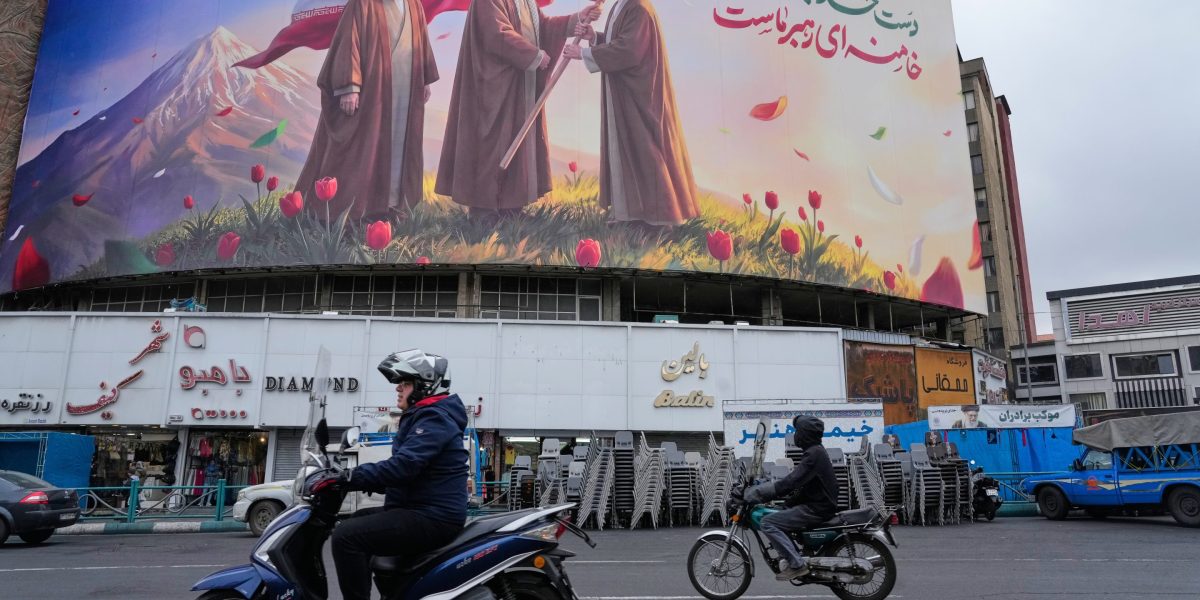
After six months of intense conflict, the Iranian leadership has solidified its core group of military commanders and religious clerics, remaining steadfast in their commitment to face off against the United States. They seem prepared for an extended struggle and are focused on stifling any domestic unrest. This marks a significant shift from the initial hopes of U.S. President Donald Trump to dismantle the Islamic Republic, which has since been met with resistance and a firm resolve from Iran’s ruling elite.
The New Iranian Leadership’s Resolve
The recent alignment of Iran’s leadership underscores their skepticism toward any agreements with the United States, particularly given past aggressions during negotiation attempts. The new leadership has emphasized its willingness to escalate military efforts if U.S. sanctions continue to threaten Iran’s already fragile economy. Mohsen Rezaei, the newly appointed secretary of Iran’s Supreme National Security Council, stated that any form of U.S. aggression would be met with a significant response. He even warned that if sanctions persist, Iran could halt oil exports entirely from the Persian Gulf.
Strategic Appointments Amid Turmoil
Rezaei’s recent appointment signals a commitment to suppress any internal dissent. The supreme leader, Ayatollah Mojtaba Khamenei, has put significant emphasis on maintaining control following the death of his father, Ali Khamenei, in an attack attributed to Israeli forces. This strategic reshuffling includes appointing Hossein Taeb as head of the Basij, a paramilitary force integral in quelling previous protests. Taeb’s past experiences in intelligence and suppression operations indicate a clear strategy to thwart any future dissent, particularly as economic discontent grows among citizens.
The emphasis on hard-liners within the administration signifies a dedication to an uncompromising approach. Longtime associates of Khamenei have filled key positions, ensuring that the circle of influence remains closely knit and resistant to moderate perspectives. Analysts suggest this consolidation of power not only reflects a desire for internal unity but warns against the potential repercussions should these tensions escalate further.
Internal Divisions and Moderates’ Voices
Amidst this hardline slate of leadership, voices advocating for moderation within Iran caution against further conflict. President Masoud Pezeshkian has emerged as one of the more notable figures promoting negotiations rather than hostilities. He argues that Iran risks jeopardizing its current standing if the war continues while the economy deteriorates. His call for restraint serves as a counterbalance to the prevailing hardline sentiment deemed necessary for survival by many in power.
Despite the harsh rhetoric from the leadership, there remains an underlying concern that escalating military actions could provoke significant repercussions. Analysts warn that while Iran might seek to reinforce deterrence, the potential for retaliation could worsen their circumstances. Therefore, the dialogue surrounding peace negotiations remains a pivotal, albeit strained, aspect of Iranian politics.
Hard-Liners and the Contest for Control
The recent appointments intend to tighten the grip of hard-line factions within Iran’s governance. This strategic maneuvering demonstrates the regime’s determination to maintain a strong hand amid fears of unrest. Rezaei and Taeb’s appointments reflect a broader trend where ideology and loyalty supersede pragmatism within political circles. As ideologically aligned officials rise to power, internal dissent appears increasingly unlikely, at least in the immediate future.
Overall, the situation in Iran reveals a complex interplay between hardline leadership strategies and emerging calls for moderation. While the upper echelons consolidate their power and move toward an aggressive stance against external foes, the specter of economic hardship continues to loom, prompting debates regarding the long-term viability of sustained conflict versus negotiated peace.