
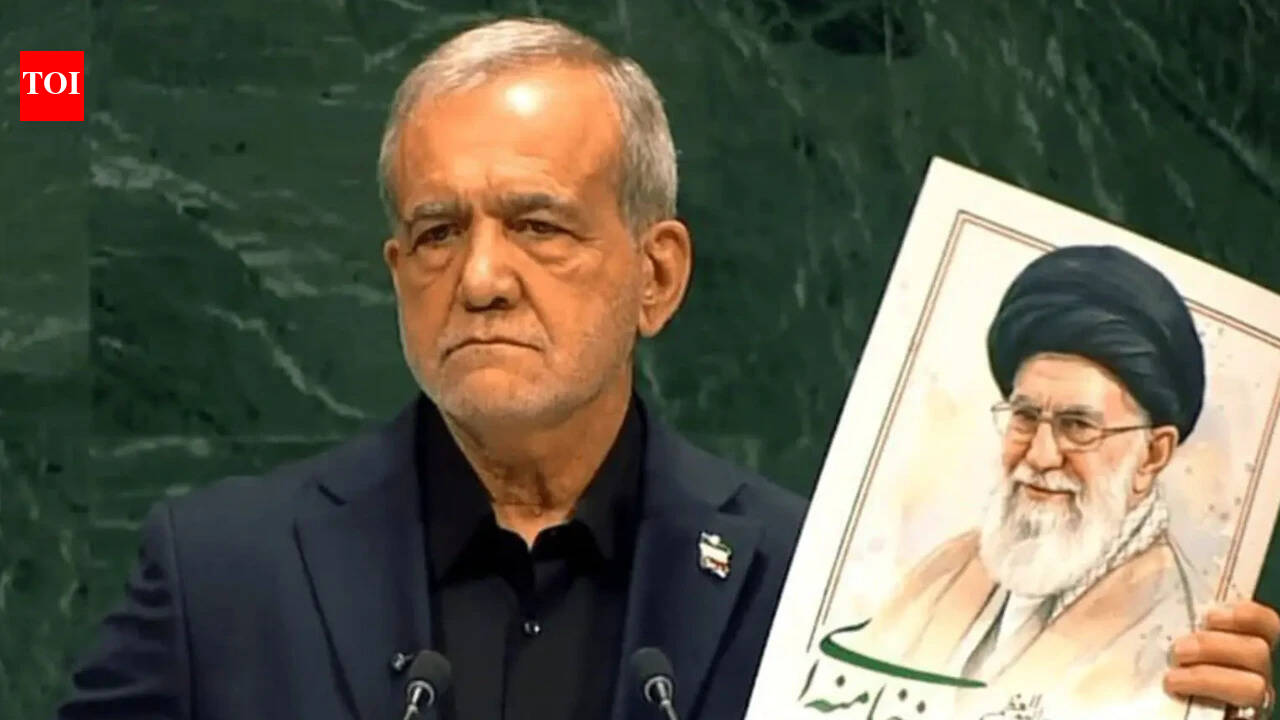
Iranian President Denies Nuclear Ambitions Amid International Tensions
Iran’s President, Masoud Pezeshkian, has firmly denied any intentions of developing nuclear weapons, emphasizing the nation’s commitment to transparency regarding its nuclear activities. Speaking to Fox News during the United Nations General Assembly in New York, he stated Iran is open to international oversight and is prepared to take steps to reduce its stock of enriched uranium. Pezeshkian’s comments come at a crucial time when discussions surrounding Iran’s nuclear program and its compliance with international regulations remain a pressing global issue.
Commitment to Transparency
Pezeshkian highlighted Iran’s willingness to allow international inspectors to verify its nuclear program, reinforcing that the country’s activities are solely for peaceful purposes. “Not at all. Not at all,” he responded when questioned about nuclear weapon aspirations, insisting the program aligns with religious and ethical guidelines set by the nation’s leadership. The President noted that continuing dialogue and verification efforts are essential steps in fostering mutual understanding and trust. “We’re willing to dilute our enriched material. It’s not a big deal,” he added, expressing a readiness for international monitoring.
Concerns from the International Atomic Energy Agency (IAEA)
Despite Iran’s reassurances, the International Atomic Energy Agency has raised concerns regarding the country’s nuclear activities. The IAEA reported challenges in acquiring pertinent information about Iran’s declared nuclear material and facilities. As a result, the agency has struggled to fulfill its critical safeguards responsibilities effectively. In September, the IAEA Board of Governors escalated the situation by referring Iran’s nuclear non-compliance to the United Nations Security Council, signaling a significant increase in scrutiny.
Blame on U.S. Actions and Policies
In his remarks, Pezeshkian placed some of the responsibility for escalating tensions on the United States, accusing it of opting for military interventions over diplomatic negotiations. “The problem is that America, instead of conducting dialogue, they descend into the arena by bombing us first,” he stated, emphasizing that Iran’s military responses have always been defensive, not offensive. He reiterated that Tehran is not interested in prolonging conflict, suggesting that peace and cooperation are what the nation ultimately desires.
The Broader Context of U.S.-Iran Relations
The longstanding tensions between the U.S. and Iran center around nuclear proliferation and geopolitical dynamics. Former President Donald Trump made it clear that preventing Iran from acquiring nuclear weapons was a core objective of his administration. Trump suggested that dialogue between the two nations was ongoing, expressing optimism about a potential settlement. However, he firmly stated that Tehran must not be allowed to develop a nuclear arsenal, leaving many observers skeptical about the future of negotiations.
In summary, while Iran continues to assert its position against nuclear weapon development, the atmosphere surrounding its nuclear program is fraught with complexity. As tensions escalate and the IAEA pursues clarity on Iran’s activities, the path forward remains uncertain. The interplay of diplomatic negotiations, international oversight, and national security interests could determine the future stability of both regional and global landscapes.