
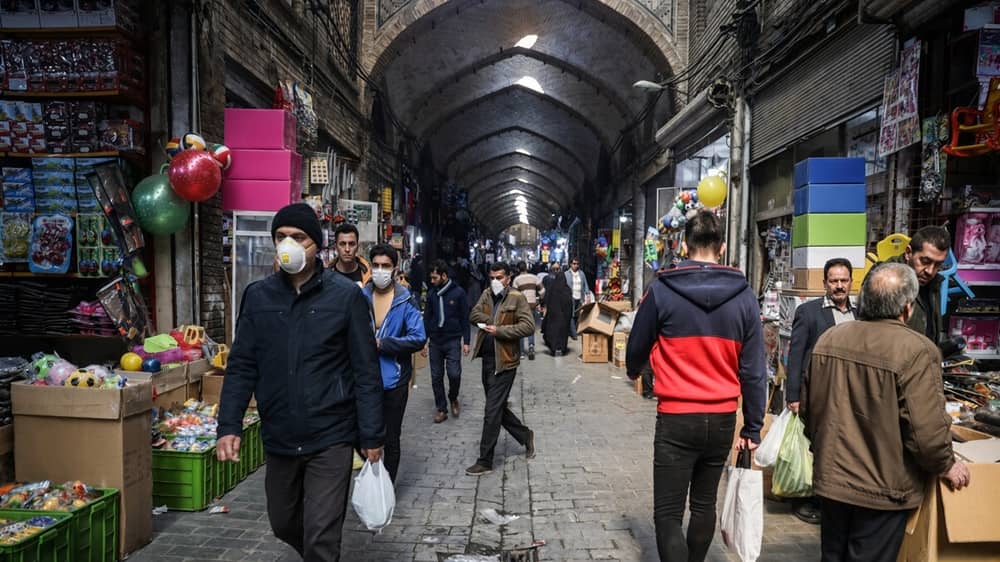
In recent days, Iran has been engulfed in a new wave of protests as retirees express their frustration over deteriorating economic conditions. On October 4, 2026, demonstrations erupted in cities like Kermanshah, Rasht, Ahvaz, Shush, and Isfahan, marking a significant moment in the ongoing struggle for social justice. As the national currency continues to plummet in value, affecting the everyday lives of citizens, tensions have escalated, leading to demands for political change alongside economic reform.
Growing Discontent Among Retirees
The protests highlight the intersection of economic distress and political exigencies, as retirees voiced both livelihood concerns and political grievances. Demonstrators in Kermanshah demanded the freedom of political prisoners while expressing their desire for sustained welfare. In Ahvaz, marchers criticized the government’s unfulfilled promises, stating that their tables are bare and calling for the release of imprisoned workers and teachers. The slogans during these gatherings exemplify a shift in public sentiment; protesters are increasingly directing their frustrations at internal institutions rather than external adversaries, thereby challenging the government’s narrative.
University Students Join the Fray
Amid the retiree protests, university students in Tehran have also mobilized, staging a sit-in at Khajeh Nasir University to stand against recent disciplinary actions taken against their peers. Reports indicate that students have faced severe consequences, including lengthy suspensions and even expulsions connected to prior protests. This resurgence of student activism reflects a broader discontent with systemic oppression and highlights the interconnectedness of issues faced by various demographics in the country. The government’s crackdown on academic freedom is being met with resilience and resistance from students committed to advocacy and change.
A Nursing Crisis Amid Economic Decline
The healthcare sector has not been spared in this turmoil, as reported resignations of nurses reveal systemic failures in maintaining an adequate workforce. Mohammad Sharifi-Moghaddam, the secretary-general of Iran’s Nurses House, revealed that approximately 70,000 qualified nurses are currently not part of the workforce, largely due to inadequate pay, which has dwindled to a mere $100 monthly at current exchange rates. These alarming statistics signal a crisis in healthcare services, affecting patient care and revealing the broader dysfunction within the economy as living costs continue to skyrocket, further exacerbating the plight of healthcare professionals.
The Oil Minister’s Resignation and Looming Energy Crises
Recent political upheaval has added to the volatile situation, highlighted by the sudden resignation of Oil Minister Mohsen Paknejad amidst an ongoing backlash from declining oil revenues and rising energy shortages. His departure coincided with urgent warnings from energy officials about potential winter blackouts, linking the electricity crisis to gas shortages that predate recent geopolitical conflicts. This instability in the oil sector, compounded by falling sales and management disputes, raises pressing concerns about the economic sustainability of the country as a whole.
As the protests unfold, the socio-economic implications grow clearer. Iranians are witnessing a disintegration of the social contract that has historically bound them to the state. The inability of work to provide basic subsistence and the failure of pensions to guarantee security in old age reflect deeper systemic issues. The generational divide is increasingly evident, as younger citizens observe older generations struggling under the weight of these failures. Amid rising economic hardship, it appears that many are beginning to believe that meaningful change can only come with a fundamental shift in governance and policy.