
Iran’s Revolutionary Guards have made headlines with their alarming declarations regarding potential threats to undersea internet cables located in the Strait of Hormuz. This statement has ignited discussions surrounding the significance and practicality of such an act, especially considering the limited impact it would have on global internet connectivity.
The Geopolitical Importance of the Strait of Hormuz
The Strait of Hormuz is a strategically significant waterway that connects the Persian Gulf to the Arabian Sea. It serves as a crucial artery for oil and gas shipments, with approximately one-fifth of the world’s oil supply passing through its waters. While it plays a vital role in energy transport, it is essential to understand that the underwater cables within this region are not the only conduits supporting internet traffic on a global scale.
Although the Revolutionary Guards perceive these cables as potential targets, disrupting them would not result in a total internet blackout. Instead, these cables facilitate a small portion of the internet’s bandwidth. With a vast network of alternative pathways and cables spanning across the oceans, the world’s digital infrastructure is built to withstand localized interruptions.
Understanding Undersea Internet Infrastructure
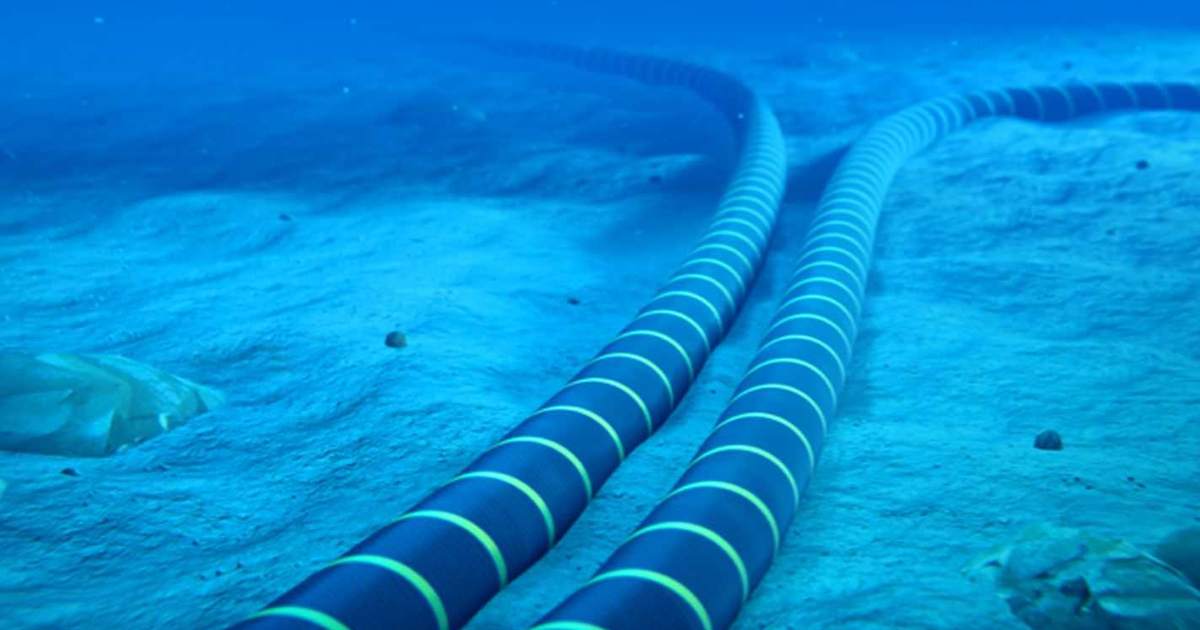
Undersea internet cables are critical for global communications, connecting continents and enabling data exchange at lightning speeds. However, the resilience of this network means that even if certain cables were damaged, traffic could be rerouted through other routes. The array of backup systems provides a layer of security that mitigates the risks associated with targeted attacks on specific cables.
Therefore, while targeting these undersea cables might be a strategic move for the Revolutionary Guards, the feasibility and practicality of such an endeavor remain questionable. The repercussions of damaging these cables could prompt international condemnation and retaliation, placing Iran in a precarious situation on the world stage.
The Global Response and Implications
Internationally, any threats to critical infrastructure, such as internet cables, often elicit swift responses from multiple nations. Such provocations could spark discussions around cybersecurity, international law, and maritime security. Furthermore, the world’s reliance on internet connectivity means that any action perceived as endangering this fabric could lead to heightened tensions in the region.
The potential fallout from targeting undersea cables may also push countries to improve their defenses against cyber threats and physical attacks on critical infrastructure. The global community has become increasingly aware of the interconnectedness of our digital and physical worlds, making it imperative to adopt multi-faceted approaches to security.
In conclusion, while the Revolutionary Guards’ threats against undersea internet cables in the Strait of Hormuz capture attention, they primarily highlight geopolitical tensions rather than present a realistic threat to global internet functionality. The existing resilience of the global internet infrastructure indicates that even with localized disruptions, the larger system remains robust and ensures that communication continues seamlessly.