
Stock futures showed a strong rebound on Sunday night following a de-escalation in hostilities between the U.S. and Iran. After a tense weekend filled with potential conflict in the Persian Gulf, markets responded positively, indicating some relief among investors.
Market Response to the Geopolitical Situation
Futures linked to the Dow Jones industrial average increased by 101 points, marking a 0.19% rise. The S&P 500 futures rose by 0.45%, while Nasdaq futures saw an increase of 0.64%. This upturn in stock futures comes after fears surrounding the Strait of Hormuz, a crucial artery for global oil shipments, were temporarily alleviated. However, energy market investors remained jittery due to ongoing concerns about security in the region.
U.S. oil futures climbed 1.5% to reach $70.29 a barrel, and Brent crude oil also saw gains, rising 1.1% to $72.80. The volatility reflects the delicate balance of geopolitical issues impacting global oil prices, particularly as military tensions pose risks to maritime routes vital for international trade.
Recent Developments in Iran-U.S. Relations
Sources reported that both the U.S. and Iran have agreed to cease hostilities and will convene in Qatar on Tuesday for discussions aimed at resolving disagreements over the Strait of Hormuz. Just days prior, Iran had launched attacks on Kuwait and Bahrain, threatening to derail ongoing peace talks. These actions were a continuation of reciprocal assaults that followed U.S. airstrikes targeting Iranian drone operations against commercial shipping.
The backdrop of the recent tensions comes as Iran pursues efforts to assert its influence over the Strait of Hormuz, which is vital for oil transportation. The U.S. has taken protective measures to ensure alternate shipping routes remain open, as reported by outlets like Fortune. Nonetheless, analysts highlight that the current scenario risks entangling both nations in a broader conflict, creating an escalating situation that is challenging to navigate.
President Trump’s Stance and U.S. Military Strategy
President Trump criticized Iran for violating a recent ceasefire and responded with strong rhetoric, emphasizing that the U.S. would not hesitate to take military action if provoked. His statements suggest an ongoing commitment to a robust U.S. military presence in the region, underscoring the stakes involved in the Strait of Hormuz, where a significant volume of global oil traffic passes.
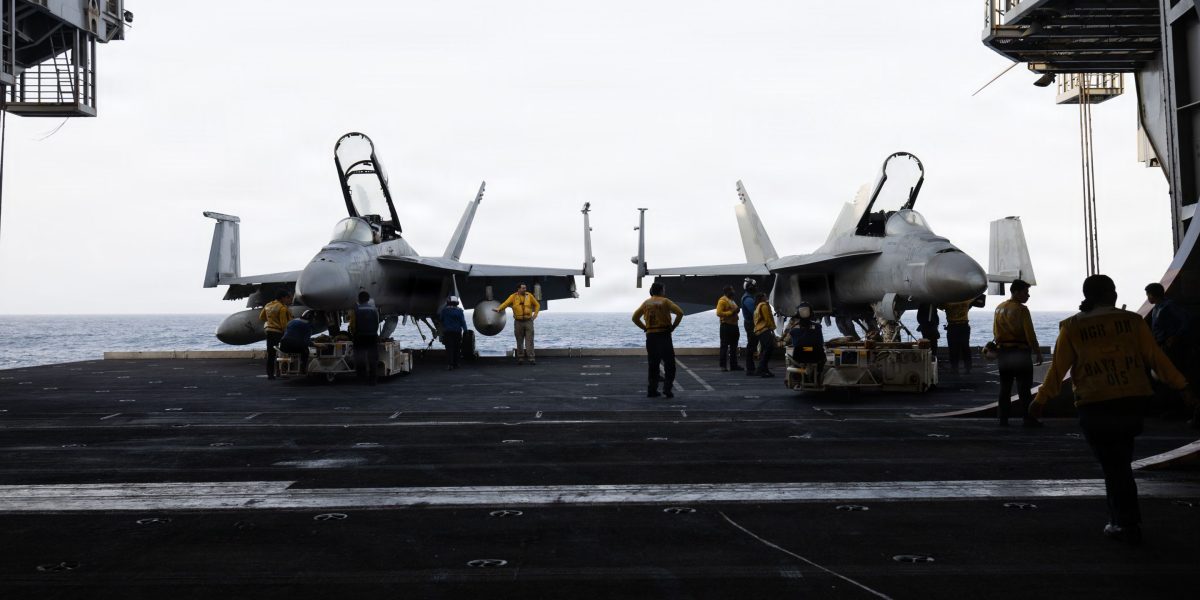
The U.S. Navy has been visibly active, escorting tankers through the strait while keeping their transponders operational as a show of security. However, the Iranian government remains firm in its stance regarding control over the waterway. Tehran has implemented governmental measures aimed at bolstering its authority, including the establishment of the Persian Gulf Strait Authority and the claim that only Iran can manage maritime traffic in the area.
Investor Outlook Amid Tensions
As tensions in the Middle East persist, investors are bracing for a mixed trading environment in the upcoming holiday-shortened week. With the Fourth of July holiday approaching, market participants are keenly awaiting the Labor Department’s report on job growth, which is expected to reflect a slowdown with predictions of 118,000 new jobs added in June. This figure is less than May’s gain of 172,000, indicating potential slowdowns in the job market.
Amid such uncertainty, Wall Street appears cautiously optimistic about a potential rebound in tech stocks, which experienced significant sell-offs in the previous week. As the situation evolves, monitoring the geopolitical landscape will be crucial for investors seeking to navigate the complexities of the stock market while safeguarding their investments against unforeseen global developments.